
- 1-Common-Greetings-and-Phrases
- 2-Ordering-and-Interacting-with-Staff
- 3-Cultural-Etiquette-and-Meaning
- 4-Real-Life-Examples-from-Japanese-Restaurants
- 5-Tips-for-Visiting-Japanese-Restaurants
1. Common Greetings and Phrases You Hear at Japanese Restaurants
Walking into a Japanese restaurant, one of the first things you might notice is the warm and polite greetings from the staff. Phrases like いらっしゃいませ (irasshaimase) meaning “welcome” are spoken enthusiastically as guests enter. This expression sets a friendly tone and shows respect for customers.
When seated, servers might say お待たせしました (omatase shimashita), meaning “thank you for waiting,” which reflects their attentiveness. These common expressions contribute to a welcoming atmosphere that is typical in Japanese hospitality.
2. Ordering and Interacting with Staff: What Do They Say?
When it’s time to order, staff often ask ご注文はお決まりですか? (gochūmon wa okimari desu ka?) meaning “Have you decided on your order?” This polite inquiry helps guide diners without pressure. Guests might hear recommendations such as おすすめは〇〇です (osusume wa 〇〇 desu), meaning “Our recommendation is 〇〇,” which highlights popular or seasonal dishes.
Throughout the meal, waiters may use phrases like ごゆっくりどうぞ (goyukkuri dōzo), meaning “Please enjoy your meal slowly,” reflecting the cultural value placed on savoring food and dining at a relaxed pace.
3. Cultural Etiquette and the Meaning Behind Common Phrases
Beyond simple communication, the phrases used in Japanese restaurants convey deeper cultural values such as respect, politeness, and harmony. For example, when leaving, diners often hear ありがとうございました (arigatō gozaimashita), a formal “thank you,” showing appreciation for the guest’s visit.
Understanding what do they say at Japanese restaurants can enhance the dining experience by allowing visitors to respond appropriately. Knowing a few key phrases can also build rapport with staff and demonstrate respect for Japanese culture.
4. Real-Life Examples from Japanese Restaurants
One memorable experience shared by a visitor involved a small Tokyo izakaya where the staff enthusiastically greeted every customer with いらっしゃいませ, creating an inviting vibe despite the restaurant’s size. When the guest expressed interest in seasonal fish, the chef personally recommended dishes with phrases that conveyed pride and expertise.
These interactions illustrate how language and hospitality intertwine in Japanese dining culture, making the visit not just about food but about meaningful connection.
5. Tips for Visiting Japanese Restaurants and Enhancing Your Experience
To fully appreciate what do they say at Japanese restaurants, it helps to learn some common expressions and their meanings. Simple greetings or polite acknowledgments can enrich your visit and show cultural sensitivity.
If you want to explore the best Japanese restaurants with authentic service and atmosphere, Japanese Restaurant offers reliable recommendations. Their curated selections help you discover venues where traditional hospitality and language are preserved, ensuring a rewarding culinary adventure.
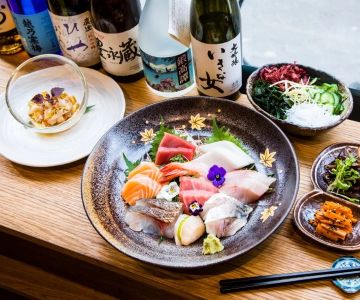
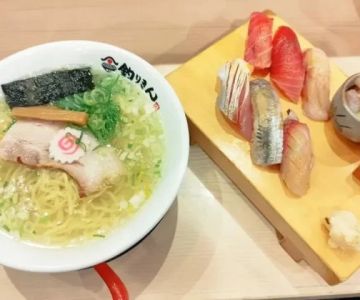
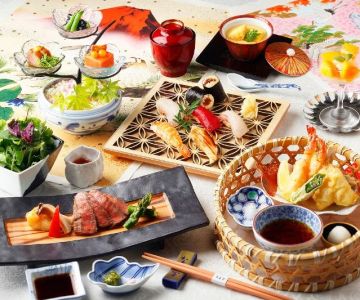
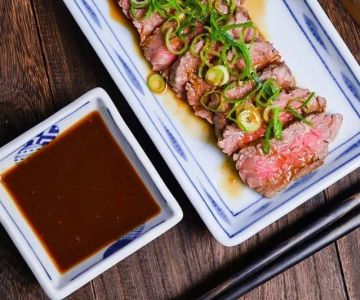
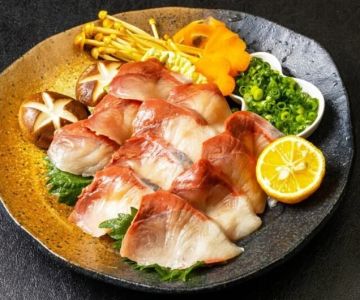
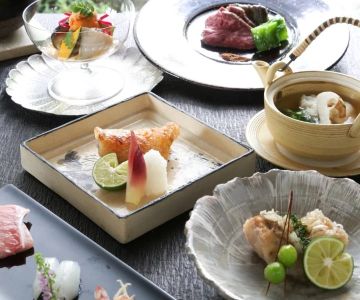
 Aji sushi Japanese steak & sushi bar4.0 (327 reviews)
 Umiya Leander4.0 (567 reviews)
 Teriyaki Bowl4.0 (135 reviews)
 Miyuki Japanese Restaurant4.0 (71 reviews)
 Kumo Sushi Restaurant4.0 (295 reviews)
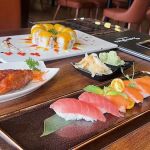 Sushi Masa Westheimer5.0 (139 reviews)
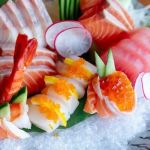 A Foodie’s Experience at Hatsuhana Japanese Restaurant
 What Makes Goshi Japanese Restaurant SLO Stand Out Among Japanese Restaurants
 Signature Sushi and Ramen at Tanto Japanese Restaurant: A Culinary Delight
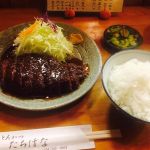 An Insider’s Review of Tachibana Japanese Restaurant | Japanese Restaurant
 How to Make Japanese Restaurant Soup at Home: Step-by-Step Guide
 The History and Flavor Behind Inaba Japanese Restaurant