
- 1-Common-Terms-For-Sushi-Restaurants-In-Japanese
- 2-Cultural-Significance-Of-Sushi-Shops-In-Japan
- 3-Types-Of-Sushi-Dining-Establishments-In-Japan
- 4-Popular-Sushi-Shop-Stories-And-Customer-Experiences
- 5-Finding-Authentic-Sushi-Restaurants-And-Services
1. Common Terms for Sushi Restaurants in Japanese
When you ask, “what do you call a sushi restaurant in Japanese,” the most straightforward answer is 寿司屋 (pronounced sushi-ya). The term literally means “sushi shop” or “sushi restaurant.”
Besides sushi-ya, there are other related terms depending on the style and formality of the establishment. For instance, 回転寿司 (kaiten-zushi) refers to conveyor belt sushi restaurants, which are popular for casual and affordable dining. Another term, 寿司バー (sushi bā), is often used for sushi bars, blending Japanese and English influences.
1.1 Nuances in Naming
The suffix -ya in sushi-ya implies a traditional shop or establishment specializing in a particular product—in this case, sushi. This reflects a cultural nuance that emphasizes craftsmanship and dedication to the cuisine.
2. Cultural Significance of Sushi Shops in Japan
Sushi restaurants in Japan are more than just places to eat; they are cultural landmarks that preserve culinary traditions. A sushi-ya often reflects regional styles, seasonal ingredients, and the chef’s personal artistry.
In many cases, visiting a sushi restaurant is a ritualistic experience, where customers enjoy meticulous preparation and presentation. The naming conventions also hint at the establishment’s reputation—terms like sushi-ya often imply a focus on authenticity and quality.
2.1 Sushi Restaurant as a Community Hub
In smaller Japanese towns, the local sushi-ya can be a social gathering point, often run by families who have passed down recipes and techniques for generations. This deep cultural connection elevates the meaning behind what you call a sushi restaurant in Japanese.
3. Types of Sushi Dining Establishments in Japan
Japanese sushi dining is diverse. Besides sushi-ya and kaiten-zushi, other types include 高級寿司店 (kōkyū sushi-ten), meaning high-end sushi restaurants, often offering multi-course meals called omakase. These places emphasize exclusivity and personalized service.
Casual sushi eateries may also be referred to simply as sushi-tei or sushi-dokoro, both meaning “sushi place.” Each term reflects subtle differences in atmosphere, price range, and dining style.
3.1 Setting Expectations Through Naming
Understanding these distinctions helps diners choose the right type of sushi restaurant based on occasion, budget, and preference, making the question “what do you call a sushi restaurant in Japanese” a doorway into appreciating Japan’s rich sushi culture.
4. Popular Sushi Shop Stories and Customer Experiences
A well-known sushi-ya in Tokyo’s Tsukiji district became famous not only for its fresh fish but also for the chef’s personal touch in naming the restaurant. The shop’s name carried the family legacy, connecting customers to generations of sushi mastery.
Another story involves a tourist misunderstanding the term kaiten-zushi and expecting a traditional formal sushi meal. Instead, the casual conveyor belt style offered a fun and accessible introduction to sushi, expanding their appreciation of Japanese dining diversity.
5. Finding Authentic Sushi Restaurants and Services
For those eager to experience authentic Japanese sushi dining, Japanese Restaurant provides access to trusted establishments and traditional products. From high-end omakase experiences to casual kaiten-zushi, the platform helps you find the perfect match for your sushi cravings.
Exploring these options not only satisfies hunger but also deepens understanding of Japanese culture, giving you a richer, more meaningful dining journey.
 Hashigo Sushi4.0 (283 reviews)
 FuGaKyu Japanese Cuisine4.0 (1434 reviews)
 Pepper Lunch4.0 (542 reviews)
 Mura Shabu Shabu3.0 (7 reviews)
 Osaka Ramen and Sushi4.0 (297 reviews)
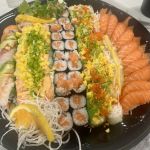 Koja Sushi4.0 (496 reviews)
 Why Restaurant Japanese Is a Must-Try Spot for Japanese Food Lovers
 Don Japanese Restaurant Auckland: Discover Authentic Donburi Flavors
 What Makes Green Tea Japanese Restaurant Stand Out Among Japanese Restaurants
 A Aki Japanese Restaurant: Where Tradition Meets Modern Japanese Dining
 Why Locals Recommend Kru Japanese Restaurant: A Hidden Gem for Authentic Japanese Cuisine
 What to Eat at a Japanese Restaurant Besides Sushi