
- 1 - Overview of Japanese Family Restaurants
- 3 - Ambiance and Family-Friendly Features
- 4 - Real-Life Examples and Customer Experiences
- 5 - How to Find the Best Japanese Family Restaurants
1. Overview of Japanese Family Restaurants
When exploring Japanese cuisine, one common question is what does one normally find in a Japanese family restaurant? These establishments are designed to be casual, welcoming places where families of all ages can enjoy a meal together. Unlike specialized sushi bars or high-end kaiseki restaurants, family restaurants offer a broad, approachable menu that caters to diverse tastes and dietary needs.
Japanese family restaurants blend convenience with traditional flavors, often serving as neighborhood hubs where locals gather for everyday meals or celebrations.
2. Typical Menu Items and Food Variety
One of the defining features of Japanese family restaurants is their extensive and varied menu. Patrons can expect to find:
- Set meals (teishoku): Balanced plates including rice, miso soup, a main protein like grilled fish or fried chicken, and pickled vegetables.
- Soba and Udon noodles: Served hot or cold, often with tempura or a variety of toppings.
- Curry rice: A popular comfort food, usually mild and kid-friendly.
- Donburi dishes: Rice bowls topped with beef (gyudon), chicken and egg (oyakodon), or tempura.
- Western-inspired items: Such as hamburg steak, pasta, and salads, reflecting Japan’s fusion dining culture.
This menu diversity ensures that even picky eaters or children can find something enjoyable, making family restaurants truly inclusive.
3. Ambiance and Family-Friendly Features
Japanese family restaurants focus heavily on creating a comfortable, relaxed atmosphere. The interiors are often brightly lit with ample seating and sometimes private booths for families who prefer privacy. Kids’ menus, coloring sheets, and occasional play areas are common features that make dining out stress-free for parents.
Additionally, many family restaurants are open late and offer affordable pricing, making them ideal for casual dinners or weekend outings.
4. Real-Life Examples and Customer Experiences
A well-known chain like Saizeriya offers a great example of what one normally finds in a Japanese family restaurant: affordable, diverse menus and a friendly environment. Families often share stories of returning regularly because the restaurant balances quality with convenience.
One customer recounted how their children loved the fun drinks and desserts, while adults appreciated the hearty rice and noodle dishes. Such feedback highlights the successful blend of variety and comfort that defines family restaurants.
5. How to Find the Best Japanese Family Restaurants
If you want to explore authentic Japanese family dining, visiting resources like Japanese Restaurant can help you find top-rated family-friendly establishments near you. These platforms offer detailed menus, customer reviews, and insider tips, ensuring a pleasant and satisfying experience for your next family outing.
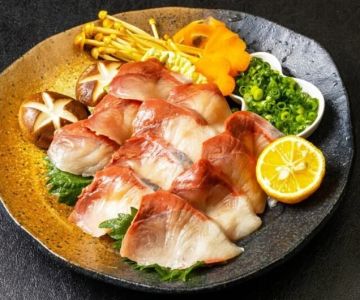
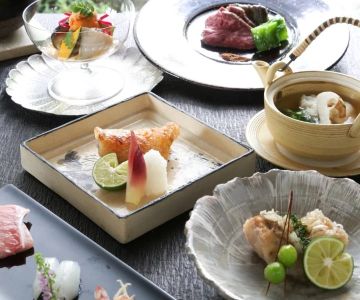
 Hashigo Sushi4.0 (283 reviews)
 FuGaKyu Japanese Cuisine4.0 (1434 reviews)
 Pepper Lunch4.0 (542 reviews)
 Mura Shabu Shabu3.0 (7 reviews)
 Osaka Ramen and Sushi4.0 (297 reviews)
 Koja Sushi4.0 (496 reviews)
 Why Restaurant Japanese Is a Must-Try Spot for Japanese Food Lovers
 Don Japanese Restaurant Auckland: Discover Authentic Donburi Flavors
 What Makes Green Tea Japanese Restaurant Stand Out Among Japanese Restaurants
 A Aki Japanese Restaurant: Where Tradition Meets Modern Japanese Dining
 Why Locals Recommend Kru Japanese Restaurant: A Hidden Gem for Authentic Japanese Cuisine
 What to Eat at a Japanese Restaurant Besides Sushi