
- origin-and-cultural-significance-of-the-bento-box
- components-and-structure-of-a-traditional-japanese-bento
- modern-variations-of-bento-boxes-at-japanese-restaurants
- why-bento-boxes-are-popular-in-japanese-restaurants
- real-experiences-and-how-to-choose-the-best-bento
1. Origin and Cultural Significance of the Bento Box
When someone asks, what is a bento box at a Japanese restaurant, the answer begins in Japanese history. The concept of the bento box dates back over 1,000 years. It began as a portable meal for travelers and farmers, often packed in bamboo or wooden containers. Over time, the bento evolved into a refined cultural symbol representing balance, care, and aesthetics.
1.1 A Reflection of Japanese Philosophy
The bento is more than just lunch—it's a carefully arranged assortment of foods, often reflecting the idea of “washoku” (harmony of food). Each element—color, texture, and flavor—is chosen to complement the others, creating a holistic eating experience rooted in mindfulness and presentation.
1.2 The Bento in Everyday Life
From school lunches to office meals, the bento is deeply ingrained in Japanese daily life. Even today, parents prepare “kyaraben” (character bentos) for children, turning rice and vegetables into animated figures. Restaurants have adopted this tradition, serving bento boxes that mirror this sense of thoughtful composition.
2. Components and Structure of a Traditional Japanese Bento
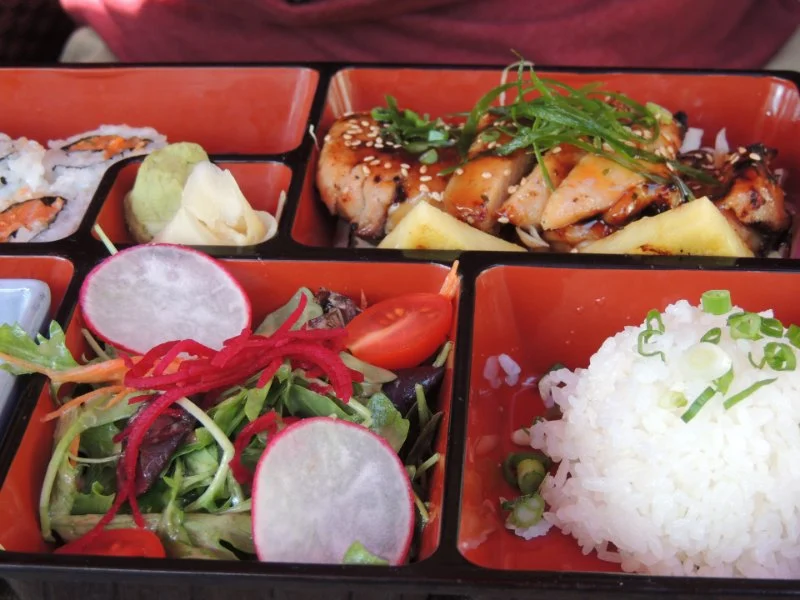
At its core, a traditional Japanese bento includes five essential elements—each carefully portioned and placed. These ingredients form the foundation of what you’ll find at any authentic Japanese restaurant offering bento meals.
2.1 Rice or Noodles as a Base
A staple such as steamed white rice, sushi rice, or sometimes cold soba noodles forms the base. The rice is often topped with sesame seeds, pickled plum (umeboshi), or a sprinkle of furikake seasoning.
2.2 Protein Component
Grilled salmon (sake), teriyaki chicken, karaage (fried chicken), tofu, or beef are common. Japanese restaurants usually offer multiple protein options, making bentos highly customizable.
2.3 Side Dishes (Okazu)
These include tamagoyaki (Japanese omelet), simmered vegetables, or seaweed salad. The side dishes add color and flavor variety, enhancing the balance of the meal.
2.4 Pickled and Fermented Foods
Pickles like tsukemono or takuan are included for digestive benefits and to cleanse the palate. They offer a tangy contrast to the other flavors in the box.
2.5 Seasonal or Aesthetic Touches
Edible garnishes, seasonal fruits, or creative arrangements are often used. This is especially common in high-end or ceremonial bento boxes, but even casual options strive for visual appeal.
3. Modern Variations of Bento Boxes at Japanese Restaurants
While rooted in tradition, the bento box has evolved to suit modern dining habits, especially in international markets like North America. Japanese restaurants now offer a range of contemporary options tailored to local preferences.
3.1 Fusion and Customization
Many restaurants include California rolls, tempura shrimp, or even western-style items like grilled chicken or mixed greens in their bento offerings. These fusion bentos are designed to introduce Japanese cuisine to newcomers in a familiar format.
3.2 Vegetarian and Vegan Bento Options
Given the growing demand for plant-based meals, many establishments now craft bento boxes with tofu, grilled eggplant, edamame, and vegan miso soup. At Japanese Restaurant, a growing number of customers are opting for our miso-roasted sweet potato and black rice bento—both nutritious and visually stunning.
3.3 Bento for Takeout and Meal Prep
Bento-style meals are increasingly popular for takeout or delivery, thanks to their organized structure and portion control. The compartments keep items fresh and prevent mixing, making them ideal for busy office workers and students.
4. Why Bento Boxes Are Popular in Japanese Restaurants
The enduring popularity of bento boxes in Japanese restaurants comes down to three main factors: balance, variety, and presentation. For diners unfamiliar with Japanese cuisine, a bento offers a little of everything without the pressure of ordering multiple dishes.
4.1 A Balanced Meal in One Box
From protein and carbs to vegetables and pickles, a bento offers nutritional variety in a single, compact serving. It's an appealing choice for health-conscious customers and foodies alike.
4.2 Ideal for First-Time Guests
Bentos are an excellent entry point into Japanese food. Rather than committing to just sushi or ramen, a bento allows new diners to sample several dishes. At Japanese Restaurant, we often recommend the bento box to guests exploring Japanese cuisine for the first time.
4.3 Aesthetic Satisfaction
The visual composition of a bento—colors, layers, and compartments—adds to the overall enjoyment. In a social media age, beautifully arranged bento boxes often become photo-worthy meals, sparking curiosity and cravings.
5. Real Experiences and How to Choose the Best Bento
Choosing the right bento box depends on your appetite, dietary needs, and sense of adventure. Here are some real-world insights from diners who’ve made bento boxes a regular part of their restaurant visits.
5.1 Sarah’s First Visit to a Japanese Restaurant
Unsure of what to order, Sarah opted for a teriyaki chicken bento box. She was delighted to discover miso soup, salad, tempura, and fruit—all in one tray. “It felt like a tasting menu,” she shared, “and I didn’t feel overwhelmed by the menu choices.”
5.2 Bento as a Healthy Lunch Alternative
David, a regular customer at Japanese Restaurant, chooses bento for its portion control and clean ingredients. “It’s my favorite takeout lunch—better than a sandwich or greasy combo meal,” he says.
5.3 Recommendations from Our Team
If you're new to bento, start with a classic option like grilled salmon or chicken karaage. Looking for something lighter? Try a vegetarian or sushi-focused bento. And for something special, ask our team at Japanese Restaurant about seasonal bento creations, which often highlight fresh, local ingredients.
 Oishi Bay4.0 (172 reviews)
 Koto Sushi4.0 (67 reviews)
 Kawa Sushi4.0 (227 reviews)
 Lava Asian Grill4.0 (684 reviews)
 Samurai Kitchen4.0 (140 reviews)
 Bluefin Sushi4.0 (551 reviews)
 The History and Flavor Behind Hayashi Japanese Restaurant | Authentic Dining Experience
 Why Locals Recommend Domo Japanese Restaurant – Authentic Dining Experience in the US
 Why Locals Recommend Izumi Japanese Restaurant
 What Should Japanese Style Restaurants Look Like – Aesthetic and Design Guide
 Exploring the Menu at Umi Japanese Restaurant
 Where Is a Full Size Miyabi Japanese Restaurant Located?