
- 1-common-terms-for-japanese-restaurants
- 2-various-types-of-japanese-restaurants
- 3-cultural-significance-of-japanese-restaurant-names
- 4-real-life-stories-about-japanese-restaurant-experiences
- 5-tips-for-exploring-authentic-japanese-dining
1. Common Terms for Japanese Restaurants
When asking what is a Japanese restaurant called, the most straightforward term is 「和食店」(washokuten), which means a traditional Japanese cuisine restaurant. However, depending on the specialty, there are more specific names such as:
1.1 Sushi-ya (寿司屋)
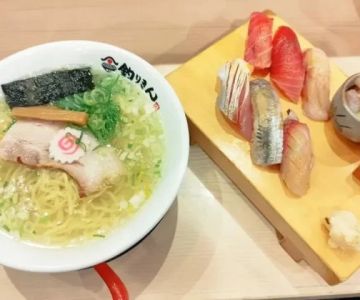
Refers to sushi restaurants, which range from casual conveyor belt sushi places to high-end sushi bars where chefs prepare pieces individually.
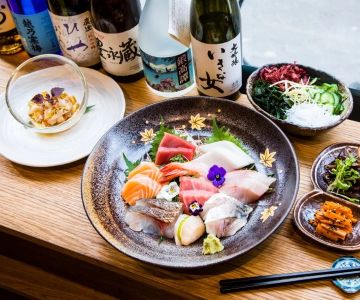
1.2 Izakaya (居酒屋)
Izakayas are Japanese-style pubs offering a variety of small dishes and drinks in a lively atmosphere, perfect for casual dining and socializing.
1.3 Ramen-ya (ラーメン屋)
Specialized ramen shops focused on various noodle soups, often casual and fast-paced dining spots.
2. Various Types of Japanese Restaurants
Japanese restaurants vary widely by cuisine style, atmosphere, and regional influences. Understanding these helps when exploring Japanese dining.
2.1 Kaiseki Ryori (懐石料理)
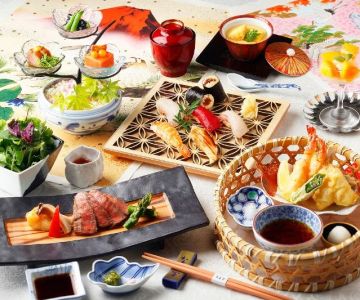
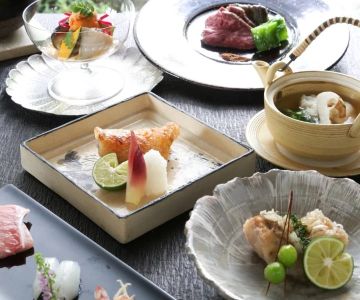
Kaiseki restaurants serve multi-course meals with seasonal and artistic presentation, reflecting Japan’s refined culinary traditions.
2.2 Yakiniku (焼肉)
These are Japanese BBQ restaurants where diners grill meats at their tables, often accompanied by dipping sauces and sides.
2.3 Shabu-shabu and Sukiyaki Restaurants
Specializing in hot pot dishes where diners cook thin slices of meat and vegetables in broth or sauce at the table.
3. Cultural Significance of Japanese Restaurant Names
Names of Japanese restaurants often reflect their heritage, location, or specialty. For example, a sushi-ya might include words suggesting freshness or the chef’s family name, conveying trust and authenticity.
3.1 Emphasis on Tradition and Quality
Many establishments include 「本店」(honten) meaning “main store,” or 「老舗」(shinise) meaning “long-established,” emphasizing history and quality.
3.2 Regional Variations
Regional terms may also appear, highlighting local specialties and pride in regional ingredients or techniques.
4. Real-Life Stories About Japanese Restaurant Experiences
A traveler once shared their visit to a small sushi-ya in Osaka, where the chef personally welcomed guests and explained the origin of their restaurant’s name, linked to a family legacy of over 50 years. This personal touch made the dining experience unforgettable and deepened appreciation of Japanese hospitality.
Another story comes from an izakaya in Tokyo famous for its cozy atmosphere and handcrafted dishes, attracting both locals and tourists eager to experience authentic Japanese casual dining.
5. Tips for Exploring Authentic Japanese Dining
When seeking genuine Japanese restaurants, consider the following:
5.1 Learn Basic Terms
Familiarity with terms like sushi-ya, izakaya, and kaiseki helps you identify the type of dining experience you want.
5.2 Trust Local Recommendations
Locals often know hidden gems, so asking for recommendations can lead to memorable meals.
5.3 Use Trusted Resources
Platforms like Japanese Restaurant provide curated listings and product recommendations to help you find the most suitable establishments and services for authentic Japanese cuisine.
 Toshi's Teriyaki3.0 (148 reviews)
 Moshi Moshi Sushi & Izakaya4.0 (769 reviews)
 Aloha Sushi4.0 (38 reviews)
 WAKUDA Omakase Room & Bar3.0 (3 reviews)
 HINODEYA Ramen Japantown4.0 (2720 reviews)
 Oshiki Japan (Quail Springs Mall)3.0 (43 reviews)
 Is Japanese Restaurant Good for Celiac People? Tips for Dining Gluten-Free
 Why Taki Japanese Restaurant is a Must-Try Spot for Japanese Food Lovers
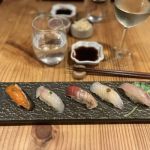 Exploring the Menu at Sasa Japanese Restaurant in the U.S.
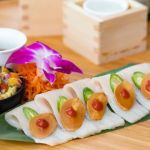 Why Locals Recommend Miyako Japanese Restaurant
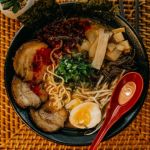 Signature Sushi and Ramen at Izumi Japanese Restaurant
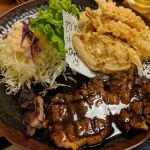 The Complete Guide to Dining at Azuma Japanese Restaurant in the USA