
- understanding-gluten-in-japanese-cuisine
- naturally-gluten-free-japanese-dishes
- hidden-gluten-ingredients-to-watch-for
- navigating-the-menu-at-a-japanese-restaurant
- real-stories-from-gluten-free-diners
1. Understanding Gluten in Japanese Cuisine
If you've ever wondered what is gluten free at Japanese restaurant menus, you're not alone. Japanese cuisine is often seen as fresh, balanced, and healthy—but for those avoiding gluten, it's not always straightforward. While dishes may appear naturally gluten-free, hidden ingredients like soy sauce, miso, or marinades often contain wheat, making it essential to dig deeper.
Gluten is commonly found in condiments and sauces rather than the core ingredients themselves. For example, tamari (a gluten-free soy sauce alternative) can be a game-changer, but it’s not always used by default. Understanding how gluten works its way into otherwise simple dishes is the first step in dining safely and deliciously.
2. Naturally Gluten-Free Japanese Dishes
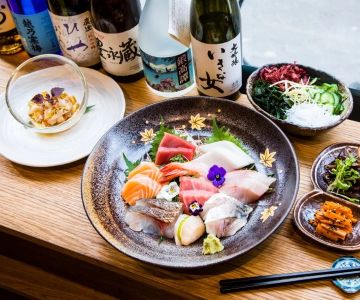
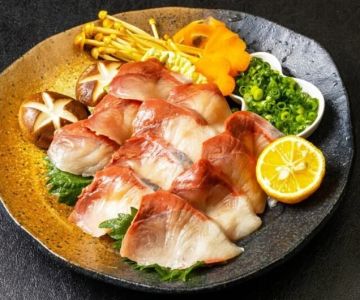
Fortunately, there are several dishes that are naturally gluten-free or can easily be made so with minimal adjustments. Fresh sashimi is one of the safest options—just raw fish and wasabi, no sauces to worry about. Grilled fish with salt (shioyaki), plain steamed rice, and edamame are also great picks.
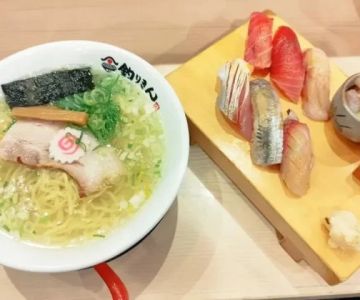
Rice-based dishes like onigiri (without soy sauce or seasoned fillings), and some types of chawanmushi (savory egg custard) can be gluten-free as well. Be cautious with ramen, udon, and soba, though—while soba is made from buckwheat, many varieties contain a blend of wheat flour. Always ask if it's 100% buckwheat soba (juwari soba) to be sure.
If you're looking for trustworthy recommendations and gluten-free options, Japanese Restaurant offers curated menus with allergy-safe options clearly labeled.
3. Hidden Gluten Ingredients to Watch For
Japanese food often looks simple, but hidden gluten can be lurking in sauces, marinades, and even seasonings. Soy sauce is the biggest culprit—it’s used in everything from dipping sauces to broths and dressings, and traditional versions almost always contain wheat.
Tempura batter is another one to avoid—it’s typically made with wheat flour and is used to coat everything from shrimp to vegetables. Miso can also be tricky. While some miso is made purely from fermented soybeans and rice, others include barley or wheat.
Even unexpected ingredients like imitation crab (surimi), pickles with added seasoning, and store-bought seaweed snacks might contain gluten. Always ask your server or request ingredient lists when in doubt.
4. Navigating the Menu with Confidence
Dining gluten-free at a Japanese restaurant doesn’t have to be stressful. Start by checking if the restaurant offers a gluten-free menu or uses gluten-free soy sauce (tamari). Many modern spots are aware of dietary needs and are happy to accommodate.
When in doubt, opt for grilled or steamed items over anything battered or marinated. Specify “no soy sauce” and ask for plain rice or tamagoyaki (Japanese omelet) without seasoning. Sushi rolls can be a safe choice too—just skip imitation crab and tempura fillings, and bring your own tamari if necessary.
Many diners have found peace of mind by frequenting places like Japanese Restaurant, where dietary restrictions are respected and transparency is part of the dining experience. Some even go the extra mile by sourcing gluten-free ingredients specifically for guests with allergies.
5. Real Stories from Gluten-Free Diners
Megan, a traveler from Seattle with celiac disease, shared her experience dining in Kyoto: “I carried a card explaining my gluten allergy in Japanese. One chef actually brought out the soy sauce bottle to show me the ingredients. He ended up using salt and lemon instead. It was the best grilled mackerel I’ve ever had.”
Another diner, Jordan from London, swears by one Tokyo spot that specializes in gluten-free ramen: “They made the noodles from rice flour, and even the broth was gluten-free. I didn’t think I’d ever enjoy ramen again—but this changed everything.”
Stories like these highlight that being gluten-free doesn’t mean missing out on Japanese cuisine. With the right knowledge, a little planning, and support from accommodating venues like Japanese Restaurant, dining out can be just as satisfying.
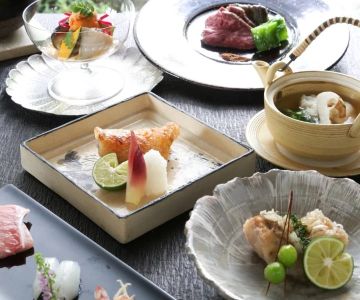
 Fuji Japanese Restaurant4.0 (226 reviews)
 Niko Niko Sushi4.0 (237 reviews)
 Miyabi Tei4.0 (67 reviews)
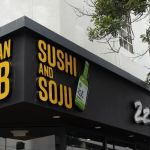 Zzan Sushi & Soju - Downtown4.0 (235 reviews)
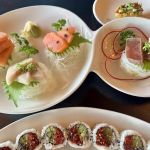 Sushi Mo4.0 (1228 reviews)
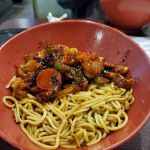 Golden Grill Mongolian & Japanese Cuisine4.0 (268 reviews)
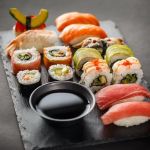 How Many Japanese Restaurants Are in America? A Look at U.S. Japanese Cuisine Growth
 Can You Eat Low Carb at a Japanese Restaurant?
 Why Nagomi Japanese Restaurant Is a Must-Try Spot for Japanese Food Lovers
 Why Locals Recommend Sarku Japanese Restaurant for Authentic Dining
 The Complete Guide to Dining at Taki Japanese Restaurant Dunwoody
 Why Wako Japanese Restaurant Is a Must-Try Spot for Japanese Food Lovers