
- what-is-japanese-restaurant-in-essence-and-function
- key-characteristics-that-define-a-japanese-restaurant
- types-of-japanese-restaurants-and-what-they-offer
- real-dining-stories-that-show-what-japanese-restaurant-means
- explore-authentic-dining-through-japanese-restaurant
1. What Is Japanese Restaurant in Essence and Function?
When someone asks, “What is Japanese restaurant?” they’re not just asking about a place that serves sushi. A Japanese restaurant represents a thoughtful combination of culinary tradition, cultural etiquette, and seasonal expression through food. It is a place where simplicity and precision come together — not only in what’s served but how it’s served.
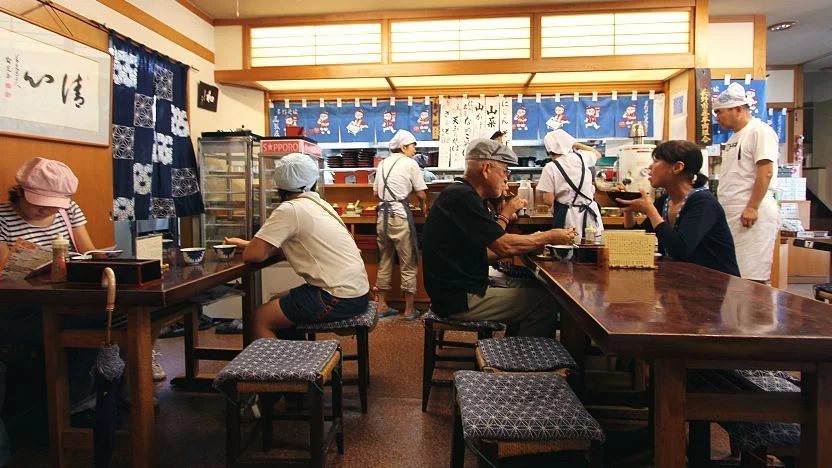
Whether you're dining at a humble ramen shop or a high-end kaiseki restaurant in Kyoto, the core values remain: harmony, seasonality (shun), and respect for ingredients. From table setup to chef interactions, every part of the experience reflects centuries of culinary philosophy rooted in Japanese life.
2. Key Characteristics That Define a Japanese Restaurant
2.1 Aesthetic minimalism and attention to detail
Japanese restaurants often embrace a minimalist interior design — natural wood, clean lines, seasonal decorations. The food presentation follows the same principle: beautifully plated dishes, each component carefully selected for color, texture, and balance.
2.2 Seasonal ingredients and subtle flavoring
Menus are rarely static. Ingredients change with the seasons. You’ll find cherry blossom-infused dishes in spring, grilled sweetfish in summer, matsutake mushrooms in autumn, and hot nabe stew in winter. Flavors tend to be clean, allowing the natural taste of ingredients to shine.
2.3 Respectful service and structured dining flow
Hospitality in a Japanese restaurant isn’t loud or flashy — it’s thoughtful. Staff will greet you with a bow and a warm "irasshaimase." Service is usually discreet, timed to your pace, and attentive without intrusion. In higher-end settings, each course is presented with an explanation of its meaning or seasonal significance.
3. Types of Japanese Restaurants and What They Offer
3.1 Sushi-ya (sushi restaurants)
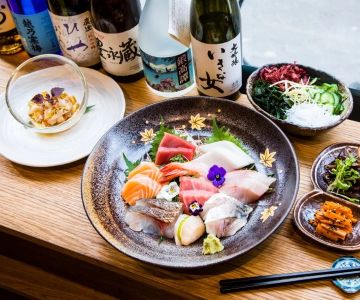
From conveyor belt sushi (kaiten-zushi) to intimate omakase counters, sushi-ya specialize in raw fish, vinegared rice, and knife work that borders on artistry. Expect interactions with the chef and a deep respect for freshness and origin.
3.2 Ramen-ya (noodle shops)
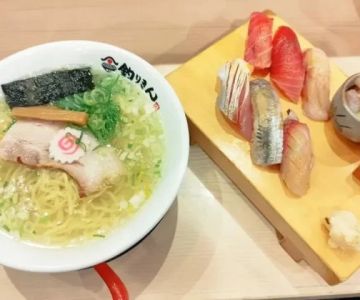
Focused on bowls of richly flavored broth and handmade noodles, ramen-ya are casual, fast-paced, and beloved by locals and tourists alike. They vary by region — from tonkotsu pork broth in Fukuoka to miso-based ramen in Hokkaido.
3.3 Izakaya (Japanese pubs)
Think of these as social spaces offering small plates, sake, and beer. Perfect for groups and late nights, izakayas serve everything from grilled skewers to pickled vegetables. Noise is welcome, conversation encouraged.
3.4 Kaiseki restaurants (fine dining)
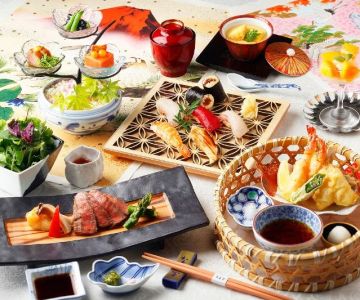
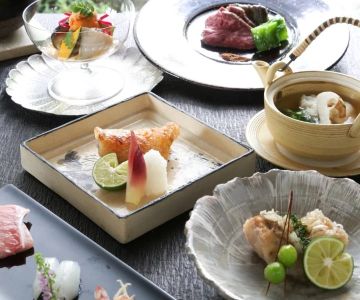
This is Japanese haute cuisine — multi-course meals built around seasonal ingredients, regional flavors, and aesthetic balance. Dining here is slow, meditative, and unforgettable.
3.5 Teppanyaki and yakitori grills
In teppanyaki restaurants, chefs cook meat and vegetables on a hot iron griddle right before your eyes. Yakitori shops focus on skewered chicken and often pair well with sake in a more casual setting.
4. Real Dining Stories That Show What “Japanese Restaurant” Means
4.1 A silent omakase in Shinjuku
I once dined at a 6-seat sushi bar in Shinjuku where the only sounds were soft jazz and the quiet slice of the chef’s knife. Each piece of nigiri was handed directly across the counter. No talking. Just nods, smiles, and flavor. It felt like stepping into a culinary temple. That, to me, redefined what a Japanese restaurant truly is — not just a place to eat, but a space to experience calm precision.
4.2 Comfort food in an Osaka ramen shop
Another time, after a cold evening exploring Osaka’s street markets, I ducked into a ramen shop with fogged-up windows. Inside, I was greeted by shouting cooks, slurping customers, and bowls of rich tonkotsu broth. It was loud, comforting, and felt like home. The contrast with the sushi bar was huge — yet both were unmistakably “Japanese restaurant.”
5. Explore Authentic Dining Through Japanese Restaurant
Still asking yourself what is Japanese restaurant? Let Japanese Restaurant help you go beyond definitions. Our platform guides you to places that honor the core of Japanese dining — whether you’re craving a perfectly cut sashimi, a hot bowl of udon, or a cultural journey in every bite.
We curate listings based on experience, not just cuisine. Whether you're new to Japanese food or a long-time fan, Japanese Restaurant connects you to the best places to eat, learn, and fall in love with the traditions behind every dish.
 Fuji Japanese Restaurant4.0 (226 reviews)
 Niko Niko Sushi4.0 (237 reviews)
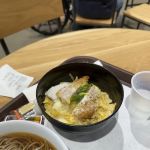 Miyabi Tei4.0 (67 reviews)
 Zzan Sushi & Soju - Downtown4.0 (235 reviews)
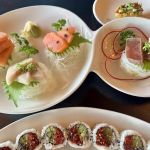 Sushi Mo4.0 (1228 reviews)
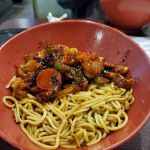 Golden Grill Mongolian & Japanese Cuisine4.0 (268 reviews)
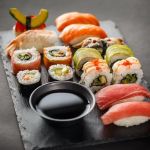 How Many Japanese Restaurants Are in America? A Look at U.S. Japanese Cuisine Growth
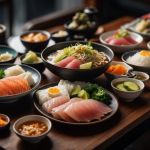 Can You Eat Low Carb at a Japanese Restaurant?
 Why Nagomi Japanese Restaurant Is a Must-Try Spot for Japanese Food Lovers
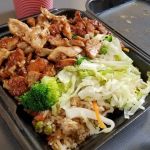 Why Locals Recommend Sarku Japanese Restaurant for Authentic Dining
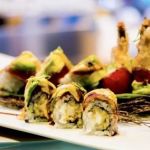 The Complete Guide to Dining at Taki Japanese Restaurant Dunwoody
 Why Wako Japanese Restaurant Is a Must-Try Spot for Japanese Food Lovers