
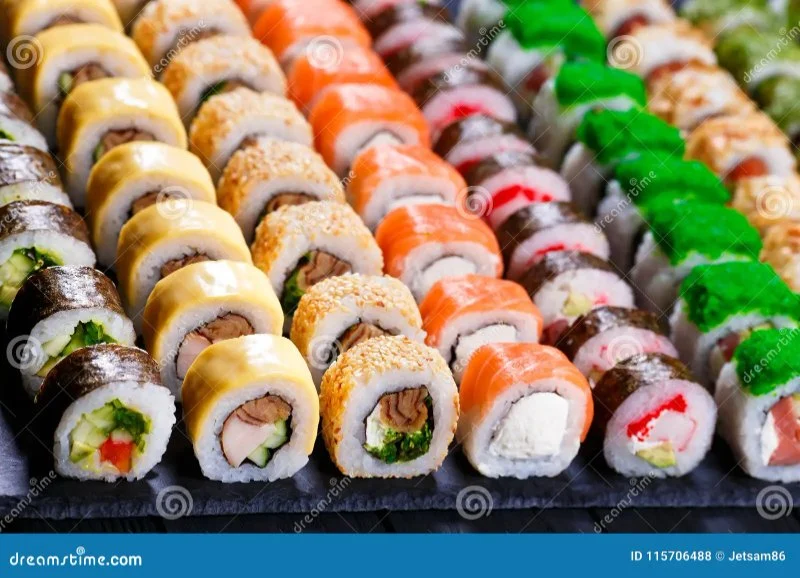
 What is Maki in a Japanese Restaurant? A Comprehensive Guide to Maki Rollswhat is maki, maki rolls, Japanese restaurant menu, sushi maki, maki sushi, maki definition, maki types, Japanese cuisineDiscover what maki is in a Japanese restaurant. Learn about maki rolls, types of maki sushi, and their place on the menu. Perfect for sushi lovers wanting to understand this essential part of Japanese cuisine.
- 1. Introduction
- 2. What is Maki?
- 3. Types of Maki Rolls
- 4. How Maki Rolls Are Made
- 5. Why Maki Is Popular in Japanese Restaurants
- 6. Conclusion
1. Introduction
If you're new to Japanese cuisine or planning to visit a Japanese restaurant, you may have come across the term "maki." Maki is a staple of sushi menus around the world, but what exactly is it, and why is it so popular? In this guide, we'll explore everything you need to know about maki, from its definition to the different types and why it’s a go-to choice for sushi lovers. Let’s dive in!
2. What is Maki?
Maki, short for "maki sushi" or "makizushi," refers to a type of sushi that is rolled in seaweed (nori) and typically contains a filling of fish, vegetables, or other ingredients. It is one of the most common forms of sushi served in Japanese restaurants. The term "maki" translates to "roll," referring to the way the sushi is prepared by rolling the ingredients inside a sheet of seaweed with rice.
While the term "maki" is often used to describe sushi rolls, it’s important to note that maki is just one type of sushi. Unlike nigiri, which consists of a slice of fish on top of rice, or sashimi, which is raw fish served on its own, maki is rolled up and sliced into bite-sized pieces.
3. Types of Maki Rolls
There are several different types of maki rolls, each with its unique ingredients and preparation methods. The most common types of maki include:
3.1 Hosomaki (Thin Rolls)
Hosomaki is the most common and simplest type of maki roll. It consists of a small amount of filling, typically fish or vegetables, wrapped in a thin layer of rice and seaweed. Hosomaki rolls are usually cut into six pieces and are known for their delicate, small size. Popular hosomaki fillings include cucumber, tuna, and avocado.
3.2 Uramaki (Inside-Out Rolls)
Uramaki is often called "inside-out rolls" because the rice is on the outside of the nori. This style of maki is popular in Western countries, particularly in the United States. Uramaki rolls are usually larger and often feature a variety of ingredients, such as California rolls (which typically contain crab, avocado, and cucumber). The rice exterior is sometimes garnished with sesame seeds or fish roe.
3.3 Temaki (Hand Rolls)
Temaki, or hand rolls, are cone-shaped maki rolls that are meant to be eaten with your hands. They are made by rolling a sheet of nori into a cone and filling it with rice, fish, and vegetables. Unlike other maki rolls that are cut into pieces, temaki is a larger, more casual version of maki that is easy to eat on the go.
3.4 Futomaki (Thick Rolls)
Futomaki is a thicker type of maki, often containing multiple fillings such as egg, fish, and vegetables. It is wrapped in a larger sheet of nori and typically sliced into more substantial pieces. Futomaki is often served at special occasions or celebrations, as it is larger and more filling than other types of maki.
4. How Maki Rolls Are Made
The process of making maki rolls involves several steps, each crucial for creating the perfect roll. Here’s a general overview of how maki rolls are made:
4.1 Prepare the Rice
The key ingredient in maki rolls is sushi rice, which is seasoned with a mixture of vinegar, sugar, and salt. The rice needs to be cooked and cooled to the perfect texture before it can be used to make maki rolls. It should be sticky enough to hold the roll together but not too wet.
4.2 Lay Out the Nori
Next, a sheet of nori (dried seaweed) is placed on a bamboo sushi mat. The nori should be placed shiny side down, with the rough side facing up. This rough side will help the rice stick better.
4.3 Add Rice and Fillings
A thin layer of sushi rice is spread evenly across the nori, leaving a small border at the top to seal the roll. The fillings, such as fish, vegetables, or avocado, are placed in the center of the rice. The most popular filling choices include tuna, salmon, cucumber, and crab.
4.4 Roll and Slice
The sushi mat is then used to roll the nori tightly, encasing the fillings inside. Once the roll is formed, it is sliced into bite-sized pieces using a sharp knife. The result is a perfectly rolled maki sushi that can be enjoyed with soy sauce, wasabi, and pickled ginger.
5. Why Maki Is Popular in Japanese Restaurants
Maki is one of the most popular types of sushi served in Japanese restaurants for several reasons:
5.1 Variety of Flavors
Maki offers a wide variety of flavor combinations, making it appealing to many different tastes. Whether you prefer simple vegetarian maki or more complex rolls with multiple types of fish, there’s a maki roll for everyone.
5.2 Customization
Many Japanese restaurants offer customers the ability to customize their maki rolls. You can choose the fillings, the rice, and even the type of nori used to make your sushi, creating a personalized experience.
5.3 Presentation
Maki rolls are visually appealing and often presented beautifully on sushi platters. The variety of colors from the fillings and the clean, round slices make it an attractive option for any meal.
6. Conclusion
In conclusion, maki is a beloved and versatile type of sushi that’s enjoyed worldwide. Whether you’re trying it for the first time or you're a seasoned sushi lover, maki rolls offer a great combination of flavors and textures. From classic hosomaki to innovative inside-out uramaki, there’s a type of maki for everyone. The next time you visit a Japanese restaurant, make sure to try some maki rolls and explore the various combinations that make this dish so unique!
If you’re looking for more great Japanese dining options, visit Japanese Restaurant for a wide variety of dishes and great recommendations!
 don-Don4.0 (7 reviews)
 Osan Japanese Restaurant4.0 (693 reviews)
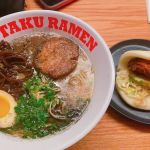 Otaku Ramen4.0 (233 reviews)
 Hissho Sushi3.0 (3 reviews)
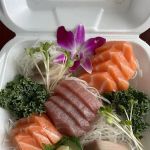 Suny Sushi4.0 (150 reviews)
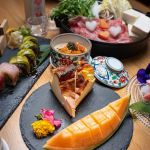 Teppay4.0 (479 reviews)
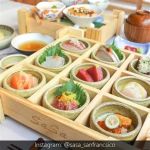 Why Sasa Japanese Restaurant Is a Must-Try Spot for Japanese Food Lovers
 Do Japanese Restaurants Use Iceberg Lettuce? Discover Common Ingredients and Alternatives
 What Makes Musashi Japanese Restaurant Stand Out - A Unique Dining Experience
 The Complete Guide to Dining at Haru Ichiban Japanese Restaurant
 A Foodie’s Experience at Azuma Japanese Restaurant | Must-Try Dishes
 What to Say When You Leave a Japanese Restaurant – Dining Etiquette Explained