
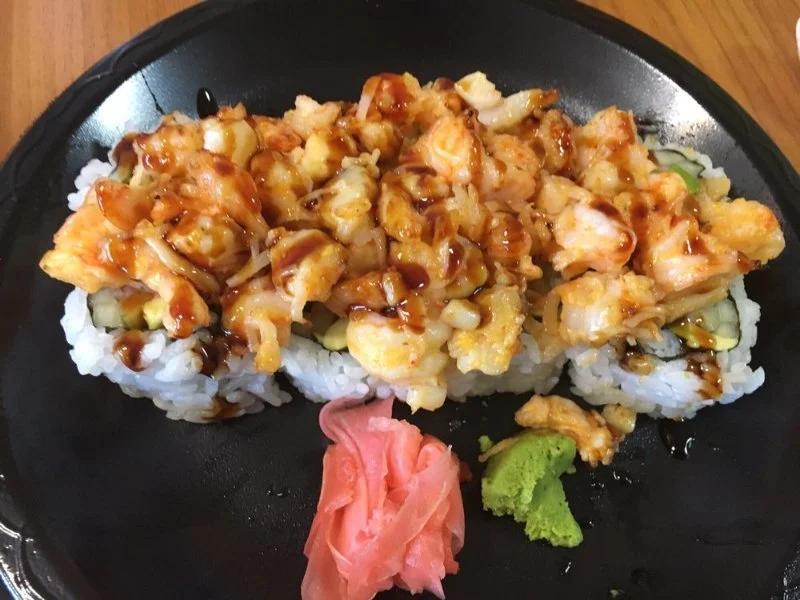
- understanding-o-e-c-in-japanese-restaurant-menus
- origin-and-cultural-significance-of-o-e-c
- how-o-e-c-dishes-are-typically-prepared
- common-misunderstandings-and-menu-contexts
- where-to-enjoy-authentic-o-e-c-style-meals
1. Understanding "O.E.C" in Japanese Restaurant Menus
If you've ever dined at a Japanese restaurant in the U.S. or certain international locations, you may have spotted something curious on the menu: the abbreviation "O.E.C." It's not a common term in traditional Japanese culinary language, so many diners wonder—what is O.E.C in Japanese restaurant contexts?
In most cases, "O.E.C" stands for "Omelet Egg Chicken" or a variation like "Omelet Egg Combo." It’s a shorthand adopted by chefs and local eateries to describe a specific type of fusion dish, often involving stir-fried rice, chicken, and vegetables wrapped in a soft egg omelet. Think of it as a Japanese diner-style comfort meal with Western influence—very popular in urban Japanese-American communities and some bento shops.
2. Origin and Cultural Significance of "O.E.C"
The O.E.C style dish is often linked to yoshoku (Western-influenced Japanese cuisine), which emerged during the Meiji era as Japan modernized. Dishes like omurice (omelet rice) and chicken cutlet curry became staples of home cooking and cafe menus. O.E.C is essentially a creative variation on omurice—simplified for quick service and heavily customized by chefs in Japanese restaurants abroad.
Rather than appearing on traditional menus in Tokyo or Kyoto, you’re more likely to find "O.E.C" in casual eateries or fusion-focused restaurants in the U.S., Canada, or Australia. These restaurants often tailor their dishes for a broader palate while keeping the essence of Japanese comfort food intact.
3. How "O.E.C" Dishes Are Typically Prepared
An O.E.C dish typically includes the following elements:
3.1 The Egg
A fluffy or lightly runny omelet is the centerpiece—folded around the other ingredients or placed over a rice bed. It’s similar to omurice but often thicker and more American diner-style in texture.
3.2 Chicken and Sauce
Grilled or stir-fried chicken is the protein of choice, seasoned in a sweet-savory sauce often resembling teriyaki or garlic soy. Some versions add vegetables like onion or bell pepper for texture and colour.
3.3 Rice Base
The dish is typically served over Japanese white rice or fried rice, seasoned subtly to complement the rich toppings. In some fusion-style restaurants, you might even see it paired with garlic rice or spicy mayo drizzle.
4. Common Misunderstandings and Menu Contexts
Because "O.E.C" isn’t a formal Japanese term, diners are often confused. Some believe it refers to a house special, others mistake it for a combo deal. A Reddit thread once humorously debated if it stood for "One Egg Challenge"—a playful example of how unclear acronyms can be in culinary settings.
If you're unsure, don’t hesitate to ask your server. Many Japanese-American restaurants use these labels for efficiency, not tradition. Dishes may vary from one restaurant to another—some add cheese, others include shrimp. Knowing this helps set your expectations and enjoy the experience more fully.
5. Where to Enjoy Authentic "O.E.C" Style Meals
If you want to explore authentic O.E.C-style meals made with care and creativity, check out your local Japanese Restaurant. Many of them feature this dish under their casual or “chef’s special” sections. Some even allow customization—swapping chicken for tofu, or adding extra egg for protein lovers.
For those new to Japanese comfort cuisine, O.E.C dishes offer an ideal starting point: familiar enough for Western palates, yet distinctly Japanese in execution. It’s one of those “secret favourites” on the menu that regulars often swear by.
 Lucky Trendy Sushi4.0 (32 reviews)
 Sushi Burrito & Poke Bowls4.0 (29 reviews)
 Shiki Sushi & Yakitori4.0 (108 reviews)
 Moto4.0 (667 reviews)
 Heat Shabu - Downtown4.0 (427 reviews)
 Wassabi On Fire4.0 (1569 reviews)
 What Makes Sapporo Japanese Restaurant Stand Out Among Japanese Restaurants
 Why Umi Japanese Restaurant Is a Must-Try Spot for Japanese Food Lovers
 Top Dishes You Should Order at Tachibana Japanese Restaurant
 How Do Japanese Restaurants Make Spicy Mayo? Authentic Recipe and Tips
 Why Kimono Japanese Restaurant is a Must-Try Spot for Japanese Food Lovers
 Exploring the Menu at Hanaoka Japanese Restaurant: A Culinary Journey