
- 1-What-is-restaurant-in-Japanese
- 2-Common-terms-used-for-restaurant-in-Japanese-language
- 3-Cultural-insights-into-Japanese-dining-spaces
- 4-Examples-and-stories-about-Japanese-restaurants
- 5-How-language-shapes-the-dining-experience
- 6-Finding-authentic-Japanese-restaurant-experiences
1. What Is Restaurant in Japanese?
Understanding the Japanese word for restaurant opens a window into the culture of dining in Japan. The most common term for “restaurant” in Japanese is レストラン (resutoran), a loanword borrowed from English. However, Japan also uses several native words that carry more nuanced meanings related to specific types of dining establishments.
For instance, 食堂 (shokudō) refers to a casual dining hall or cafeteria-style restaurant, while 料理店 (ryōriten) indicates a more traditional or formal restaurant. Another popular term, 居酒屋 (izakaya), describes Japanese pubs where people gather to drink and enjoy small dishes.
2. Common Terms Used for Restaurant in Japanese Language
Exploring these terms gives insight into the diversity of Japanese dining experiences:
2.1 Resutoran (レストラン)
A general, modern term used for Western-style restaurants, often offering a wide variety of cuisines.
2.2 Shokudō (食堂)
Usually a simple, affordable place serving home-style meals, popular with workers and students.
2.3 Ryōriten (料理店)
A more formal dining place, often associated with traditional Japanese cuisine and meticulous service.
2.4 Izakaya (居酒屋)
Casual bars serving drinks and small plates, central to Japan’s social dining culture.
3. Cultural Insights into Japanese Dining Spaces
The language used to describe restaurants reflects Japan’s attention to atmosphere, food quality, and social purpose. For example, izakayas are lively spaces fostering community and conversation, while ryōriten emphasize a refined culinary journey.
Japanese dining culture often prioritizes seasonal ingredients, presentation, and harmony between food and environment, elements subtly encoded in the terminology.
4. Examples and Stories About Japanese Restaurants
A famous story from Kyoto describes a ryōriten where the owner’s family has served seasonal kaiseki cuisine for generations, highlighting how the word 料理店 embodies tradition and heritage. Meanwhile, bustling Tokyo izakayas often attract office workers looking to unwind, demonstrating the social role of 居酒屋.
Understanding these words helps visitors appreciate the variety and depth of dining options in Japan beyond just the generic term “restaurant.”
5. How Language Shapes the Dining Experience
The terminology influences expectations and atmosphere. Asking for a resutoran might bring you to a Western-style eatery, while seeking a shokudō offers a taste of everyday Japanese meals. This linguistic nuance enriches travel experiences and deepens cultural understanding.
6. Finding Authentic Japanese Restaurant Experiences
For those eager to explore authentic Japanese cuisine and culture, Japanese Restaurant offers carefully curated dining experiences, products, and recommendations. Whether you want to try traditional ryōriten dishes or relax in an izakaya atmosphere, this resource guides you toward the most genuine and satisfying options.
Delving into the language of dining is just the first step toward enjoying the rich and diverse world of Japanese restaurants.
 Toshi's Teriyaki3.0 (148 reviews)
 Moshi Moshi Sushi & Izakaya4.0 (769 reviews)
 Aloha Sushi4.0 (38 reviews)
 WAKUDA Omakase Room & Bar3.0 (3 reviews)
 HINODEYA Ramen Japantown4.0 (2720 reviews)
 Oshiki Japan (Quail Springs Mall)3.0 (43 reviews)
 Is Japanese Restaurant Good for Celiac People? Tips for Dining Gluten-Free
 Why Taki Japanese Restaurant is a Must-Try Spot for Japanese Food Lovers
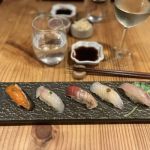 Exploring the Menu at Sasa Japanese Restaurant in the U.S.
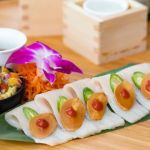 Why Locals Recommend Miyako Japanese Restaurant
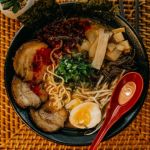 Signature Sushi and Ramen at Izumi Japanese Restaurant
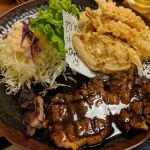 The Complete Guide to Dining at Azuma Japanese Restaurant in the USA