
- 1-The-Japanese-Word-for-Restaurant
- 2-Different-Terms-Used-for-Various-Types-of-Restaurants
- 3-Cultural-Insights-into-Japanese-Dining
- 4-How-Understanding-Language-Enhances-Your-Dining-Experience
- 5-Resources-for-Exploring-Japanese-Restaurant-Culture
1. The Japanese Word for Restaurant
If you’ve ever wondered, “What is restaurant in Japanese?” the most common word is “レストラン” (resutoran), a direct loanword from English. It is used broadly to describe Western-style restaurants in Japan.
However, Japanese also use native terms depending on the type of dining establishment, reflecting the diversity of Japan’s culinary scene.
1.1 Native Japanese Terms
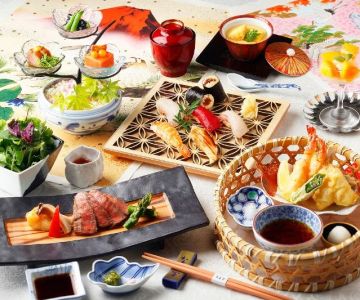
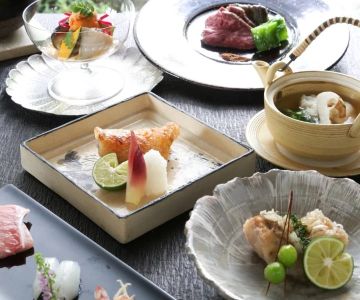
For traditional dining places, words like “食堂” (shokudō) refer to casual eateries or cafeterias, while “料亭” (ryōtei) describes high-end traditional restaurants, often serving kaiseki cuisine.
1.2 Usage Context
While “resutoran” is common in everyday conversation, understanding these native terms can deepen appreciation for the various dining experiences in Japan.
2. Different Terms Used for Various Types of Restaurants
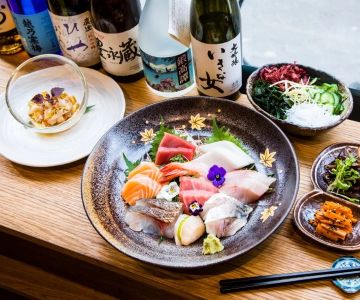
Japan’s culinary landscape is vast, and language reflects this variety. For instance, “居酒屋” (izakaya) refers to casual pubs offering small plates and drinks, popular for social gatherings.
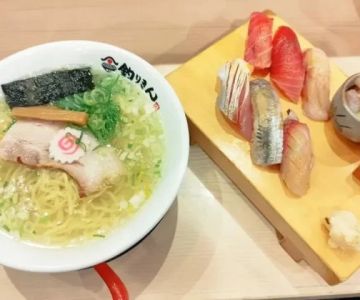
“寿司屋” (sushiya) specifically denotes sushi restaurants, emphasizing the specialization. Similarly, “ラーメン屋” (ramenya) indicates ramen shops, often small and focused on a quick dining experience.
2.1 Significance of Specialized Terms
These terms guide customers to the style of food and atmosphere they can expect, illustrating how language and culture intertwine in dining.
2.2 Regional Dialects and Variations
Different regions in Japan may use local terms or nicknames for certain restaurant types, adding another layer of cultural richness.
3. Cultural Insights into Japanese Dining
Understanding “what is restaurant in Japanese” is also a gateway to grasping dining etiquette and hospitality. Japanese restaurants often emphasize harmony, presentation, and respectful service known as “omotenashi.”
Dining is more than just eating; it’s a cultural experience where language, food, and manners converge to create memorable moments.
3.1 The Role of Language in Hospitality
Staff often use polite language and honorifics to show respect, reflecting the importance of communication in Japanese restaurant culture.
3.2 Rituals and Expressions
Common phrases such as “いらっしゃいませ” (irasshaimase – welcome) and “いただきます” (itadakimasu – I humbly receive) are part of the dining ritual, enhancing the overall experience.
4. How Understanding Language Enhances Your Dining Experience
Knowing what restaurant in Japanese means and recognizing related terms can help visitors navigate menus, communicate dietary needs, and appreciate cultural nuances more deeply.
For example, recognizing “アレルギー” (arerugī – allergy) or “ベジタリアン” (bejitarian – vegetarian) on menus can be crucial for those with dietary restrictions.
4.1 Practical Tips for Tourists
Learning key phrases or using translation apps can ease interactions and demonstrate respect for local customs, often resulting in warmer hospitality.
4.2 Language as a Cultural Bridge
Engaging with the language fosters connection beyond food, turning meals into opportunities for cultural exchange.
5. Resources for Exploring Japanese Restaurant Culture
If you want to dive deeper into the language and culture surrounding Japanese restaurants, the website Japanese Restaurant offers extensive guides, vocabulary, and recommendations for authentic dining experiences.
These resources help both beginners and enthusiasts enjoy Japan’s rich culinary world with greater confidence and enjoyment.
 Toshi's Teriyaki3.0 (148 reviews)
 Moshi Moshi Sushi & Izakaya4.0 (769 reviews)
 Aloha Sushi4.0 (38 reviews)
 WAKUDA Omakase Room & Bar3.0 (3 reviews)
 HINODEYA Ramen Japantown4.0 (2720 reviews)
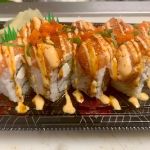 Oshiki Japan (Quail Springs Mall)3.0 (43 reviews)
 Is Japanese Restaurant Good for Celiac People? Tips for Dining Gluten-Free
 Why Taki Japanese Restaurant is a Must-Try Spot for Japanese Food Lovers
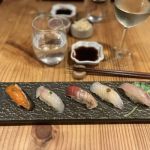 Exploring the Menu at Sasa Japanese Restaurant in the U.S.
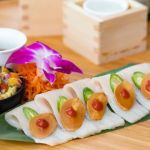 Why Locals Recommend Miyako Japanese Restaurant
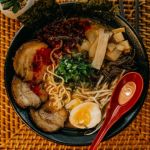 Signature Sushi and Ramen at Izumi Japanese Restaurant
 The Complete Guide to Dining at Azuma Japanese Restaurant in the USA