- 1-understanding-japanese-dining-culture
- 2-common-rude-behaviors-in-japanese-restaurants
- 3-impact-of-rudeness-on-dining-experience
- 4-real-life-examples-of-rudeness-in-japanese-dining
- 5-tips-for-respecting-etiquette-in-japanese-restaurants
- 6-discover-more-with-japanese-restaurant
1. Understanding Japanese Dining Culture
Japanese dining is deeply rooted in respect, harmony, and attention to detail, reflecting broader cultural values. When entering a Japanese restaurant, the atmosphere is often calm, orderly, and polite, setting expectations for diners' behavior. Understanding this cultural context is essential to know what is rude in Japanese restaurant settings.
Japanese etiquette emphasizes mindfulness in actions, such as how you handle chopsticks, how you order, and even how you express appreciation. These customs aim to create a pleasant experience for both guests and staff, making awareness of local manners a key part of respectful dining.
1.1 The Role of Respect and Consideration
In Japan, dining is more than eating; it is a social ritual. Respecting the restaurant’s rules, staff, and other patrons is expected and viewed as a reflection of one's character. Missteps are often interpreted as disrespect or ignorance, which can affect the overall atmosphere.
2. Common Rude Behaviors in Japanese Restaurants
Knowing what is rude in Japanese restaurant environments helps visitors avoid embarrassing or offensive actions. Below are some behaviors that are generally considered impolite or disrespectful:
2.1 Improper Chopstick Use
One of the most well-known faux pas is incorrect use of chopsticks. Examples of rude behavior include sticking chopsticks upright in rice (resembling a funeral ritual), passing food directly from one pair of chopsticks to another, or pointing with chopsticks.
2.2 Speaking Loudly or Causing Disturbances
Japanese restaurants value a quiet, peaceful environment. Loud talking, laughing, or phone conversations disrupt the dining atmosphere and are viewed as rude. Many establishments expect guests to keep noise to a minimum.
2.3 Not Following Seating or Ordering Customs
Ignoring seating etiquette, such as waiting to be seated or disregarding requests from staff, is considered disrespectful. Also, rushing through ordering or being demanding without politeness can upset the staff.
2.4 Wasting Food and Poor Table Manners
Leaving large amounts of uneaten food is frowned upon since it implies wastefulness. Additionally, behaviors like blowing your nose at the table or putting your elbows on the table are discouraged.
3. Impact of Rudeness on Dining Experience
Rude behavior in a Japanese restaurant not only affects personal experience but can also influence how staff and other diners perceive foreign guests. Being unaware of etiquette can lead to uncomfortable situations or even refusal of service in extreme cases.
Conversely, demonstrating respect and understanding of local customs often results in warm hospitality, better service, and a more enjoyable meal. The subtle but meaningful interactions foster a sense of connection and appreciation between diners and restaurant staff.
4. Real-Life Examples of Rudeness in Japanese Dining
A well-documented example involves tourists unintentionally sticking chopsticks upright in their rice bowl, which shocked Japanese hosts due to its symbolic meaning related to funerals. After polite correction, the visitors expressed gratitude and shared their experience online, encouraging others to learn proper etiquette.
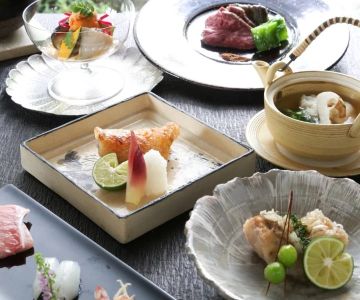
Another case is of a group speaking loudly during a traditional kaiseki meal, which disrupted other diners’ peaceful experience. The restaurant manager gently reminded them about noise levels, and the group apologized and adjusted their behavior, leading to a positive resolution.
5. Tips for Respecting Etiquette in Japanese Restaurants
To avoid what is rude in Japanese restaurant settings, here are some practical tips:
5.1 Learn Basic Chopstick Etiquette
Understand proper chopstick use and avoid taboo behaviors like sticking them upright or passing food chopstick-to-chopstick.
5.2 Use Polite Language and Gestures
Simple phrases like “sumimasen” (excuse me) and “arigatou gozaimasu” (thank you) go a long way in showing respect.
5.3 Observe and Adapt to the Environment
Take cues from staff and other diners regarding noise levels, seating procedures, and pace of dining.
5.4 Avoid Food Waste
Order reasonable portions and try to finish your meal, reflecting appreciation for the food and those who prepared it.
6. Discover More with Japanese Restaurant
For those eager to deepen their understanding of Japanese dining culture and etiquette, visiting platforms like Japanese Restaurant offers curated resources. From detailed guides on what is rude in Japanese restaurant contexts to recommendations for authentic products and services, such resources help travelers and enthusiasts navigate Japanese dining respectfully and confidently.
 Hashigo Sushi4.0 (283 reviews)
 FuGaKyu Japanese Cuisine4.0 (1434 reviews)
 Pepper Lunch4.0 (542 reviews)
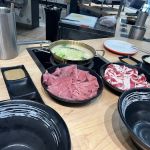 Mura Shabu Shabu3.0 (7 reviews)
 Osaka Ramen and Sushi4.0 (297 reviews)
 Koja Sushi4.0 (496 reviews)
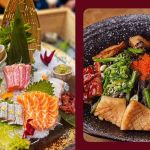 Why Restaurant Japanese Is a Must-Try Spot for Japanese Food Lovers
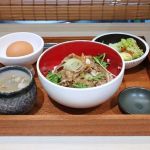 Don Japanese Restaurant Auckland: Discover Authentic Donburi Flavors
 What Makes Green Tea Japanese Restaurant Stand Out Among Japanese Restaurants
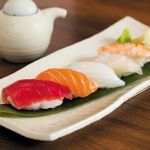 A Aki Japanese Restaurant: Where Tradition Meets Modern Japanese Dining
 Why Locals Recommend Kru Japanese Restaurant: A Hidden Gem for Authentic Japanese Cuisine
 What to Eat at a Japanese Restaurant Besides Sushi