
- what-is-the-clear-soup-at-japanese-restaurants-called
- ingredients-and-how-it-differs-from-miso-soup
- how-it-is-served-and-enjoyed-in-japanese-culture
- real-dining-experiences-with-japanese-clear-soup
- find-authentic-clear-soup-at-japanese-restaurant
1. What Is the Clear Soup at Japanese Restaurants Called?
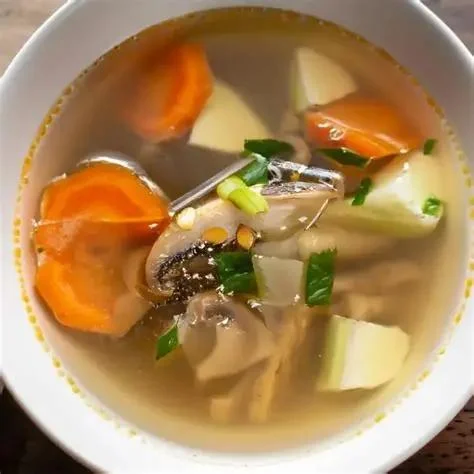
The clear soup often served at Japanese restaurants is typically referred to as "Suimono" (吸い物), meaning “something to sip.” Another closely related version is "Osuimono," which directly translates to “clear broth soup.” This delicately flavored dish is a traditional part of Japanese cuisine, often overshadowed by its more popular cousin, miso soup. Despite its simplicity, Suimono reflects the elegance and subtlety that defines much of Japanese cooking.
2. Ingredients and How It Differs from Miso Soup
While miso soup is cloudy due to fermented soybean paste, Suimono is defined by its clarity. The broth is typically made from kombu (kelp) and katsuobushi (dried bonito flakes), creating a light and umami-rich base called dashi. Ingredients are chosen with care and are often seasonal—think thin slices of mushrooms, a sliver of tofu, or a sprig of mitsuba (Japanese parsley).
Key differences from miso soup:
- No miso paste—thus completely clear in appearance
- Served as a refined palate cleanser or accompaniment in formal meals
This makes Suimono an ideal introduction to the subtle, refined side of Japanese culinary culture.
3. How It Is Served and Enjoyed in Japanese Culture
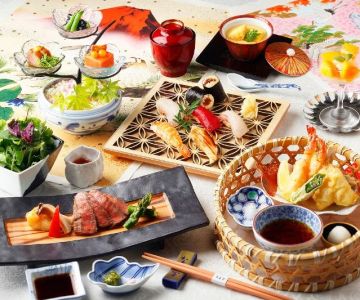
In Japan, Suimono is usually served as a first course in multi-course meals (kaiseki) or during special occasions like New Year's feasts (Osechi). Its purpose is not to overwhelm, but to awaken the palate with gentle aromas and balance. Presentation is critical—the soup is often served in lacquerware bowls with matching lids to preserve warmth and aroma.
The beauty of Suimono lies in its minimalism. Unlike Western broths which may rely on salt or fat for flavor, this dish celebrates clarity and restraint. In fact, its creation is a test of a chef’s precision and control.
4. Real Dining Experiences with Japanese Clear Soup
I recall dining in a Kyoto ryotei where the first dish was a steaming bowl of clear soup with a single yuzu peel floating gently. It looked like water but held such deep, warming flavor that it set the tone for the entire meal. Another time, at a sushi omakase in New York, the chef included a clear clam broth with just a hint of soy—it brought balance after several rich nigiri courses.
These moments reflect how Suimono is not just food—it’s a thoughtful pause in a culinary experience. And it’s quietly becoming a favorite of health-conscious diners for its low calorie, low sodium profile.
5. Find Authentic Clear Soup at Japanese Restaurant
If you’re curious to try authentic Suimono, many establishments listed on Japanese Restaurant feature this delicate soup on their menus, especially those focusing on traditional or kaiseki-style cuisine. Whether you’re in Tokyo, LA, or Singapore, you can locate spots that respect the classic preparation of Japanese clear soup, elevating your dining experience beyond just sushi and ramen.
Next time you dine out, ask your server if Suimono is available—you may discover one of the most understated yet memorable aspects of Japanese cuisine.
 SHABU HARU4.0 (157 reviews)
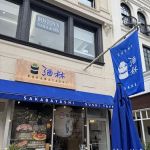 Sakabayashi Sushi Tavern by SUSHIRO4.0 (287 reviews)
 Lava Asian Grill4.0 (684 reviews)
 Modern Maki Sushi4.0 (31 reviews)
 Saka Mori Japanese Fusion3.0 (34 reviews)
 Sushi Cafe & Bar4.0 (264 reviews)
 Is It Rude to Burp at Japanese Restaurant? Understand the Etiquette
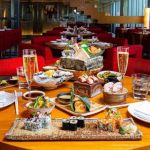 The History and Flavor Behind Japanese Restaurants in Boston
 The History and Flavor Behind Douzo Modern Japanese Restaurant Boston
 An Insider’s Review of Yutaka Japanese Restaurant: Authentic Dining Experience in the U.S.
 Why Kru Japanese Restaurant is a Must-Try Spot for Japanese Food Lovers
 The Complete Guide to Dining at Minamoto Japanese Restaurant