
1. Understanding Japanese Ginger Dressing
When dining at Japanese restaurants, one of the most popular and distinctive condiments you’ll encounter is ginger dressing. But what is the ginger dressing in Japanese restaurants exactly? This vibrant dressing is a harmonious blend of fresh ginger, soy sauce, rice vinegar, and a hint of sweetness, designed to complement salads and other dishes with a refreshing zing.
Its unique flavor profile adds brightness and a subtle spiciness that balances the freshness of vegetables, making it a favorite across a variety of Japanese dining settings.
1.1 Origins and Cultural Context
Ginger dressing reflects Japan’s culinary philosophy of highlighting natural, seasonal ingredients while keeping flavors clean and balanced. This dressing often accompanies the traditional Japanese garden salad or is used as a dipping sauce for grilled meats and seafood.
2. Key Ingredients and Flavor Profile
The essence of Japanese ginger dressing lies in its fresh and simple ingredients. Typically, it includes grated fresh ginger root, soy sauce, rice vinegar, sesame oil, sugar or honey, and sometimes garlic or onion. Some recipes add a small amount of mayonnaise or vegetable oil for creaminess.
The combination creates a dressing that is tangy, slightly sweet, and pleasantly spicy, with the ginger providing a refreshing heat that is never overpowering.
2.1 Why Fresh Ginger Matters
Fresh ginger is the star of this dressing, lending a crisp aroma and zesty bite that dried or powdered ginger cannot replicate. Its natural pungency helps cleanse the palate and stimulates appetite.
3. How Ginger Dressing Is Used in Japanese Restaurants
Japanese restaurants commonly serve ginger dressing as a key component of their salads, often featuring crisp greens, cucumbers, carrots, and daikon radish. It’s also popular as a marinade or dipping sauce for dishes like teriyaki chicken or grilled seafood.
Many restaurants offer it as a house-made specialty, with chefs adjusting ingredients to create their own signature versions. This versatility and freshness make ginger dressing a staple in Japanese dining.
4. Real Stories and Popularity
A customer at a popular Japanese restaurant once shared how the ginger dressing became their go-to favorite, praising its balance of flavors that brightened every meal. Such stories highlight the dressing’s wide appeal and its role in introducing diners to authentic Japanese tastes.
The dressing’s popularity has even inspired many home cooks worldwide to recreate it, seeking the perfect blend of sweet, tangy, and spicy notes.
5. Making Authentic Ginger Dressing at Home
If you want to enjoy the ginger dressing from Japanese restaurants at home, start with fresh ingredients and balance the flavors carefully. Grate fresh ginger finely, mix with soy sauce, rice vinegar, a touch of sweetener, and a splash of sesame oil. Adjust proportions to suit your taste.
For those interested in exploring more authentic recipes and sourcing quality ingredients, Japanese Restaurant provides valuable resources to help recreate genuine Japanese flavors in your kitchen.
 Toshi's Teriyaki3.0 (148 reviews)
 Moshi Moshi Sushi & Izakaya4.0 (769 reviews)
 Aloha Sushi4.0 (38 reviews)
 WAKUDA Omakase Room & Bar3.0 (3 reviews)
 HINODEYA Ramen Japantown4.0 (2720 reviews)
 Oshiki Japan (Quail Springs Mall)3.0 (43 reviews)
 Is Japanese Restaurant Good for Celiac People? Tips for Dining Gluten-Free
 Why Taki Japanese Restaurant is a Must-Try Spot for Japanese Food Lovers
 Exploring the Menu at Sasa Japanese Restaurant in the U.S.
 Why Locals Recommend Miyako Japanese Restaurant
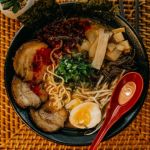 Signature Sushi and Ramen at Izumi Japanese Restaurant
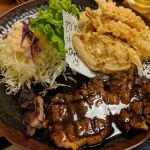 The Complete Guide to Dining at Azuma Japanese Restaurant in the USA