
- what-is-the-house-dressing—understanding-the-signature-flavor-of-japanese-restaurants
- the-history-and-evolution—how-japanese-house-dressing-became-a-dining-staple
- inside-the-ingredients—what-makes-japanese-house-dressing-unique
- how-it’s-served-and-enjoyed—from-side-salad-to-mainstage-flavor
- where-to-find-authentic-taste-visit-japanese-restaurant-for-the-real-deal
1. What Is the House Dressing at Japanese Restaurants: Understanding the Signature Flavor
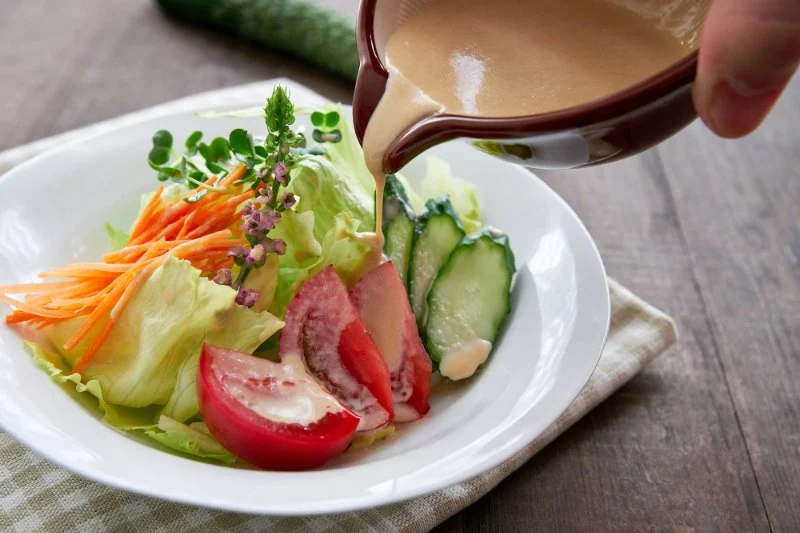
If you’ve ever dined at a Japanese restaurant and ordered a salad, chances are you’ve experienced a tangy, nutty, slightly sweet dressing that instantly stands out. That’s the "house dressing"—a signature blend that has become an iconic part of Japanese dining in the West. But what exactly is the house dressing at Japanese restaurants?
The term "house dressing" refers to the restaurant's signature salad dressing, typically served with a fresh green salad before the main course. While each establishment may have its unique twist, the most recognizable version is a ginger-carrot vinaigrette—zesty, refreshing, and absolutely unforgettable.
2. The History and Evolution: How Japanese House Dressing Became a Dining Staple
The popularity of the house dressing at Japanese restaurants didn’t happen overnight. Originally inspired by traditional Japanese ingredients such as miso, rice vinegar, and sesame, these dressings were adapted for American palates during the sushi boom of the 1980s and 1990s.
One of the earliest mentions of this type of dressing in the U.S. dates back to a Manhattan restaurant in the late ’70s, where chefs began blending Western vinaigrette techniques with Asian flavors. Over time, the dressing evolved into a standard starter at many Japanese establishments—so popular, in fact, that people began requesting it in bottles to take home.
Today, it’s not uncommon to see customers searching online for "what is the house dressing at Japanese restaurants" because its flavor profile is unlike anything else. The craving it creates is real—and it’s fueled by decades of cross-cultural culinary creativity.
3. Inside the Ingredients: What Makes Japanese House Dressing Unique
3.1 Ginger and Carrot as the Base
The foundation of many house dressings at Japanese restaurants is a purée of fresh ginger and carrots. This base is what gives the dressing its bright color and refreshing zing. Ginger brings heat and earthiness, while carrots add natural sweetness and body.
3.2 Vinegar and Soy Sauce for Depth
The tangy balance comes from rice vinegar, occasionally substituted or enhanced with apple cider vinegar. Soy sauce adds umami and saltiness, creating a well-rounded taste that pairs perfectly with greens and grilled dishes alike.
3.3 Sesame Oil and Miso for Complexity
Some versions incorporate sesame oil or toasted sesame seeds for richness and aroma. A spoonful of white or red miso might be added to bring a savory depth, a nod to Japan’s ancient fermentation traditions. These ingredients make the dressing not just a condiment, but a centerpiece.
3.4 Emulsification and Texture
Unlike thin vinaigrettes, Japanese house dressings often have a creamy texture—achieved without cream. This comes from emulsifying the ingredients in a blender, binding the oil with the water-based components through sheer force and fresh vegetables.
4. How It’s Served and Enjoyed: From Side Salad to Mainstage Flavor
Traditionally, the house dressing is served atop a chilled iceberg or romaine salad with shredded carrots and sometimes purple cabbage. But its versatility doesn’t stop there. Some chefs use it as a dipping sauce for grilled meats or a marinade for tofu and chicken.
One particularly memorable example comes from a Japanese fusion bistro in Los Angeles, where the house dressing was transformed into a glaze for roasted salmon. Guests were so impressed that the restaurant began bottling it for sale under their own label.
Whether as a salad topper or a sauce base, the house dressing at Japanese restaurants brings balance and brightness to any dish it touches.
5. Where to Find Authentic Taste: Visit Japanese Restaurant for the Real Deal
If you’re craving that unmistakable flavor and wondering where to get a bottle or taste it again, look no further than Japanese Restaurant. Their expertly crafted house dressing stays true to the original while adding subtle, modern notes tailored to today’s tastes.
Whether you're a food lover seeking inspiration or a home cook eager to replicate the restaurant experience, Japanese Restaurant offers authentic products, ingredients, and menu experiences that bring the magic of this house favorite straight to your plate.
 Wako Donkatsu4.0 (556 reviews)
 Ramen Bar Kazoku4.0 (356 reviews)
 Keiken4.0 (41 reviews)
 CoCo Ichibanya Curry Restaurant TORRANCE4.0 (1462 reviews)
 Sushi & Co4.0 (683 reviews)
 Sushi Yoru4.0 (402 reviews)
 Why Locals Recommend Orchid Japanese Restaurant for Authentic and High-Quality Dining
 Signature Sushi and Ramen at Japanese Curry Restaurant: A Delicious Experience
 What is Hot Pot Japanese Restaurant? Discover the Unique Dining Experience
 Exploring the Menu at Sasa Japanese Restaurant: A Culinary Delight
 Exploring the Menu at Yamato Japanese Restaurant
 A Foodie’s Experience at Jinghe Japanese Restaurant: A Culinary Journey