
- 1 - what-is-the-house-soup-in-japanese-restaurants
- 2 - key-ingredients-that-define-house-soup
- 3 - how-it-differs-from-regular-miso-soup
- 4 - cultural-significance-of-the-house-soup
- 5 - real-customer-experiences-and-perceptions
- 6 - explore-authentic-house-soups-with-japanese-restaurant
1. What Is the House Soup in Japanese Restaurants?
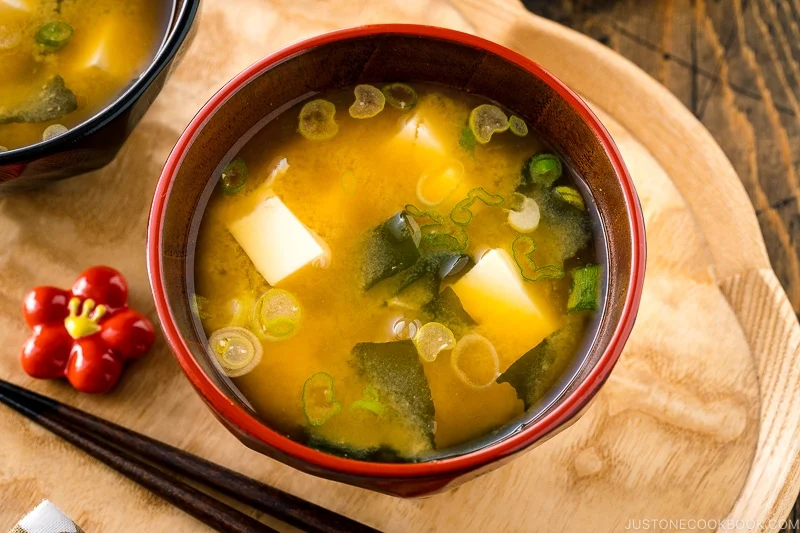
When dining at a Japanese restaurant, you might be served a warm bowl of soup even before your entrée arrives. This is often referred to as the “house soup.” But what is the house soup at Japanese restaurants? Most commonly, it is a variation of miso soup—a traditional and cherished staple in Japanese cuisine. However, some restaurants might infuse their house soup with unique ingredients or preparation styles to create a signature flavor that reflects the chef’s personal touch or regional heritage.
2. Key Ingredients That Define House Soup
The foundation of most house soups is a dashi broth—made from kombu (kelp) and katsuobushi (bonito flakes)—combined with fermented miso paste. Added to this are ingredients like tofu cubes, seaweed (wakame), green onions, and sometimes mushrooms or clams. Some restaurants elevate their house soup with seasonal vegetables or specialty seafood. The balance between umami, saltiness, and earthiness defines the comfort and depth of a good house soup. What makes it distinct at each establishment is often subtle—but intentional—variations in ingredients or preparation.
3. How It Differs from Regular Miso Soup
While most assume the house soup is just “plain miso soup,” that’s not always the case. Many Japanese restaurants enhance their house soup with regional twists. For example, a sushi bar might add shrimp heads for added depth, while a teppanyaki house may blend red and white miso to balance sweetness and saltiness. Some upscale places add truffle oil or substitute soy-based dashi for vegetarian diners. These subtle upgrades may not be obvious at first sip, but they shape the experience and distinguish house soup from its more common cousin.
4. Cultural Significance of the House Soup
In Japan, soup is not just an appetizer—it’s a symbolic offering of hospitality. Serving soup at the start of a meal represents care and warmth. The “house soup” reflects not only culinary skill but also the spirit of omotenashi—Japan’s deep-rooted philosophy of wholehearted hospitality. It’s not uncommon for chefs to take pride in their version of house soup, using it to quietly impress patrons or showcase seasonal ingredients. Much like house wines in Europe, house soup sets the tone for the meal ahead.
5. Real Customer Experiences and Perceptions
One frequent diner in Los Angeles recounted how she always returned to the same Japanese restaurant for their house soup—not their sushi. “It had a smokier taste than usual and pieces of daikon radish,” she said. “The chef later told me he uses a family recipe from Kyushu.” Such stories highlight the emotional connection people form with these humble bowls. They might be simple, but they can leave lasting impressions when crafted with attention and love.
6. Explore Authentic House Soups with Japanese Restaurant
If you’re curious about what is the house soup at Japanese restaurants near you, or if you’re looking for a place that takes extra pride in traditional broths, check out options on Japanese Restaurant. It’s an excellent resource for discovering establishments known for their authentic and signature soups. Whether you're after comfort, authenticity, or a unique regional twist, the right house soup awaits your discovery.
 Lucky Trendy Sushi4.0 (32 reviews)
 Sushi Burrito & Poke Bowls4.0 (29 reviews)
 Shiki Sushi & Yakitori4.0 (108 reviews)
 Moto4.0 (667 reviews)
 Heat Shabu - Downtown4.0 (427 reviews)
 Wassabi On Fire4.0 (1569 reviews)
 What Makes Sapporo Japanese Restaurant Stand Out Among Japanese Restaurants
 Why Umi Japanese Restaurant Is a Must-Try Spot for Japanese Food Lovers
 Top Dishes You Should Order at Tachibana Japanese Restaurant
 How Do Japanese Restaurants Make Spicy Mayo? Authentic Recipe and Tips
 Why Kimono Japanese Restaurant is a Must-Try Spot for Japanese Food Lovers
 Exploring the Menu at Hanaoka Japanese Restaurant: A Culinary Journey