
- 1. What is the Orange Colored Sauce at Japanese Restaurants?
- 2. What Goes into Making the Orange Sauce?
- 3. Common Uses and Pairings for Orange Sauce
- 4. Real-Life Example: How the Orange Sauce Transformed a Dining Experience
1. What is the Orange Colored Sauce at Japanese Restaurants?
If you've ever visited a Japanese restaurant, you’ve likely encountered a unique orange-colored sauce that adds flavor to sushi, grilled meats, or even tempura. This sauce, which often accompanies a variety of dishes, is not just eye-catching due to its vibrant hue, but it's also packed with flavor that balances sweet, savory, and spicy notes. But what exactly is this mysterious sauce, and why is it so popular?
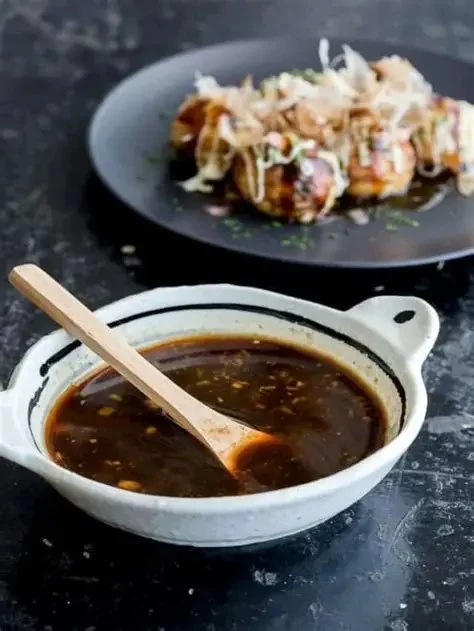
The orange sauce served at Japanese restaurants is typically a combination of mayonnaise and chili paste or sriracha, giving it both a creamy texture and a spicy kick. It's commonly known as "spicy mayo" and is often used as a dipping sauce, topping for sushi rolls, or as a dressing for salads. It's a versatile sauce that enhances the flavor profile of many Japanese dishes.
2. What Goes into Making the Orange Sauce?
The secret to the orange sauce’s creamy texture and spicy heat lies in its simple yet flavorful ingredients. While there are variations, the core components are usually:
- Mayonnaise: The base of the sauce, providing a rich and creamy texture. Japanese mayonnaise, such as Kewpie, is commonly used, known for its slightly sweeter and more umami flavor compared to Western mayonnaise.
- Sriracha or Chili Paste: This adds the characteristic spicy kick to the sauce. Some variations use different types of chili paste depending on the desired level of heat.
- Lemon or Lime Juice: A small amount of citrus juice is often added to balance the richness of the mayo and bring some acidity into the sauce.
- Sesame Oil (optional): In some recipes, a touch of sesame oil is used to add depth of flavor and a slight nuttiness to the sauce.
The combination of these ingredients creates a sauce that's both creamy and spicy, making it a perfect complement to many dishes. The balance of flavors is what makes this orange sauce so popular in Japanese restaurants.
3. Common Uses and Pairings for Orange Sauce
Orange sauce is incredibly versatile, and it's used in a variety of Japanese dishes. Here are some of the most common ways you’ll find it paired with food:
- Sushi Rolls: One of the most popular uses of orange sauce is as a topping for sushi rolls, particularly spicy tuna rolls or dragon rolls. The creamy texture and spicy kick add extra depth to the sushi.
- Grilled Meats: Whether it’s grilled chicken, shrimp, or beef, a drizzle of orange sauce can elevate the flavor of grilled meats, adding a spicy and creamy contrast to the charred exterior.
- Tempura: Tempura is another dish that pairs wonderfully with orange sauce. The crispy, light texture of tempura is complemented by the rich and spicy sauce.
- Salads: Spicy mayo can also be used as a dressing for salads, especially those with vegetables or seafood, adding a creamy element to a refreshing dish.
Besides these dishes, orange sauce can also be used as a dipping sauce for other appetizers like gyoza (dumplings) or takoyaki (octopus balls), making it a truly versatile condiment in Japanese cuisine.
4. Real-Life Example: How the Orange Sauce Transformed a Dining Experience
Take the case of Sarah, who visited a new Japanese restaurant with friends. She had been to many sushi places before, but she was unfamiliar with the "spicy mayo" that the restaurant offered as a topping. When she tried it on her dragon roll, she was amazed by how the creaminess of the mayo and the spice from the sriracha balanced each other perfectly. It wasn’t long before she was adding the sauce to everything on the table—tempura, grilled shrimp, and even salad. By the end of the meal, Sarah declared it her new favorite condiment. This experience highlights how the orange-colored sauce enhances the flavor of various dishes, transforming a regular meal into something memorable.
 Aji sushi Japanese steak & sushi bar4.0 (327 reviews)
 Umiya Leander4.0 (567 reviews)
 Teriyaki Bowl4.0 (135 reviews)
 Miyuki Japanese Restaurant4.0 (71 reviews)
 Kumo Sushi Restaurant4.0 (295 reviews)
 Sushi Masa Westheimer5.0 (139 reviews)
 A Foodie’s Experience at Hatsuhana Japanese Restaurant
 What Makes Goshi Japanese Restaurant SLO Stand Out Among Japanese Restaurants
 Signature Sushi and Ramen at Tanto Japanese Restaurant: A Culinary Delight
 An Insider’s Review of Tachibana Japanese Restaurant | Japanese Restaurant
 How to Make Japanese Restaurant Soup at Home: Step-by-Step Guide
 The History and Flavor Behind Inaba Japanese Restaurant