
- 1-What-is-the-soup-called-at-Japanese-restaurants-Common-Soups-You-Encounter
- 2-Miso-Soup-Details-and-Cultural-Significance-in-Japanese-Dining
- 3-Other-Traditional-Japanese-Soups-Variety-Beyond-Miso
- 4-Personal-Stories-and-Experiences-Enjoying-Japanese-Soups
- 5-Finding-Authentic-Japanese-Soups-with-Japanese-Restaurant
1. What Is the Soup Called at Japanese Restaurants? Common Soups You Encounter
One of the first questions many ask when exploring Japanese cuisine is what is the soup called at Japanese restaurants. While Japanese cuisine offers a wide variety of soups, the most iconic and frequently served soup is miso soup. It is a staple that accompanies many meals and holds a special place in Japanese dining culture.
Besides miso soup, you might also encounter other types such as clear soups called osuimono, and hearty noodle soups like ramen or udon, but these are generally considered separate dishes. Miso soup stands out as the quintessential Japanese restaurant soup, often served as a comforting start or side to the main course.
2. Miso Soup Details and Cultural Significance in Japanese Dining
Miso soup, known in Japanese as “misoshiru”, is made from a stock called dashi combined with miso paste, which is fermented soybean paste. The soup often contains tofu, wakame seaweed, and green onions, creating a balance of savory and umami flavors.
The cultural importance of miso soup extends beyond its taste. It symbolizes nourishment and comfort in Japanese households and restaurants alike. Often served with breakfast, lunch, or dinner, miso soup is considered essential for a balanced meal.
From a nutritional perspective, miso soup is rich in probiotics and vitamins, making it not only tasty but also beneficial for digestion and overall health. Many Japanese chefs take pride in their miso soup recipe, sometimes adding regional variations or secret ingredients to enhance flavor.
2.1 The Role of Miso Soup in Traditional Meals
Miso soup’s role is multifaceted: it cleanses the palate, aids digestion, and complements the flavors of sushi, grilled fish, and rice dishes. Its warm, soothing quality makes it especially popular during colder months, yet it remains a year-round favorite.
3. Other Traditional Japanese Soups: Variety Beyond Miso
While miso soup is the most recognizable, Japanese cuisine features several other traditional soups. Osuimono is a clear broth soup often served during formal meals, delicate in flavor and sometimes garnished with mushrooms, seafood, or vegetables.
Then there are regional specialties such as tonjiru, a miso-based pork soup packed with root vegetables, and dobin mushi, a steamed seafood broth served in a teapot, enjoyed primarily in the autumn.
For noodle lovers, soups like ramen and udon are meals in themselves, with rich broths varying by region, from soy-based to tonkotsu (pork bone) styles. These hearty soups often include meat, eggs, and vegetables, providing a filling and comforting dining option.
4. Personal Stories and Experiences: Enjoying Japanese Soups
A memorable experience shared by a traveler visiting Kyoto involved sitting down at a local Japanese restaurant famous for its traditional kaiseki cuisine. Before the main courses, the chef served a delicate miso soup made from freshly prepared dashi stock and locally sourced ingredients. This simple yet profound dish highlighted how miso soup is not just food but an expression of regional culture and care.
Another story involves a family gathering where tonjiru was served as part of a winter meal. The hearty soup brought warmth and comfort, illustrating the role of Japanese soups in fostering connection and tradition during seasonal celebrations.
4.1 How Soups Reflect Japanese Hospitality
These experiences underscore that soups in Japanese restaurants are crafted with attention to detail and respect for ingredients, embodying the spirit of omotenashi — Japanese hospitality. Sharing these soups can deepen your appreciation of Japanese culture and cuisine.
5. Finding Authentic Japanese Soups with Japanese Restaurant
If you want to explore authentic Japanese soups, including the classic miso soup, Japanese Restaurant offers a curated selection of eateries and products. Our platform connects you with trusted restaurants that honor traditional recipes and provide high-quality dining experiences.
Whether dining out or ordering delivery, Japanese Restaurant helps you discover authentic flavors that capture the essence of Japanese culinary traditions. Explore our site to find the perfect spot where you can enjoy genuine Japanese soups and much more.
 Hashigo Sushi4.0 (283 reviews)
 FuGaKyu Japanese Cuisine4.0 (1434 reviews)
 Pepper Lunch4.0 (542 reviews)
 Mura Shabu Shabu3.0 (7 reviews)
 Osaka Ramen and Sushi4.0 (297 reviews)
 Koja Sushi4.0 (496 reviews)
 Why Restaurant Japanese Is a Must-Try Spot for Japanese Food Lovers
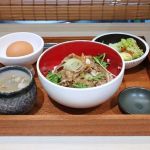 Don Japanese Restaurant Auckland: Discover Authentic Donburi Flavors
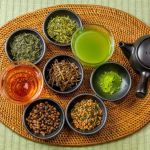 What Makes Green Tea Japanese Restaurant Stand Out Among Japanese Restaurants
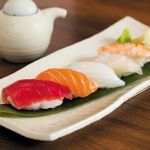 A Aki Japanese Restaurant: Where Tradition Meets Modern Japanese Dining
 Why Locals Recommend Kru Japanese Restaurant: A Hidden Gem for Authentic Japanese Cuisine
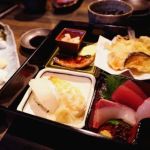 What to Eat at a Japanese Restaurant Besides Sushi