
1. Overview of Japanese Restaurant Menus
When wondering what Japanese would be on a restaurant menu, it's important to realize that Japanese cuisine is diverse and deeply rooted in seasonality and regional traditions. A typical Japanese restaurant menu balances sushi, tempura, noodles, grilled items, and simmered dishes, all crafted to highlight natural flavors and textures.
1.1 Structure and Presentation
Menus are often organized by categories such as appetizers, sashimi, sushi, grilled dishes, noodle bowls, and desserts. Each section offers a variety of choices catering to different tastes and occasions.
2. Popular Traditional Japanese Dishes
Among the most common dishes you would find on a Japanese restaurant menu are:
2.1 Sushi and Sashimi
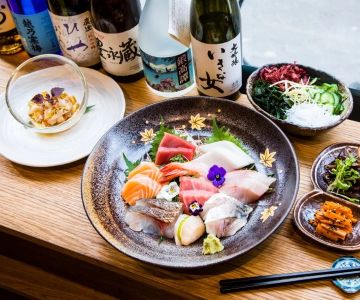
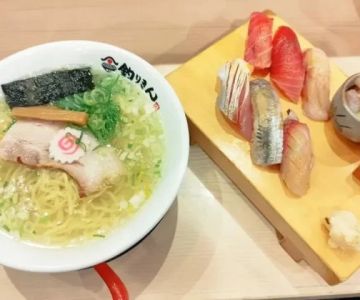
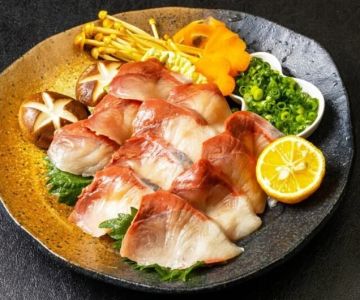
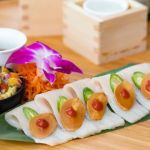
Raw fish delicacies served with vinegared rice (sushi) or alone (sashimi) are staples in many menus, featuring varieties like tuna (maguro), salmon (sake), and eel (unagi).
2.2 Tempura
Battered and deep-fried seafood or vegetables, tempura offers a crispy texture and is usually served with dipping sauce.
2.3 Ramen and Udon
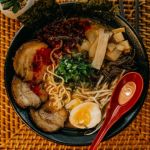
Noodle soups with rich broths, ranging from pork-based tonkotsu to light soy or miso broths, form a popular part of casual dining.
2.4 Yakitori
Skewered grilled chicken, often seasoned with tare sauce or salt, is a favorite snack or appetizer.
3. Regional Variations on Menus
Depending on the location, menus may include regional specialties such as Osaka’s okonomiyaki (savory pancake) or Hokkaido’s seafood dishes, reflecting Japan’s culinary diversity.
3.1 Seasonal Ingredients
Many menus change seasonally to incorporate fresh ingredients, a practice central to Japanese food culture.
4. Understanding Menu Terminology and Ingredients
Familiarizing yourself with Japanese culinary terms can enhance your ordering experience.
4.1 Common Terms
Words like donburi (rice bowl), miso (fermented soybean paste), and tsukemono (pickled vegetables) frequently appear on menus.
4.2 Ingredient Highlights
Freshness is paramount, with ingredients such as seasonal fish, seaweed, soy products, and delicate vegetables used widely.
5. Real Life Experience Exploring Japanese Menus
Sarah, an enthusiast of Japanese cuisine, recalls her first trip to Tokyo where she was fascinated by the variety on menus—from delicate sashimi platters to hearty bowls of ramen. By asking staff for recommendations and trying unfamiliar dishes, she discovered new favorites and appreciated the thoughtfulness behind each menu choice.
6. Where to Find Authentic Japanese Restaurant Menus
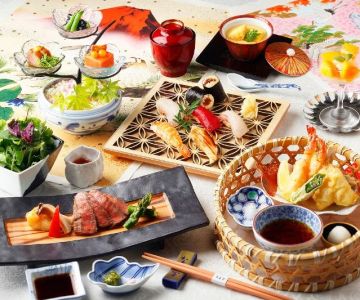
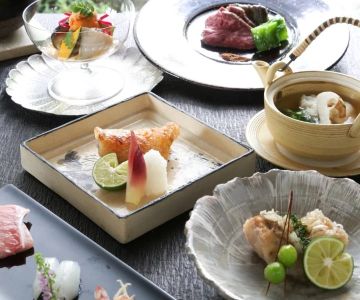
For those eager to explore genuine Japanese menus, our website Japanese Restaurant offers expertly curated options of restaurants featuring authentic dishes. Whether you’re seeking traditional kaiseki or casual sushi spots, Japanese Restaurant guides you to the best culinary experiences.
Understanding what Japanese would be on a restaurant menu is key to appreciating the depth and artistry of Japanese cuisine. With diverse offerings and seasonal touches, these menus invite diners on a flavorful journey through Japan’s rich culinary heritage.
 Toshi's Teriyaki3.0 (148 reviews)
 Moshi Moshi Sushi & Izakaya4.0 (769 reviews)
 Aloha Sushi4.0 (38 reviews)
 WAKUDA Omakase Room & Bar3.0 (3 reviews)
 HINODEYA Ramen Japantown4.0 (2720 reviews)
 Oshiki Japan (Quail Springs Mall)3.0 (43 reviews)
 Is Japanese Restaurant Good for Celiac People? Tips for Dining Gluten-Free
 Why Taki Japanese Restaurant is a Must-Try Spot for Japanese Food Lovers
 Exploring the Menu at Sasa Japanese Restaurant in the U.S.
 Why Locals Recommend Miyako Japanese Restaurant
 Signature Sushi and Ramen at Izumi Japanese Restaurant
 The Complete Guide to Dining at Azuma Japanese Restaurant in the USA