
- 1-Understanding-Japanese-Restaurant-Menu-Terms
- 2-Common-Food-Items-and-Their-Japanese-Names
- 3-Cultural-Meanings-Behind-Menu-Terms
- 4-Practical-Tips-for-Reading-Japanese-Menus
- 5-Resources-for-Exploring-Japanese-Cuisine
1. Understanding Japanese Restaurant Menu Terms
When dining at a Japanese restaurant, understanding what Japanese would be on a restaurant menu can significantly enhance your experience. Japanese menus often include a mix of kanji, hiragana, and katakana scripts, each carrying specific information about the dish.
Menus in Japan typically list not only the dish names but also ingredients, preparation styles, and sometimes price or portion size details. Familiarity with common terms can help diners navigate menus more confidently and order dishes that match their preferences.
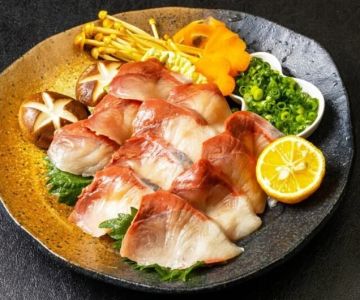
For example, 「刺身」(sashimi) refers to thinly sliced raw fish, while 「天ぷら」(tempura) describes battered and deep-fried foods. Knowing such terms allows you to anticipate the dish’s flavor and presentation.
1.1 Japanese Script on Menus
Many dishes appear in kanji, the logographic characters derived from Chinese, often accompanied by hiragana for pronunciation help or katakana for foreign words and loanwords. This mixture creates a rich but complex reading experience, which can be intimidating for non-native speakers.
2. Common Food Items and Their Japanese Names
To answer the question “what Japanese would be on a restaurant menu,” here is a detailed exploration of some of the most frequent food items you will encounter in a Japanese restaurant:
2.1 Sushi and Sashimi Terms
One of the most internationally recognized Japanese cuisines, sushi menus often include:
- 寿司 (Sushi): Vinegared rice topped with seafood or vegetables.
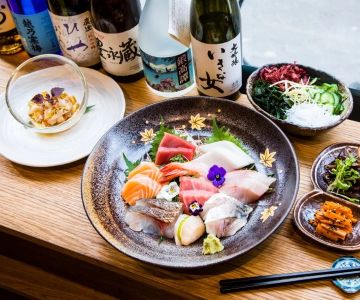
- 刺身 (Sashimi): Fresh slices of raw fish without rice.
- 巻き寿司 (Makizushi): Rolled sushi with seaweed wrapping.
2.2 Noodle Dishes
Noodles are a staple in Japanese cuisine, and menus commonly list:
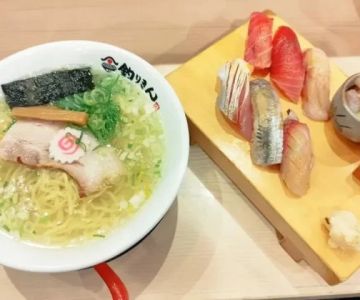
- ラーメン (Rāmen): Chinese-style wheat noodles in broth.
- うどん (Udon): Thick wheat noodles, often served hot or cold.
- そば (Soba): Thin buckwheat noodles, served in broth or chilled.
2.3 Popular Main Dishes
Beyond noodles and sushi, menus may feature:
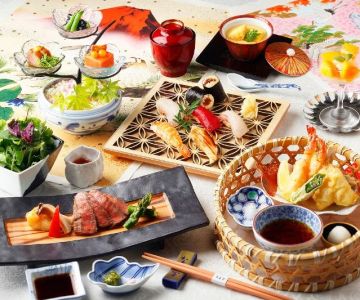
- 天ぷら (Tempura): Deep-fried battered seafood or vegetables.
- 焼き鳥 (Yakitori): Grilled chicken skewers.
- とんかつ (Tonkatsu): Breaded and fried pork cutlet.
2.4 Side Dishes and Others
Common accompaniments include:
- 味噌汁 (Miso Shiru): Miso soup.
- ご飯 (Gohan): Cooked rice.
- 漬物 (Tsukemono): Pickled vegetables.
3. Cultural Meanings Behind Menu Terms
Understanding what Japanese would be on a restaurant menu also involves appreciating the cultural significance behind the dishes. For example, sushi is not just food but an art form that varies by region and season.
Many Japanese dishes reflect the principles of “washoku,” Japan’s traditional cuisine, which emphasizes harmony of flavors, seasonal ingredients, and presentation. For instance, tempura was influenced by Portuguese cooking but has evolved uniquely in Japan, symbolizing the cultural exchange and adaptation.
3.1 Case Study: Regional Menu Variations
In Okinawa, menus might include “ゴーヤチャンプルー” (Goya Champuru), a bitter melon stir-fry dish, which is not commonly found in mainland Japan. This variation showcases how local culture shapes menu offerings and food identity.
4. Practical Tips for Reading Japanese Menus
If you are curious about what Japanese would be on a restaurant menu and want to improve your dining experience, here are some practical tips:
4.1 Use Visual Cues and Pictures
Many Japanese menus include photos or illustrations. Use these as guides to understand dish appearance, which helps when language is a barrier.
4.2 Learn Basic Vocabulary
Start by memorizing key food terms like “魚” (fish), “肉” (meat), and cooking styles such as “焼き” (grilled) or “煮” (boiled). This knowledge helps decode unfamiliar dishes.
4.3 Ask for Recommendations
In Japan, it’s common to ask the staff for recommendations. Simple phrases like 「おすすめは何ですか?」(Osusume wa nan desu ka?) meaning “What do you recommend?” can open up helpful guidance.
5. Resources for Exploring Japanese Cuisine
To explore further what Japanese would be on a restaurant menu and deepen your understanding of Japanese food culture, visit our platform Japanese Restaurant. Here, you can find tailored guides, authentic recipes, and connections to suppliers and shops that offer genuine Japanese products and services.
Whether you are a restaurant owner or a food enthusiast, these resources will help you master Japanese menu vocabulary and bring an authentic taste of Japan to your dining experience.
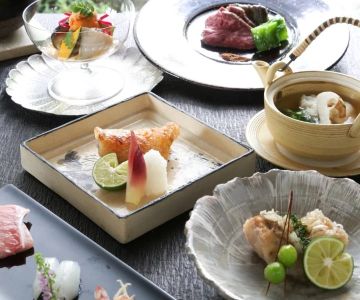
 Fuji Japanese Restaurant4.0 (226 reviews)
 Niko Niko Sushi4.0 (237 reviews)
 Miyabi Tei4.0 (67 reviews)
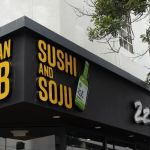 Zzan Sushi & Soju - Downtown4.0 (235 reviews)
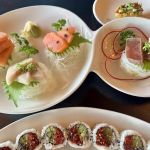 Sushi Mo4.0 (1228 reviews)
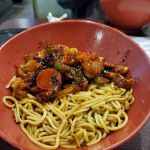 Golden Grill Mongolian & Japanese Cuisine4.0 (268 reviews)
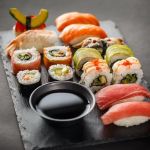 How Many Japanese Restaurants Are in America? A Look at U.S. Japanese Cuisine Growth
 Can You Eat Low Carb at a Japanese Restaurant?
 Why Nagomi Japanese Restaurant Is a Must-Try Spot for Japanese Food Lovers
 Why Locals Recommend Sarku Japanese Restaurant for Authentic Dining
 The Complete Guide to Dining at Taki Japanese Restaurant Dunwoody
 Why Wako Japanese Restaurant Is a Must-Try Spot for Japanese Food Lovers