
- What Kind of Cabbage Japanese Restaurants Use - Understanding the Basics
- Common Japanese Cabbage Varieties and Their Culinary Roles
- How Cabbage Is Used in Japanese Cooking Practices
- Selecting Quality Cabbage for Authentic Flavor and Texture
- Where to Source Authentic Japanese Cabbage and Related Products
1. What Kind of Cabbage Japanese Restaurants Use - Understanding the Basics
For those curious about what kind of cabbage Japanese restaurants use, it’s important to recognize that cabbage plays a subtle yet essential role in many traditional Japanese dishes. Unlike Western kitchens that might favor green or red cabbage varieties, Japanese restaurants commonly use specific types of cabbage that provide the right texture, flavor, and versatility suitable for dishes like okonomiyaki, tonkatsu, and various salads.
Japanese chefs often choose cabbage varieties with crisp, tender leaves and a mild sweetness that enhances dishes without overwhelming them. This careful selection contributes to the overall harmony of a dish, reflecting the Japanese culinary principle of balancing flavors and textures.
1.1 The Importance of Cabbage in Japanese Cuisine
Cabbage is a staple vegetable in Japan, widely appreciated not only for its affordability but also for its nutritional benefits and adaptability. It is frequently used raw in salads, finely shredded under fried dishes like tonkatsu, or cooked in soups and hot pots. Understanding what kind of cabbage is used gives insight into how Japanese restaurants maintain authenticity in their meals.
2. Common Japanese Cabbage Varieties and Their Culinary Roles
Several cabbage types are particularly favored in Japanese cuisine, each bringing its unique qualities to the table:
2.1 Hakusai (Napa Cabbage)
Hakusai, known internationally as Napa cabbage, is perhaps the most iconic cabbage variety in Japan. It features long, pale green leaves with a soft, crunchy texture. This cabbage is highly versatile—commonly used in soups like nabe (hot pot), pickled as in tsukemono, or as a key ingredient in dishes such as sukiyaki and kimchi-inspired recipes.
Its delicate flavor and tender leaves make Hakusai ideal for slow cooking or light stir-frying, allowing it to absorb seasonings while maintaining a pleasant bite.
2.2 Kyabetsu (Green Cabbage)
Kyabetsu, the Japanese term for green cabbage, closely resembles the Western round cabbage but tends to be slightly sweeter and more tender. It’s frequently shredded thinly and served raw under tonkatsu or mixed in okonomiyaki batter, adding both crunch and freshness.
2.3 Other Regional Varieties
Japan also cultivates other lesser-known cabbage types adapted to regional tastes and climates. For example, “Sapporo cabbage” is prized in northern Japan for its robust texture and is often used in hearty winter dishes.
3. How Cabbage Is Used in Japanese Cooking Practices
The choice of cabbage variety directly influences the texture and flavor of classic Japanese dishes. For example, in tonkatsu, finely shredded green cabbage acts as a refreshing counterbalance to the rich, fried pork cutlet. Its crispness and mild sweetness cleanse the palate between bites.
In okonomiyaki, cabbage is one of the star ingredients, providing moisture and structure to the savory pancake. Here, a tender but firm cabbage like Kyabetsu is preferred to avoid sogginess while delivering a satisfying crunch.
Additionally, Hakusai is central to many simmered dishes and pickles, contributing its mild flavor and ability to absorb spices and broths effectively.
3.1 Real-World Example: The Osaka Okonomiyaki Experience
A famous okonomiyaki restaurant in Osaka credits their use of fresh, locally sourced Kyabetsu cabbage as a key factor in their dish’s popularity. The chef explained that selecting the right cabbage ensures the perfect balance of texture, preventing the pancake from becoming too dense or watery—a delicate art that requires understanding the vegetable’s role intimately.
4. Selecting Quality Cabbage for Authentic Flavor and Texture
For those attempting to recreate authentic Japanese dishes at home, knowing what kind of cabbage to use is crucial. Freshness is paramount—look for heads that feel heavy for their size with crisp leaves and no signs of wilting or discoloration.
When possible, sourcing Hakusai or Japanese-style Kyabetsu from specialty stores or markets can significantly enhance your cooking. These varieties tend to have a sweeter flavor and finer texture compared to their Western counterparts, aligning closely with what Japanese restaurants serve.
Proper preparation, such as thin shredding for salads or okonomiyaki, also affects the eating experience and should not be overlooked.
5. Where to Source Authentic Japanese Cabbage and Related Products
If you’re looking for authentic Japanese cabbage or guidance on how to select and use it, Japanese Restaurant provides an excellent platform. You can find recommendations for suppliers, fresh produce markets, and specialty stores offering Japanese vegetables. Their expertise helps both home cooks and professionals achieve authentic flavors with ease.
By utilizing trusted sources and learning proper handling techniques, anyone can enjoy the crisp, delicate taste of Japanese cabbage varieties just like in the restaurants.
 Toshi's Teriyaki3.0 (148 reviews)
 Moshi Moshi Sushi & Izakaya4.0 (769 reviews)
 Aloha Sushi4.0 (38 reviews)
 WAKUDA Omakase Room & Bar3.0 (3 reviews)
 HINODEYA Ramen Japantown4.0 (2720 reviews)
 Oshiki Japan (Quail Springs Mall)3.0 (43 reviews)
 Is Japanese Restaurant Good for Celiac People? Tips for Dining Gluten-Free
 Why Taki Japanese Restaurant is a Must-Try Spot for Japanese Food Lovers
 Exploring the Menu at Sasa Japanese Restaurant in the U.S.
 Why Locals Recommend Miyako Japanese Restaurant
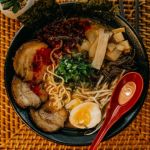 Signature Sushi and Ramen at Izumi Japanese Restaurant
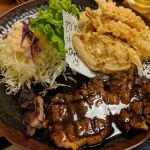 The Complete Guide to Dining at Azuma Japanese Restaurant in the USA