
- 1-the-most-common-cabbage-in-japanese-cuisine
- 2-why-japanese-restaurants-prefer-green-cabbage
- 3-specialty-dishes-that-use-japanese-cabbage
- 4-how-to-choose-and-prepare-cabbage-like-a-japanese-chef
- 5-cabbage-and-culinary-culture-in-japan
- 6-cabbage-recommendations-for-your-own-kitchen
1. The Most Common Cabbage in Japanese Cuisine
1.1 Green Cabbage: The Restaurant Standard
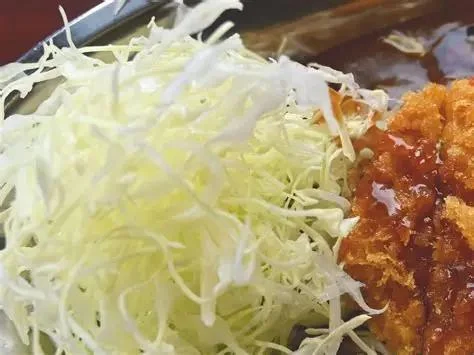
When you ask, “what kind of cabbage Japanese restaurants use,” the answer, almost without exception, is simple: green cabbage. Known in Japan as "kyabetsu" (キャベツ), this variety is light green, crisp, and slightly sweet—perfect for raw or lightly cooked dishes. It's a staple in izakayas, tonkatsu restaurants, ramen shops, and sushi bars alike.
1.2 Napa Cabbage in Traditional Cooking
While green cabbage dominates in modern restaurants, Napa cabbage—known as "hakusai" (白菜)—also plays a critical role, especially in hot pot dishes like shabu-shabu or sukiyaki. Its soft texture and mild flavor make it ideal for stews and simmered dishes.
2. Why Japanese Restaurants Prefer Green Cabbage
2.1 Crunch and Contrast
Japanese cuisine often celebrates balance—hot and cold, sweet and savory, soft and crisp. Raw shredded green cabbage provides the perfect crunchy contrast to fried items like tonkatsu (breaded pork cutlet) or ebi fry (fried shrimp). It cuts through oiliness and refreshes the palate.
2.2 Neutral But Bright Flavor
Green cabbage’s gentle sweetness pairs well with tangy tonkatsu sauce or miso-based dressings. Unlike red cabbage or kale, it doesn’t overpower a dish, making it a versatile choice that complements a wide range of flavors without stealing the spotlight.
3. Specialty Dishes That Use Japanese Cabbage
3.1 Tonkatsu Set Meals
A classic tonkatsu plate isn’t complete without a generous mound of finely shredded green cabbage, often served with a small cup of sesame dressing. Some restaurants even offer unlimited refills of the cabbage—yes, it’s that essential.
3.2 Okonomiyaki: The Cabbage Star
In Osaka and Hiroshima, okonomiyaki—a savory Japanese pancake—relies heavily on chopped green cabbage. It forms the base of the batter, contributing both moisture and texture. Restaurants that specialize in okonomiyaki carefully select cabbage with the ideal leaf density for perfect grilling.
3.3 Gyoza Fillings
Green cabbage is also a major ingredient in gyoza (pan-fried dumplings), where it is chopped, salted to draw out moisture, and mixed with pork or shrimp. Its ability to soften while still maintaining structure is key to a good bite.
4. How to Choose and Prepare Cabbage Like a Japanese Chef
4.1 Picking the Right Head
Look for a tight, heavy head of cabbage with pale green outer leaves. In Japan, chefs often gently squeeze the cabbage to test for firmness—a good indicator of freshness and crispness.
4.2 The Art of Shredding
Japanese chefs use razor-sharp knives or specialized slicers to achieve ultra-thin cabbage strands. The secret? Chill the cabbage first, then slice perpendicular to the leaf veins. Soaking the shreds in cold water makes them extra crisp and removes any bitterness.
5. Cabbage and Culinary Culture in Japan
5.1 Beyond the Plate
Cabbage is more than just a side dish in Japan—it’s part of the culinary culture. In Tokyo’s Tsukiji Market or Kyoto’s Nishiki Market, stalls proudly display fresh piles of green and Napa cabbage, emphasizing their seasonal importance.
5.2 A Symbol of Comfort
In home cooking, cabbage is associated with health and nostalgia. Many Japanese remember warm bowls of miso soup with cabbage during winter or their grandmother’s simmered cabbage rolls. It’s a vegetable that speaks to the soul.
6. Cabbage Recommendations for Your Own Kitchen
6.1 Sourcing Authentic Varieties
If you’re recreating Japanese dishes at home, seek out green cabbage with a flat top and loosely packed leaves—it mirrors what Japanese restaurants use. Some Asian grocery stores label it as "Japanese cabbage," though it's often the same variety.
6.2 Where to Explore More
For those curious about authentic ingredients, cooking styles, or even restaurant-grade shredders, Japanese Restaurant offers curated recommendations and tools used by professionals. It’s a great place to start if you want to bring the restaurant experience into your home.
 Avana sushi 3 & seafood restaurant4.0 (58 reviews)
 Sushi Ahn4.0 (191 reviews)
 Piramida Restaurant4.0 (206 reviews)
 Yoshi Sushi4.0 (199 reviews)
 Magoya4.0 (296 reviews)
 Kappo Honda 割烹本多4.0 (711 reviews)
 A Foodie’s Experience at Asaka Japanese Restaurant: A Journey of Flavor
 A Foodie’s Experience at Umami Japanese Restaurant
 How to Make a Reservation at a Restaurant in Japanese
 The History and Flavor Behind Yoshi Japanese Restaurant
 What Makes Shima Japanese Restaurant Stand Out Among Japanese Restaurants
 Why Locals Recommend Authentic Japanese Restaurants Near You