
- 1-popular-dressings-used-in-japanese-restaurants
- 2-ingredients-and-flavor-profiles-of-japanese-dressings
- 3-cultural-significance-and-serving-context
- 4-real-life-examples-from-japanese-dining-experience
- 5-tips-for-choosing-and-using-japanese-dressings
1. Popular Dressings Used in Japanese Restaurants
When visiting a Japanese restaurant, you might wonder, what kind of dressing do they use in Japanese restaurants? The answer reveals a delightful range of flavors tailored to complement the fresh, seasonal ingredients typical of Japanese cuisine.
1.1 Sesame Dressing (Goma Dressing)
One of the most popular dressings is sesame-based, known as goma dressing. It combines toasted sesame seeds, soy sauce, rice vinegar, sugar, and sometimes a touch of mayonnaise for creaminess. This dressing offers a nutty, slightly sweet flavor that pairs perfectly with crisp salads and steamed vegetables.
1.2 Ponzu Dressing
Ponzu, a citrus-based soy sauce, is another common dressing. Made from soy sauce, yuzu or lemon juice, mirin, and dashi, ponzu dressing brings a refreshing tanginess that lightens salads and seafood dishes alike.
1.3 Wafu Dressing
Wafu dressing means “Japanese-style dressing,” typically a blend of soy sauce, rice vinegar, oil, and sometimes grated onion or ginger. Its balanced umami and acidity make it versatile and widely appreciated.
2. Ingredients and Flavor Profiles of Japanese Dressings
Japanese dressings emphasize harmony and subtlety. Unlike Western dressings that might be heavy on cream or vinegar, Japanese dressings often feature lighter, balanced ingredients to enhance rather than overpower.
2.1 Key Ingredients
Common ingredients include soy sauce for umami depth, rice vinegar for mild acidity, sesame oil or seeds for nuttiness, and citrus like yuzu for brightness. Sweeteners like mirin or sugar provide a gentle sweetness that balances the flavors.
2.2 Flavor Balance
The dressings aim for a delicate interplay between salty, sweet, sour, and savory notes, mirroring the Japanese culinary philosophy of balance and seasonality.
3. Cultural Significance and Serving Context
In Japanese dining culture, dressings serve not only to flavor salads but also to highlight the freshness and natural taste of vegetables and seafood.
3.1 Emphasis on Freshness
Japanese cuisine places great value on seasonality and freshness. Dressings are crafted to enhance these qualities without masking them, which is why lighter, more nuanced dressings are favored.
3.2 Typical Serving Styles
Salads dressed with goma or ponzu are often served as side dishes in multi-course meals or as refreshing starters. The choice of dressing can also reflect regional tastes or the chef’s personal touch.
4. Real-Life Examples from Japanese Dining Experience
A popular story comes from a food blogger who visited a well-known Tokyo restaurant. They were introduced to a homemade goma dressing that included roasted white sesame seeds freshly ground in-house. This experience illustrated how even simple dressings in Japanese restaurants can involve intricate preparation and pride, enhancing the dining experience.
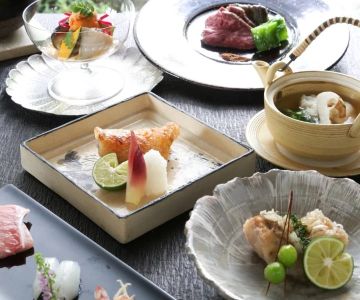
Another memorable case involves a kaiseki meal where each dish, including salads, was paired with a carefully selected dressing to complement seasonal ingredients, highlighting the thoughtfulness behind Japanese restaurant dressings.
5. Tips for Choosing and Using Japanese Dressings
When exploring Japanese dressings, consider these tips:
5.1 Match Dressing to Dish
Use sesame-based dressings for heartier salads or steamed veggies, and ponzu or wafu dressings for lighter seafood or fresh greens.
5.2 Try Making Your Own
Many Japanese dressings are easy to prepare at home with just a few ingredients. Experimenting can deepen your appreciation and let you customize flavors.
5.3 Explore More at Japanese Restaurant
For those wanting to explore authentic Japanese dressings and ingredients further, visiting Japanese Restaurant provides trusted recommendations on products, shops, and services tailored to your culinary interests.
 Yakitori Totto4.0 (1276 reviews)
 Oori Triangles4.0 (371 reviews)
 Avana sushi 3 & seafood restaurant4.0 (58 reviews)
 Sachi Sushi4.0 (17 reviews)
 Yokohama Sushi and hibachi4.0 (38 reviews)
 Uchi Denver4.0 (2416 reviews)
 Exploring the Menu at Momo Sushi Japanese Restaurant
 Why Green Tea Japanese Restaurant Is a Must-Try Spot for Japanese Food Lovers
 Is It Rude to Use a Fork at a Japanese Restaurant?
 Signature Sushi and Ramen at Shiki Japanese Restaurant – A Culinary Journey You Won’t Forget
 A Foodie’s Experience at Haru Ichiban Japanese Restaurant
 Exploring the Menu at Kazu Japanese Restaurant | Japanese Restaurant