
- 1-Overview-of-Noodles-in-Japanese-Cuisine
- 2-Popular-Types-of-Noodles-Used-in-Japanese-Restaurants
- 3-Unique-Characteristics-and-Uses-of-Japanese-Noodles
- 4-Case-Study-How-Noodle-Choice-Affects-Dining-Experience
- 5-Where-to-Find-Authentic-Japanese-Noodles-and-Products
1. Overview of Noodles in Japanese Cuisine
When asking what kind of noodles do Japanese restaurants use, it's important to understand that Japanese cuisine features a rich variety of noodles, each with distinct flavors, textures, and traditional uses. Noodles play a central role in dishes ranging from hearty ramen bowls to delicate soba plates, showcasing Japan’s culinary diversity.
1.1 Cultural Significance of Noodles
Noodles in Japan are more than just food—they carry cultural and seasonal meanings. For instance, soba noodles are traditionally eaten on New Year's Eve for longevity and good luck.
1.2 Regional Variations
Different regions in Japan have developed their own preferred noodle types and preparation styles, which influence what Japanese restaurants serve depending on their culinary focus.
2. Popular Types of Noodles Used in Japanese Restaurants
Japanese restaurants commonly use several distinct noodle varieties, each suited to specific dishes and flavors.
2.1 Ramen Noodles
Ramen noodles, typically made from wheat flour, water, salt, and kansui (alkaline mineral water), are famous for their chewy texture. Served in rich broths with toppings, ramen has become a global sensation but remains deeply traditional in Japan.
2.2 Udon Noodles
Udon noodles are thick, soft wheat noodles with a smooth texture. They are often served hot in broth or cold with dipping sauces, offering a comforting and versatile dining experience.
2.3 Soba Noodles
Soba noodles are made from buckwheat flour, giving them a nutty flavor and slightly firm texture. They can be served chilled with dipping sauce or in hot soups, prized for their health benefits and delicate taste.
3. Unique Characteristics and Uses of Japanese Noodles
Each noodle type contributes uniquely to Japanese cuisine, influencing both taste and presentation.
3.1 Texture and Flavor Profiles
Ramen's elasticity contrasts with udon's softness and soba's earthiness, allowing chefs to craft dishes with varied mouthfeel and aromatic profiles.
3.2 Culinary Pairings
Japanese restaurants carefully pair noodles with broths, toppings, and sauces to enhance flavors—for example, spicy miso broth with ramen or simple soy-based dipping sauce with cold soba.
4. Case Study: How Noodle Choice Affects Dining Experience
At a popular Tokyo eatery, Chef Tanaka emphasizes the importance of noodle selection. For a signature ramen dish, he chooses freshly made alkaline noodles for their springy bite, which perfectly complements his rich pork broth. Diners consistently praise the harmony between broth and noodles, highlighting how the noodle type elevates the overall flavor.
4.1 Impact on Customer Satisfaction
Customers report that the quality and texture of noodles significantly influence their enjoyment and perception of authenticity.
4.2 Chef’s Perspective
Chef Tanaka’s approach illustrates that understanding what kind of noodles do Japanese restaurants use can deepen appreciation for the craft behind each bowl served.
5. Where to Find Authentic Japanese Noodles and Products
For those inspired to recreate authentic Japanese dishes, our website Japanese Restaurant offers a curated selection of genuine noodles and culinary tools. Whether you’re a professional chef or a home cook, this resource connects you with trusted suppliers providing high-quality ramen, udon, and soba noodles.
5.1 Quality and Authenticity Guaranteed
Japanese Restaurant ensures all products meet traditional standards, supporting authentic taste and texture.
5.2 Complementary Ingredients and Equipment
In addition to noodles, find sauces, broths, and utensils tailored to perfect your Japanese cooking experience.
 Toshi's Teriyaki3.0 (148 reviews)
 Moshi Moshi Sushi & Izakaya4.0 (769 reviews)
 Aloha Sushi4.0 (38 reviews)
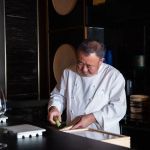 WAKUDA Omakase Room & Bar3.0 (3 reviews)
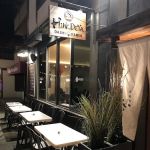 HINODEYA Ramen Japantown4.0 (2720 reviews)
 Oshiki Japan (Quail Springs Mall)3.0 (43 reviews)
 Is Japanese Restaurant Good for Celiac People? Tips for Dining Gluten-Free
 Why Taki Japanese Restaurant is a Must-Try Spot for Japanese Food Lovers
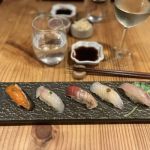 Exploring the Menu at Sasa Japanese Restaurant in the U.S.
 Why Locals Recommend Miyako Japanese Restaurant
 Signature Sushi and Ramen at Izumi Japanese Restaurant
 The Complete Guide to Dining at Azuma Japanese Restaurant in the USA