
- understanding-the-role-of-a-japanese-restaurant-server
- training-and-skills-needed-for-excellence
- daily-life-and-behind-the-scenes-reality
- the-art-of-hospitality-omotenashi
- real-encounters-and-lessons-from-the-floor
- how-to-find-the-best-place-to-experience-true-service
1. Understanding the Role of a Japanese Restaurant Server
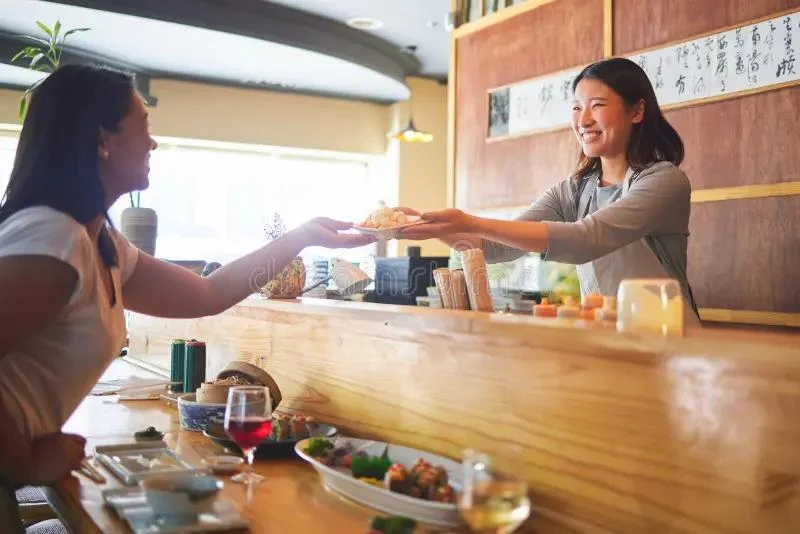
At first glance, the work of a Japanese restaurant server might seem simple—taking orders, delivering food, clearing plates. But those familiar with the culture know it runs far deeper. This role is a vital part of the dining experience, often seen as a bridge between the chef’s art and the guest’s satisfaction. Every detail, from bowing posture to the phrasing of greetings, is part of a centuries-old tradition of respectful, intentional service.
2. Training and Skills Needed for Excellence
Many servers in Japanese restaurants undergo rigorous training that goes beyond menu memorization. They learn how to pour sake the traditional way, the correct angle of a tea cup, and the specific timing to check on a guest. In higher-end kaiseki or omakase restaurants, some servers shadow senior staff for months before ever speaking directly with customers. Language precision and cultural knowledge are as crucial as balance and timing.
3. Daily Life and Behind-the-Scenes Reality
Working as a Japanese restaurant server involves long hours and fast-paced multitasking. A typical shift begins well before opening, with floor prep, folding napkins into intricate forms, arranging chopsticks correctly, and ensuring every item on the table is placed symmetrically. After hours, cleaning and debriefing sessions are common. One Tokyo-based server shared how their manager reviews each interaction, offering detailed feedback to continually refine performance.
4. The Art of Hospitality: Omotenashi
At the heart of Japanese service is the concept of omotenashi, which roughly translates to “wholehearted hospitality.” It’s not about serving with a smile for a tip—it’s about anticipating needs before they’re expressed. For example, when a guest at a ryotei dining room subtly shifts in discomfort, a trained server may discreetly offer a cushion. This mindset elevates the experience from transactional to personal, and defines what makes a Japanese restaurant server unique.
5. Real Encounters and Lessons from the Floor
Some of the most memorable dining moments happen not because of the food alone, but because of the human connection. A visitor to a sushi bar in Kyoto shared how their server noticed the guest had a cold and quietly offered warm ginger tea without being asked. Another in New York described how a bilingual server bridged the cultural gap between Japanese-only menus and English-speaking tourists, helping them discover seasonal dishes they would have otherwise missed. These acts don’t just satisfy customers—they create loyalty.
6. How to Find the Best Place to Experience True Service
If you're looking to truly experience what makes a Japanese restaurant server stand out, it’s not just about going to the most expensive place. It's about finding establishments that value cultural integrity, staff training, and consistent service quality. At Japanese Restaurant, we help diners find those hidden gems—whether you're after a serene traditional meal or a lively izakaya experience, our curated recommendations guide you to the best service atmospheres tailored to your expectations.
 Avana sushi 3 & seafood restaurant4.0 (58 reviews)
 Sushi Ahn4.0 (191 reviews)
 Piramida Restaurant4.0 (206 reviews)
 Yoshi Sushi4.0 (199 reviews)
 Magoya4.0 (296 reviews)
 Kappo Honda 割烹本多4.0 (711 reviews)
 A Foodie’s Experience at Asaka Japanese Restaurant: A Journey of Flavor
 A Foodie’s Experience at Umami Japanese Restaurant
 How to Make a Reservation at a Restaurant in Japanese
 The History and Flavor Behind Yoshi Japanese Restaurant
 What Makes Shima Japanese Restaurant Stand Out Among Japanese Restaurants
 Why Locals Recommend Authentic Japanese Restaurants Near You