- what-not-to-do-at-a-japanese-restaurant
- cultural-significance-behind-these-unspoken-rules
- real-examples-of-dining-missteps-and-what-we-can-learn
- respect-and-etiquette-make-the-difference
- how-japanese-restaurant-helps-you-dine-confidently
1. What Not to Do at a Japanese Restaurant
Dining in Japan — or at an authentic Japanese restaurant anywhere in the world — can be an immersive and memorable experience. But if you're unfamiliar with the customs, you might wonder: what not to do at a Japanese restaurant? Surprisingly, it’s not always about what you eat — it’s often about how you behave.
Japanese dining is built on harmony, mindfulness, and quiet respect for others. Violating these unwritten rules might not get you kicked out, but it can disrupt the flow of the experience — both for you and those around you. The good news? With a little cultural insight, anyone can enjoy Japanese cuisine gracefully and respectfully.
2. Cultural Significance Behind These Unspoken Rules
2.1 Chopstick etiquette: the big deal in small gestures
In Japan, chopsticks are not just utensils — they carry symbolic meaning. Never stick chopsticks upright into a bowl of rice. This resembles a funeral ritual and is considered deeply disrespectful. Also, avoid passing food directly from your chopsticks to someone else's. This mimics a custom related to cremation and is equally inappropriate in public settings.
2.2 Don’t pour your own drink in formal settings
In group meals, particularly with coworkers or friends, it's polite to pour drinks for others and allow them to pour for you. It's more than just a gesture — it signals attentiveness and camaraderie.
2.3 Don’t overuse soy sauce or drown your sushi
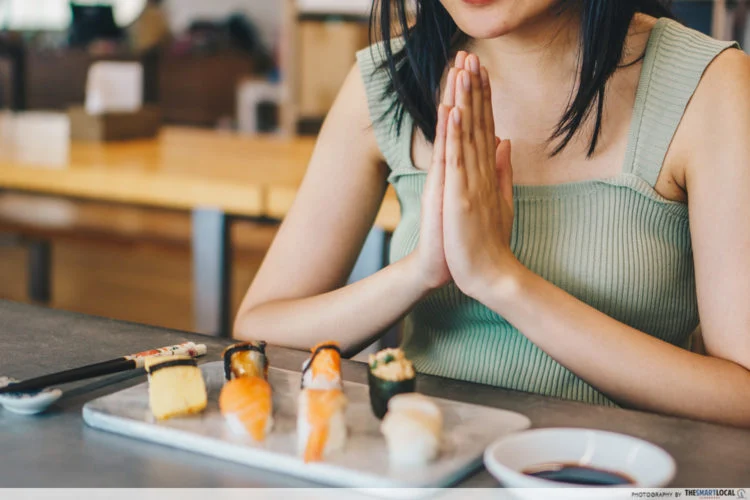
Using soy sauce excessively — especially by dunking rice side down — is seen as wasteful and disrespectful to the chef’s flavor balance. The correct way? Gently dip the fish side into the sauce. For nigiri, it’s even better to use your fingers rather than chopsticks for better control.
2.4 Don’t be loud or disruptive
Japanese dining spaces are often quiet. Loud conversations, phone calls at the table, or even laughing boisterously can come across as inconsiderate. Respect the peaceful atmosphere — it's part of the meal.
2.5 Don’t tip — it’s not customary
Tipping is not expected in Japanese restaurants. In fact, it can even confuse or offend staff. Excellent service is considered standard and part of the job, not something to be rewarded monetarily.
3. Real Examples of Dining Missteps and What We Can Learn
3.1 A tourist’s mistake in Kyoto
One traveler recalled being in a Kyoto kaiseki restaurant, unknowingly resting his chopsticks across the top of a shared dish. While the waiter didn’t say anything, the mood shifted. After learning the cultural faux pas later, he returned the next day to apologize — and was met with warm appreciation for the gesture. Respect goes far in Japanese dining culture, even when you make mistakes.
3.2 Group travelers splitting bills loudly
At a Tokyo izakaya, a group of foreign students began loudly calculating the bill and discussing each person’s portion in English. While they weren’t being rude intentionally, the volume and money talk disrupted the quiet dinner atmosphere. A waiter quietly asked them to lower their voices. The key takeaway? It’s okay to split the bill — but keep it discreet.
4. Respect and Etiquette Make the Difference
4.1 Mind the environment
Whether you're eating sushi at a conveyor belt joint or experiencing a full-course omakase, the core expectation is simple: respect the space, the staff, and the food. That means being on time, cleaning up after yourself, and saying thank you — preferably with a smile and the phrase “ごちそうさまでした (gochisōsama deshita)” at the end of your meal.
4.2 Dress appropriately
Especially in high-end restaurants, avoid casual or beach-style attire. Clean, modest clothing shows that you value the experience being offered. Remember, in Japan, presentation matters as much as taste.
4.3 Be open to unfamiliar customs
If you’re offered a hot towel, use it to clean your hands, not your face. If you're served something unusual, try a bite before saying no. Being respectful of traditions — even when unfamiliar — leaves a positive impression on hosts and staff alike.
5. How Japanese Restaurant Helps You Dine Confidently
Not sure how to avoid missteps during your next Japanese meal? Let Japanese Restaurant guide you. Whether you're looking for omakase dining, casual izakayas, or a spot to try sushi for the first time, our platform offers more than just restaurant listings — we provide cultural insight, etiquette tips, and dish recommendations tailored to your level of experience.
From understanding what not to do at a Japanese restaurant to learning how to fully enjoy the ambiance and food, Japanese Restaurant helps you feel like a welcome guest, not a confused outsider. Dining becomes more than a meal — it becomes a shared, respectful experience.
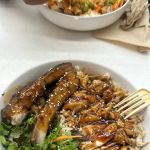 Glaze Teriyaki4.0 (86 reviews)
 Sakura of Japan1.0 (10 reviews)
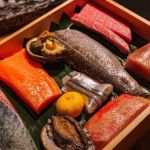 Himitsu - Omakase4.0 (38 reviews)
 Ginza Sushi & Grill Restaurant4.0 (211 reviews)
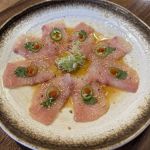 YOKO Sushi • Thai • Sake4.0 (98 reviews)
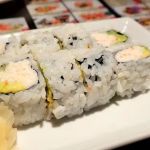 Fusion Sushi4.0 (267 reviews)
 An Insider’s Review of Kiku Japanese Restaurant
 Where Do Japanese Restaurants Find Their Menu Calligraphy?
 Signature Sushi and Ramen at Ichiban Japanese Restaurant
 What Makes Sagami Japanese Restaurant Stand Out Among Japanese Restaurants
 Exploring the Menu at Good Japanese Restaurants NYC – A Culinary Experience
 The History and Flavor Behind Taki Japanese Restaurant in Dunwoody