
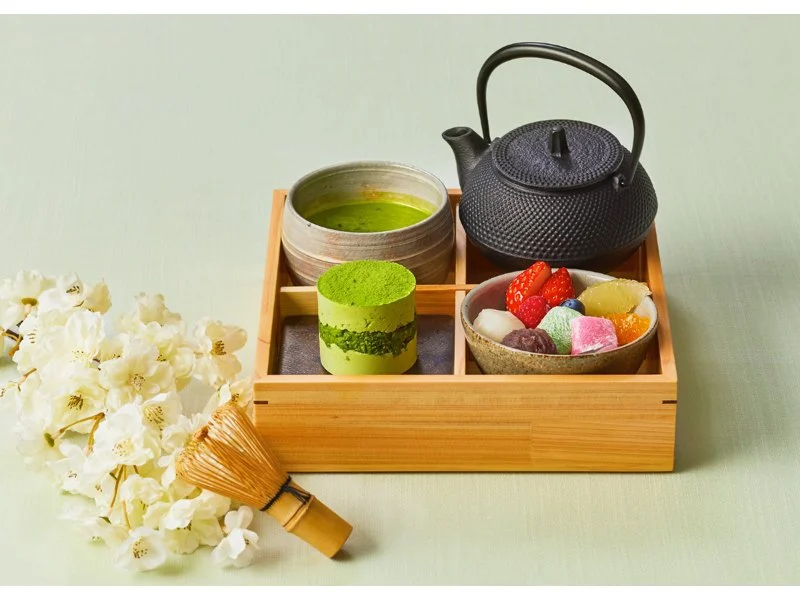
- what-kind-of-tea-is-served-in-japanese-restaurants
- the-cultural-significance-of-tea-in-japanese-dining
- the-different-types-of-tea-you-might-encounter
- real-dining-experiences-and-how-tea-makes-a-difference
- how-to-enjoy-the-best-japanese-restaurant-tea-experience
1. What Kind of Tea Is Served in Japanese Restaurants?
Ever wondered what's the tea they give at Japanese restaurants? That warm, earthy brew served alongside sushi or ramen isn’t just a freebie—it’s a centuries-old tradition deeply tied to Japanese culture and health. Most commonly, it's green tea, but depending on the restaurant’s style and authenticity, you might encounter variations like Genmaicha, Hojicha, or even Sencha.
Unlike sugary beverages or sodas, Japanese tea is known for its subtle bitterness and clean aftertaste, designed to cleanse the palate and enhance the meal’s flavors. When you visit an authentic Japanese Restaurant, the tea they serve is a reflection of their culinary philosophy—balance, purity, and simplicity.
2. The Cultural Significance of Tea in Japanese Dining
In Japan, tea is more than just a beverage—it’s a symbol of hospitality. Known as “ocha” in Japanese, it is offered not only at meals but also during greetings and business meetings. In restaurants, the moment you sit down, a server often brings out a small cup of tea before you’ve even ordered—this silent gesture communicates welcome and respect.
Many restaurants use tea as a bridge between tradition and the dining experience. It sets the mood: calm, thoughtful, and unhurried. That’s why, even in the busiest cities like Tokyo or Los Angeles, Japanese tea rituals continue to thrive inside modern dining spaces. If you're dining in an establishment listed on Japanese Restaurant, chances are you're tasting a bit of history with every sip.
3. The Different Types of Tea You Might Encounter
While the default tea in many Japanese restaurants is a basic roasted or steamed green tea, the variety is surprisingly broad. Let’s explore the most common types you might encounter:
3.1. Sencha
This is Japan’s most popular everyday tea. Bright green in color with a grassy aroma and a touch of bitterness, it’s the one most often served at mid-range sushi spots. Its balance of flavor works well with fish and rice dishes.
3.2. Hojicha
Roasted over charcoal, this brown tea has a nutty, smoky flavor and is low in caffeine. It’s often served at more casual eateries or izakayas and is especially comforting during cold months.
3.3. Genmaicha
Made from green tea leaves mixed with roasted brown rice, Genmaicha has a toasty flavor that pairs perfectly with grilled meats and tempura. It's often referred to as “popcorn tea” due to the popped rice kernels you might spot floating in your cup.
3.4. Matcha
Though less common as a free table drink, Matcha—a finely ground powdered green tea—is a staple in more upscale or ceremonial settings. When served, it's whisked into a frothy, intense green drink and can be part of dessert pairings or tasting menus.
4. Real Dining Experiences and How Tea Makes a Difference
Take this example: At a traditional omakase counter in San Francisco, one customer shared how the progression of tea—from a light Sencha at the start to a soothing Hojicha during the final sushi course—heightened the sensory experience. “It wasn’t just about food,” they recalled. “It felt like a journey. Even the tea knew when to shift tone.”
Another example is a viral TikTok from a Los Angeles-based Japanese fusion café where the staff offered customizable Genmaicha blends. The feedback? People raved not only about the aesthetic but how the toasty tea helped balance rich noodle broths and fried items.
In every story, one theme is clear: the right tea makes the dining experience memorable. And if you’re exploring new venues, browse the curated listings at Japanese Restaurant for places that take their tea program seriously.
5. How to Enjoy the Best Japanese Restaurant Tea Experience
If you're visiting a Japanese restaurant and want to make the most of your tea experience, don’t hesitate to ask what kind of tea is being served. Most staff are happy to share details, and you might discover something you’ve never tasted before. Tea is typically served warm, but some venues offer cold brews, especially in summer months.
Another tip? Pay attention to the cup. Many restaurants use ceramic or porcelain vessels, which retain heat and enhance aroma. Take a moment to appreciate the subtle artistry—tea in Japan is as much about how it's served as what’s in the cup.
Looking to recreate the experience at home or explore other authentic tea-forward eateries? Visit Japanese Restaurant to discover top-rated venues, traditional suppliers, and specialized tea menus tailored to every region and taste.
 Kam's Bubble Tea & Sushi4.0 (552 reviews)
 Menya Hosaki4.0 (562 reviews)
 Juicy Teriyaki4.0 (59 reviews)
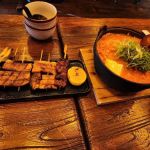 Tamashii Izakaya (Izakaya Haru)4.0 (40 reviews)
 Muracci's4.0 (361 reviews)
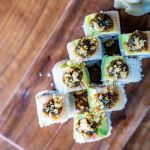 SUSHI ROW0.0 (0 reviews)
 Exploring the Menu at Umi Japanese Restaurant
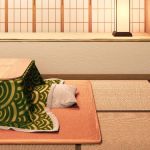 How to Sit on the Floor at a Japanese Restaurant: Etiquette & Comfort Tips
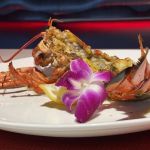 Exploring the Menu at Suteishi Japanese Restaurant: A Culinary Adventure
 A Foodie’s Experience at Akasaka Sushi Korean Japanese Restaurant: A Culinary Journey
 Why Fujiyama Japanese Restaurant Is a Must-Try Spot for Japanese Food Lovers
 Exploring the Menu at Hana Japanese Restaurant – Discover Authentic Japanese Dishes