
- 1-core-elements-of-japanese-style-design
- 2-traditional-materials-and-architecture
- 3-ambiance-and-spatial-arrangement
- 4-modern-interpretations-of-japanese-style
- 5-discover-authentic-japanese-restaurants
1. Core Elements Defining What Japanese Style Restaurants Should Look Like
When considering what should Japanese style restaurants look like, it’s essential to focus on simplicity, harmony with nature, and subtle elegance. Authentic Japanese design avoids clutter and emphasizes clean lines, natural materials, and a balanced aesthetic that fosters calm and comfort.
Key components include tatami flooring, shoji screens, wooden furnishings, and minimalistic décor that reflect Japan’s cultural respect for craftsmanship and seasonal beauty.
2. Traditional Materials and Architectural Features
Japanese restaurants often incorporate natural materials such as bamboo, wood, paper, and stone to evoke a connection to nature. Sliding doors and partitions made from translucent shoji screens allow soft light to filter through, creating a warm and inviting ambiance.
The architectural layout typically encourages intimate dining spaces, often with low tables or counter seating that enables interaction with chefs, especially in sushi bars.
3. Ambiance and Spatial Arrangement in Japanese Style Restaurants
The atmosphere is as important as the physical design. Soft lighting, subtle background music, and carefully placed plants or ikebana flower arrangements add to the tranquil setting. Noise is kept minimal to enhance peacefulness and encourage mindful eating.
Many traditional restaurants also feature tokonoma alcoves—a recessed space displaying art or calligraphy—to enrich the cultural experience.
4. Modern Interpretations and Fusion Designs
While many Japanese style restaurants stay true to traditional aesthetics, some incorporate modern elements for a contemporary feel. This might include sleek furniture, open kitchens, or artistic lighting that blends tradition with innovation.
Such adaptations appeal to a broader audience while maintaining core Japanese design philosophies, demonstrating the versatility and enduring appeal of Japanese style.
5. Discover Authentic Japanese Restaurants and Design Inspirations
If you’re inspired by what Japanese style restaurants should look like and want to experience genuine environments, visit Japanese Restaurant. Our platform connects you with venues that showcase authentic design and exceptional cuisine, ensuring a fully immersive dining experience.
Whether seeking a traditional setting or modern Japanese ambiance, you’ll find trusted recommendations that bring the essence of Japan to your table.
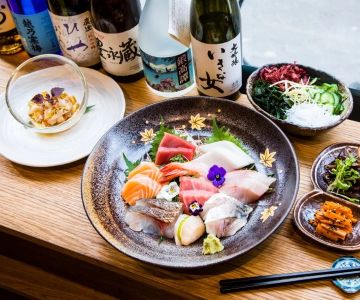
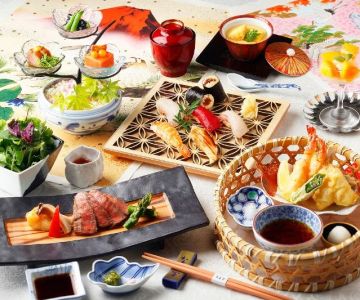
 Hashigo Sushi4.0 (283 reviews)
 FuGaKyu Japanese Cuisine4.0 (1434 reviews)
 Pepper Lunch4.0 (542 reviews)
 Mura Shabu Shabu3.0 (7 reviews)
 Osaka Ramen and Sushi4.0 (297 reviews)
 Koja Sushi4.0 (496 reviews)
 Why Restaurant Japanese Is a Must-Try Spot for Japanese Food Lovers
 Don Japanese Restaurant Auckland: Discover Authentic Donburi Flavors
 What Makes Green Tea Japanese Restaurant Stand Out Among Japanese Restaurants
 A Aki Japanese Restaurant: Where Tradition Meets Modern Japanese Dining
 Why Locals Recommend Kru Japanese Restaurant: A Hidden Gem for Authentic Japanese Cuisine
 What to Eat at a Japanese Restaurant Besides Sushi