
- what-soup-do-japanese-restaurants-serve-most-commonly
- understanding-miso-soup-and-its-cultural-importance
- other-traditional-soups-you-might-find-in-japanese-restaurants
- real-dining-experiences-featuring-japanese-soups
- explore-authentic-soups-through-japanese-restaurant
1. What Soup Do Japanese Restaurants Serve Most Commonly?
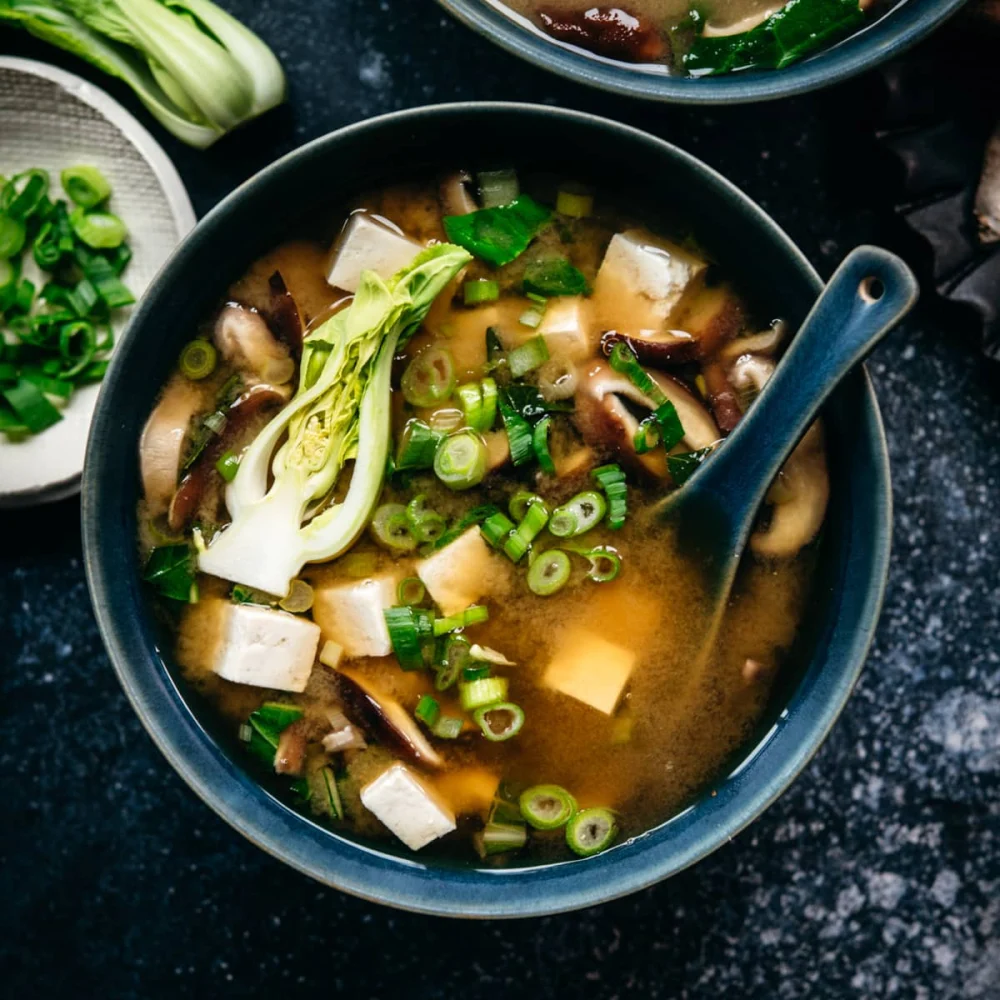
If you’ve ever visited a Japanese restaurant and received a steaming bowl of savory broth before your main course, you’ve likely asked yourself: what soup do Japanese restaurants serve? The answer, in most cases, is miso soup — a humble yet deeply significant dish in Japanese cuisine.
Miso soup is more than just a side dish; it’s a cultural staple. Found in everything from family breakfasts in Kyoto to high-end omakase meals in Tokyo, it plays a subtle but essential role in the dining experience. And while miso soup is the most recognized, there are several other traditional soups served depending on the restaurant’s specialty and region.
2. Understanding Miso Soup and Its Cultural Importance
2.1 The core ingredients of miso soup
Miso soup begins with a base called dashi — a simple, umami-rich broth made from kombu (kelp) and bonito flakes (dried fish shavings). Into this broth, miso paste (fermented soybean paste) is dissolved, creating a savory, slightly tangy liquid.
Common additions include:
- Tofu – soft cubes that add texture
- Wakame seaweed – offering depth and subtle sweetness
- Green onions – for freshness and aroma
2.2 The role of miso soup in the Japanese meal
In traditional Japanese dining, miso soup is not an appetizer but a side dish that complements rice and the main protein. It’s served to warm the body, cleanse the palate, and bring harmony to the meal.
2.3 Regional and seasonal variations
While many restaurants outside Japan stick to a standard version, in Japan itself, miso soup can vary greatly by region. Some areas use red miso (akamiso), which has a stronger taste, while others prefer white miso (shiromiso) for a sweeter, more delicate flavor. Seasonal vegetables, shellfish, or even clams may be added for variety.
3. Other Traditional Soups You Might Find in Japanese Restaurants
3.1 Suimono – the clear, elegant broth
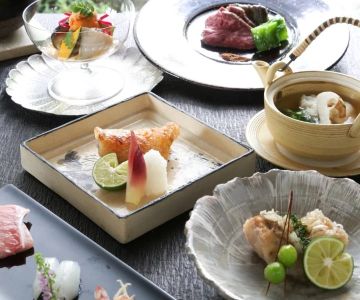
Suimono is a clear soup often served in formal meals or as part of a kaiseki course. It’s lighter than miso soup and made primarily from dashi, showcasing delicate ingredients like mushrooms, tofu skin, or seafood. The flavor is subtle, highlighting seasonal and regional nuances.
3.2 Tonjiru – hearty and comforting
Tonjiru (or Butajiru) is a pork-based miso soup, enriched with root vegetables like daikon, carrot, and burdock. Often served in cold months, this dish is thicker and more filling than standard miso soup. It’s common in home cooking and casual eateries.
3.3 Ozoni – festive and symbolic
Ozoni is traditionally served during Japanese New Year celebrations. It includes mochi (rice cakes), vegetables, and a regional broth base — either miso or clear. While rarely found in everyday restaurants, it’s a must-try at cultural festivals or seasonal menus.
4. Real Dining Experiences Featuring Japanese Soups
4.1 A first taste of miso in Tokyo
During my first night in Tokyo, I was seated at a family-run izakaya. Alongside grilled mackerel and a bowl of rice came a small lacquered bowl with miso soup. The umami from the dashi, the soft tofu, and the light saltiness from the miso paste gave me a sense of comfort I didn’t expect from such a simple dish. I realized then that this soup wasn’t just a meal starter — it was a piece of the culture.
4.2 A surprise in Kyoto’s kaiseki
In Kyoto, at a multi-course kaiseki meal, I was served a suimono with a single matsutake mushroom and a sliver of yuzu peel. The clarity of the broth and its fragrance reminded me of Japanese aesthetics — simplicity and precision in perfect balance. It turned a clear soup into an unforgettable highlight.
5. Explore Authentic Soups Through Japanese Restaurant
If you’ve ever wondered what soup do Japanese restaurants serve — or want to explore variations beyond miso — let Japanese Restaurant be your culinary compass. We connect diners with authentic Japanese eateries offering regional soups, specialty dishes, and seasonal offerings you won’t find on the average menu.
Whether you’re curious about tonjiru in winter, suimono in a formal setting, or just want the richest miso soup in town, Japanese Restaurant helps you find the place that does it right — with the culture and craftsmanship behind every bowl.
 Masa sushi4.0 (156 reviews)
 Ichiban Asian Cusine4.0 (384 reviews)
 KAMEYA BELMONT RAMEN/SUSHI4.0 (299 reviews)
 Sushi Boat4.0 (751 reviews)
 Sushi Today4.0 (726 reviews)
 Onigilly Japanese Kitchen - Santa Clara4.0 (111 reviews)
 The Complete Guide to Dining at Hatsuhana Japanese Restaurant – Menu, Service, and Tips
 What Makes Nagoya Japanese Restaurant Stand Out Among Japanese Restaurants
 Signature Sushi and Ramen at Akasaka Sushi Korean Japanese Restaurant
 How Do Japanese Restaurants Make Wasabi? The Truth About Real Wasabi
 Why Wako Japanese Restaurant Is a Must-Try Spot for Japanese Food Lovers
 A-Tan's Japanese Restaurant San Marcos TX Menu Highlights and Dining Guide