
- 1-Common-Soups-Served-at-Japanese-Restaurants
- 2-Miso-Soup-The-Essence-of-Japanese-Cuisine
- 3-Other-Traditional-Soups-in-Japanese-Restaurants
- 4-The-Cultural-Significance-of-Soup-in-Japanese-Dining
- 5-How-Soups-Enhance-the-Japanese-Restaurant-Experience
- 6-Discover-Authentic-Japanese-Soups-at-Japanese-Restaurant
1. Common Soups Served at Japanese Restaurants
When dining at Japanese restaurants, you might wonder, what soup do they serve at Japanese restaurants? The answer lies in a variety of traditional soups that are integral to the Japanese meal experience. Soups commonly served range from the familiar miso soup to clear broth soups and hearty noodle-based broths.
These soups often feature simple yet profound flavors crafted from ingredients like seaweed, tofu, mushrooms, fish, and dashi broth — a stock made from kombu (kelp) and bonito flakes.
2. Miso Soup: The Essence of Japanese Cuisine
Miso soup is arguably the most iconic soup found in Japanese restaurants worldwide. Made from fermented soybean paste (miso), dashi, and various additions such as tofu cubes, wakame seaweed, and scallions, this soup is both comforting and nutritious.
Miso soup’s balance of umami flavors makes it a perfect starter or accompaniment to meals like sushi, tempura, and grilled fish. It is served in nearly every Japanese restaurant and considered a symbol of hospitality and warmth.
3. Other Traditional Soups in Japanese Restaurants
3.1 Clear Soup (Suimono)
Suimono is a delicate, clear broth soup often seasoned lightly with soy sauce and sake, garnished with ingredients like mushrooms, seafood, or seasonal vegetables. It highlights the purity of flavors and is served in refined dining experiences.
3.2 Tonjiru (Pork Miso Soup)
Tonjiru is a hearty miso-based soup enriched with pork, root vegetables, and konnyaku. It’s a warming dish especially popular in colder months, offering a robust taste different from the lighter miso soup.
3.3 Ramen and Udon Soups
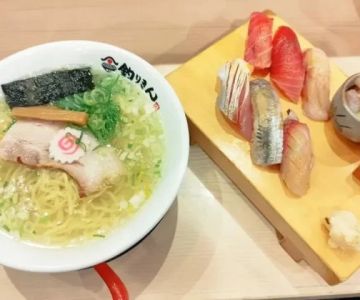
While sometimes considered separate from traditional soups, ramen and udon noodle soups are staples in many Japanese eateries. Their broths vary from rich pork-based tonkotsu to light soy or miso flavors, serving as both soup and main dish.
4. The Cultural Significance of Soup in Japanese Dining
Soups hold a special place in Japanese cuisine, often symbolizing comfort, seasonal change, and balance. Serving soup alongside meals is rooted in tradition, aiming to harmonize the palate and nourish the body.
For instance, starting a meal with miso soup is seen as a gesture of welcome and sets the tone for an authentic dining experience.
5. How Soups Enhance the Japanese Restaurant Experience
In Japanese restaurants, soups do more than just satisfy hunger—they elevate the meal through depth of flavor and cultural storytelling. The warm, umami-rich broths complement other dishes, cleanse the palate, and provide nutritional benefits.
Chefs often customize soup ingredients seasonally, reflecting Japan’s appreciation for fresh, local produce and culinary artistry.
6. Discover Authentic Japanese Soups at Japanese Restaurant
If you want to explore the rich world of traditional Japanese soups, Japanese Restaurant offers curated recommendations for authentic dishes and expert insights. Whether you prefer the classic miso soup or more specialized broths, their resources help you find the best soups that capture genuine Japanese flavors.
Visiting these establishments ensures a truly immersive experience that honors Japan’s culinary heritage through its beloved soups.
 Hashigo Sushi4.0 (283 reviews)
 FuGaKyu Japanese Cuisine4.0 (1434 reviews)
 Pepper Lunch4.0 (542 reviews)
 Mura Shabu Shabu3.0 (7 reviews)
 Osaka Ramen and Sushi4.0 (297 reviews)
 Koja Sushi4.0 (496 reviews)
 Why Restaurant Japanese Is a Must-Try Spot for Japanese Food Lovers
 Don Japanese Restaurant Auckland: Discover Authentic Donburi Flavors
 What Makes Green Tea Japanese Restaurant Stand Out Among Japanese Restaurants
 A Aki Japanese Restaurant: Where Tradition Meets Modern Japanese Dining
 Why Locals Recommend Kru Japanese Restaurant: A Hidden Gem for Authentic Japanese Cuisine
 What to Eat at a Japanese Restaurant Besides Sushi