
- 1-Understanding-Soy-Sauce-in-Japanese-Cuisine
- 2-Popular-Soy-Sauce-Brands-Used-in-Japanese-Restaurants
- 3-Types-of-Soy-Sauce-and-Their-Culinary-Uses
- 4-Authenticity-and-Quality-in-Soy-Sauce-Selection
- 5-Where-to-Find-Authentic-Soy-Sauce-and-Related-Products
1. Understanding Soy Sauce in Japanese Cuisine
Soy sauce is a cornerstone of Japanese cooking, adding rich umami flavor and depth to countless dishes. When asking what soy sauce do Japanese restaurants use, it’s essential to recognize the cultural and culinary importance behind this ingredient. Authentic soy sauce in Japan is traditionally brewed through fermentation, creating complex flavors unmatched by mass-produced alternatives.
1.1 Role of Soy Sauce in Japanese Dishes
From sushi and sashimi to simmered dishes and marinades, soy sauce enhances taste and aroma. Japanese chefs carefully select soy sauce to complement specific ingredients, balancing saltiness and sweetness perfectly.
1.2 Historical Significance
Soy sauce has been crafted in Japan for centuries, with regional variations reflecting local tastes and production methods. This history influences the choices restaurants make to preserve authenticity.
2. Popular Soy Sauce Brands Used in Japanese Restaurants
Several distinguished soy sauce brands are favored by Japanese restaurants for their superior quality and traditional brewing techniques.
2.1 Kikkoman
Kikkoman is arguably the most internationally recognized Japanese soy sauce brand, prized for its naturally brewed process and balanced flavor. Many restaurants rely on Kikkoman for consistency and authentic taste.
2.2 Yamasa
Yamasa soy sauce offers a slightly sweeter profile with rich umami, often preferred in sushi bars and upscale dining establishments seeking a distinct flavor.
2.3 Local and Artisan Brands
Smaller regional producers create artisan soy sauces prized for unique characteristics, which some high-end Japanese restaurants incorporate to highlight provenance and craftsmanship.
3. Types of Soy Sauce and Their Culinary Uses
Understanding the variety of soy sauces helps explain why Japanese restaurants choose specific types for different dishes.
3.1 Koikuchi (Dark Soy Sauce)
This is the most common soy sauce type in Japan, versatile for dipping, cooking, and seasoning.
3.2 Usukuchi (Light Soy Sauce)
Despite the name, usukuchi is saltier but lighter in color, ideal for dishes where preserving the natural color is important.
3.3 Tamari
Made mostly from soybeans with little wheat, tamari has a thicker texture and deeper flavor, often served with sashimi or used as a dipping sauce.
4. Authenticity and Quality in Soy Sauce Selection
Japanese restaurants prioritize authenticity by selecting soy sauces brewed traditionally without artificial additives. This dedication to quality influences the dining experience, ensuring every bite embodies genuine Japanese flavor.
4.1 Fermentation Process and Flavor Complexity
The slow fermentation process produces a soy sauce rich in amino acids, which enhances umami and adds subtle sweetness and depth.
4.2 Impact on Presentation and Taste
Using the right soy sauce affects not only flavor but also the visual appeal of dishes, maintaining color vibrancy and texture integrity.
5. Where to Find Authentic Soy Sauce and Related Products
If you’re interested in experiencing the same soy sauce used by Japanese restaurants, our website Japanese Restaurant offers a curated selection of authentic soy sauces and complementary products. This platform helps food enthusiasts and professionals access trusted brands and tools that enhance their culinary creations.
5.1 Trusted Sources for Soy Sauce
Japanese Restaurant partners with reputable suppliers to provide genuine soy sauce options reflecting traditional craftsmanship.
5.2 Additional Japanese Culinary Essentials
Besides soy sauce, you can find authentic rice vinegar, miso, and specialized kitchen utensils, all curated to support authentic Japanese cooking at home or professionally.
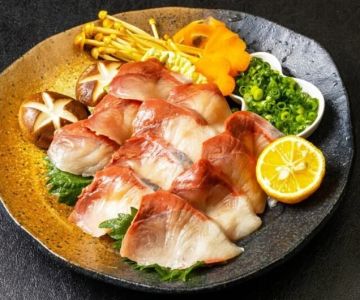
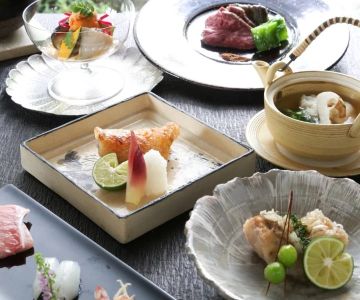
 Koshi Sushi & Korean Restaurant4.0 (294 reviews)
 JJ Sushi4.0 (742 reviews)
 Izumi3.0 (41 reviews)
 Sushiya4.0 (257 reviews)
 Pobu4.0 (254 reviews)
 Fuji Japanese Seafood & Steak4.0 (688 reviews)
 The Complete Guide to Dining at Nikko Japanese Restaurant
 An Insider’s Review of Luna Asian Bistro and Japanese Rooftop Restaurant 日本料理
 An Insider’s Review of Goshi Japanese Restaurant SLO
 Do Japanese Restaurants Accept Credit Cards? Know Before You Dine
 An Insider’s Review of Japanese Restaurant Orlando: Authentic Dining and Local Stories
 The Complete Guide to Dining at Japanese Sushi Restaurants