
- -what-of-sushi-restaurant-is-owned-by-japanese-in-california-#question
- -hallmarks-of-japanese-ownership-#hallmarks
- -north-vs-south-case-profiles-#profiles
- -viral-moments-and-legends-#viral
- -tips-to-spot-authenticity-#tips
- -where-to-explore-next-#explore
1 “What of Sushi Restaurant Is Owned by Japanese in California?”—The Real Query Explained
1.1 Why the Ownership Question Matters When diners type what of sushi restaurant is owned by Japanese in California into search bars, they’re often chasing assurance that the fish, rice, and philosophy come straight from Japanese culinary roots rather than a Western adaptation.
1.2 Scope of the Scene From San Diego to San Francisco, at least forty Michelin-rated or critic-lauded sushi counters are run by Japanese-born chefs or second-generation Nikkei families—more than any other U.S. state.
1.3 Methodology The selections below draw on Michelin listings, immigrant-profile archives, and press coverage between 2023-2025, emphasizing venues where the principal owner or head chef was trained and licensed in Japan before relocating.
2 Hallmarks of a Japanese-Owned Sushi Restaurant
2.1 Ingredient Provenance Look for menus that list the tuna’s catch zone or the rice’s prefecture—habits drilled into chefs during Japanese apprenticeship. Sushi Yoshizumi, for instance, prints its akazu rice blend (Saitama and Niigata grains) on the nightly omakase card.
2.2 Seasonality as Religion True Edomae tradition means ankō liver appears only in winter, while cherry-blossom sea bream shows up briefly each spring. Deviations often signal non-Japanese management pressing for year-round “greatest hits.”
2.3 Craft Culture Chefs such as Morihiro Onodera throw clay to hand-make plates or even grow proprietary Koshihikari rice, underscoring the holistic craftsmanship embedded in Japanese ownership.
3 North-to-South Case Profiles
3.1 Northern California—Precision & Quiet Prestige
• Sushi Yoshizumi (San Mateo) Eight seats, Edo-style aging, run by Akira Yoshizumi, a Shizuoka native who apprenticed under Masaki Saito. One Michelin star since 2017.
• Pioneers on “Sushi Row” (Ventura Boulevard) Though technically SoCal, Ventura’s historical impact on NorCal trends is undeniable, with chefs like Kazunori Nozawa mentoring a statewide talent tree.
3.2 Greater Los Angeles—The Omotenashi Capital
• Sushi Kaneyoshi (Little Tokyo) Chef Yoshiyuki Inoue’s 20-course omakase balances Hokkaido uni and 30-day-aged tuna. Michelin star 2023.
• Mori Sushi / Morihiro Chef “Mori” Onodera’s new Atwater Village atelier pairs hand-thrown porcelain with rice he grows in Sacramento, embodying farm-to-counter purity.
• Urasawa Legacy Space Though Hiroyuki Urasawa’s original spot closed in 2020, the room now houses Sushi Yamamoto, still helmed by Japanese chefs and maintaining the 30-course ritual.
3.3 San Diego & Orange County—Coastal Tradition
• Sushi Ota (Pacific Beach) Master Ota, born in Kumamoto, landed famed Pacific bluefin contracts in the ’90s; despite new financial partners in 2021, he still slices behind the bar twice a week.
• Sushi Gen (Little Tokyo satellite) Founder Toshiaki Toyoshima—honored by Japan’s Consul General—continues to run morning fish-market runs at age 75, ensuring toro sells out by noon.
4 Viral Moments & Living Legends
4.1 The “Trust Me” Doctrine Goes Mainstream Chef Nozawa’s omakase-only stance birthed the SUGARFISH empire, proving a Japanese ethos could scale without diluting quality.
4.2 #30CourseChallenge TikTokers timed themselves eating Urasawa’s old 30-bite sequence; the hashtag hit 6 million views before the restaurant’s closure, then revived when Sushi Yamamoto relaunched the format in 2024.
4.3 DIY Plateware Trend Mori Onodera’s Instagram pottery reels spiked 70 % in saves this year, inspiring young chefs to mold their own soy dishes—another ripple effect of Japanese ownership authenticity.
5 Tips to Spot Authentic Japanese Ownership
5.1 Language Clues Menus listing fish in Japanese (akami, chutoro) rather than generic “tuna” usually signal a Japanese-led kitchen.
5.2 Rice Obsession Ask about shari blend ratios. If staff can quote grain moisture percentages, you’re likely in good hands.
5.3 Owner Presence Japanese proprietors typically man the sushi bar themselves; if you see a chef greeting each guest with “Irasshaimase,” that’s a green flag.
6 Where to Explore Next
6.1 Curated Pathways Overwhelmed by reservation lotteries and wait-lists? Browse Japanese Restaurant for concierge booking windows, artisan shoyu, and donabe cookware that brings the California omakase spirit into your kitchen.
6.2 Stay Updated Bookmark seasonal calendar drops—many Japanese-owned spots open reservations exactly 30 days out at midnight Pacific, a ritual worth syncing your alarm for.
 Hashigo Sushi4.0 (283 reviews)
 FuGaKyu Japanese Cuisine4.0 (1434 reviews)
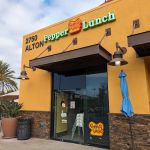 Pepper Lunch4.0 (542 reviews)
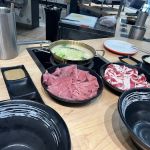 Mura Shabu Shabu3.0 (7 reviews)
 Osaka Ramen and Sushi4.0 (297 reviews)
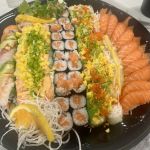 Koja Sushi4.0 (496 reviews)
 Why Restaurant Japanese Is a Must-Try Spot for Japanese Food Lovers
 Don Japanese Restaurant Auckland: Discover Authentic Donburi Flavors
 What Makes Green Tea Japanese Restaurant Stand Out Among Japanese Restaurants
 A Aki Japanese Restaurant: Where Tradition Meets Modern Japanese Dining
 Why Locals Recommend Kru Japanese Restaurant: A Hidden Gem for Authentic Japanese Cuisine
 What to Eat at a Japanese Restaurant Besides Sushi