
- 1-Common-Teas-Served-in-Japanese-Restaurants
- 2-Cultural-Significance-Of-Japanese-Tea
- 3-How-To-Enjoy-Japanese-Tea
- 4-Finding-Authentic-Japanese-Tea-Products
1. Common Teas Served in Japanese Restaurants
When you step into a Japanese restaurant, one of the first things you might notice is the tea served alongside your meal. So, what tea do they serve in Japanese restaurants? Typically, the answer revolves around a selection of traditional Japanese teas, each with its unique flavor profile and cultural importance.
1.1 Sencha – The Everyday Green Tea
Sencha is the most commonly served tea in Japanese restaurants. It is a steamed green tea with a fresh, grassy aroma and a slightly sweet, umami-rich flavor. Its refreshing taste complements a wide range of dishes, from sushi to grilled meats, making it a staple choice.
1.2 Hojicha – Roasted Green Tea
Hojicha offers a warm, roasted flavor distinct from other green teas. This tea is made by roasting sencha or bancha leaves, resulting in a mellow, nutty aroma and a lower caffeine content. Many diners appreciate hojicha as a soothing option, especially after heavier meals.
1.3 Matcha – Powdered Green Tea
Matcha is a finely ground powdered green tea known for its vibrant green color and rich, slightly bitter taste. While more commonly associated with tea ceremonies, some restaurants serve matcha either as a drink or incorporated into desserts. Its presence adds a touch of tradition and elegance.
2. Cultural Significance of Japanese Tea in Dining
Tea in Japan is more than just a beverage; it embodies hospitality, respect, and a deep cultural heritage. Serving tea in Japanese restaurants is a gesture of welcoming guests and enhancing the dining experience.
2.1 Tea as a Symbol of Omotenashi (Hospitality)
Offering tea upon arrival is a common practice in Japanese restaurants, reflecting the spirit of omotenashi—thoughtful hospitality. This custom not only refreshes guests but also sets a serene tone for the meal.
2.2 Historical Roots of Japanese Tea Culture
Japanese tea culture traces back centuries, influenced by Zen Buddhism and samurai traditions. The meticulous preparation and appreciation of tea highlight mindfulness, which carries over into the dining atmosphere of many traditional restaurants.
3. How to Enjoy Japanese Tea at a Restaurant
Enjoying tea in a Japanese restaurant involves more than drinking; it is an experience that engages the senses and enhances the meal.
3.1 Savoring the Aroma and Flavor
Take time to appreciate the delicate aroma before sipping. For instance, sencha’s fresh fragrance or hojicha’s roasted warmth can enhance your meal’s enjoyment, making each bite more memorable.
3.2 Pairing Tea with Food
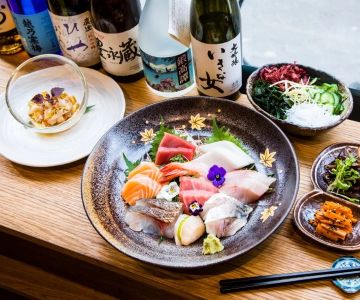
Choosing the right tea to complement your meal can elevate flavors. Light dishes like sashimi pair beautifully with sencha, while grilled or fried foods benefit from the deeper notes of hojicha. Matcha often serves as a palate cleanser or dessert accompaniment.
4. Finding Authentic Japanese Tea Products and Recommendations
For those who want to bring the authentic taste of Japanese restaurant teas home, Japanese Restaurant offers a carefully curated selection of genuine Japanese teas. These products capture the essence of traditional flavors and provide a way to enjoy the rich tea culture daily.
4.1 Trusted Quality and Authenticity
Japanese Restaurant ensures that the teas available maintain the highest quality standards, sourced directly from reputable Japanese tea producers. This guarantees an authentic experience whether for casual drinking or ceremonial purposes.
4.2 Customer Stories and Popular Choices
Many customers share how discovering authentic teas through Japanese Restaurant transformed their appreciation of Japanese cuisine at home, making tea an essential part of their dining rituals.
 Manpuku Japanese BBQ Dallas4.0 (278 reviews)
 Traviesushi5.0 (85 reviews)
 Sarku Japan3.0 (208 reviews)
 Kazu Japanese Restaurant4.0 (598 reviews)
 Sushi Box4.0 (503 reviews)
 No.1 Hibachi4.0 (168 reviews)
 Why Locals Recommend Miyabi Japanese Restaurant – A True Dining Experience
 The Complete Guide to Dining at Kazu Japanese Restaurant | Sushi, Tempura & More
 Exploring the Best of Don Japanese Restaurant Menu: A Taste of Tradition
 Why Locals Recommend Mt. Fuji Japanese Restaurant for Authentic Dining
 Why Are There Waving Cat Figurines in Japanese Restaurants?
 Why Fujiyama Japanese Restaurant Is a Must-Try Spot for Japanese Food Lovers