- 1 - origin-of-the-waving-cat-maneki-neko
- 2 - symbolism-behind-the-gesture
- 3 - color-and-style-variations
- 4 - how-maneki-neko-became-a-japanese-restaurant-staple
- 5 - case-study-success-story-from-a-tokyo-ramen-shop
- 6 - modern-interpretations-and-digital-evolution
- 7 - find-your-authentic-maneki-neko-at-japanese-restaurant
1. Origin of the Waving Cat – Maneki Neko
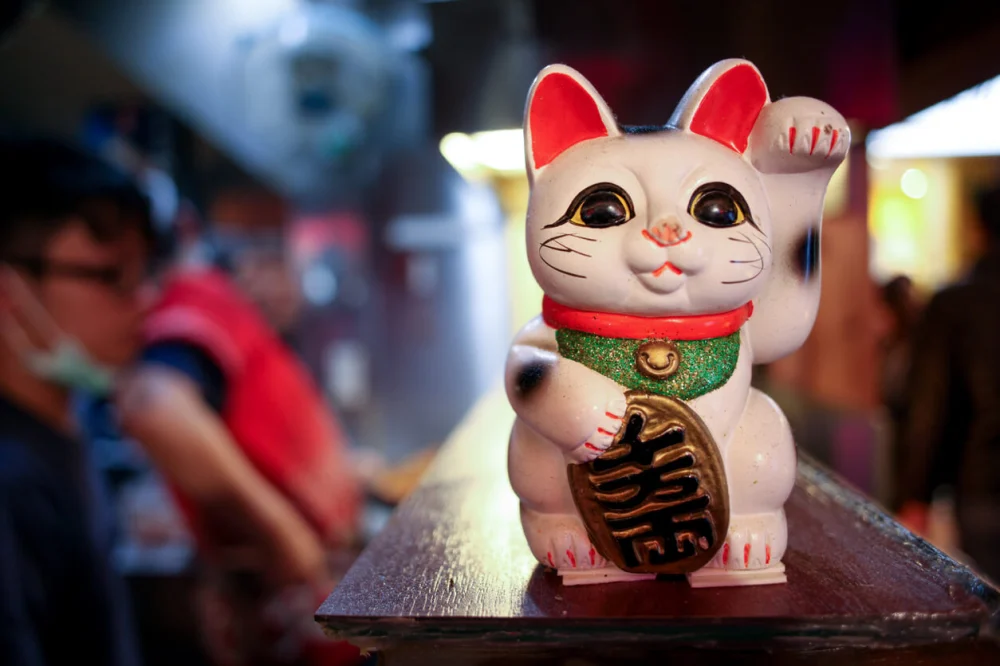
If you've ever stepped into a Japanese restaurant and spotted a cat figurine with a raised paw, you've encountered the Maneki Neko, or "beckoning cat." This iconic figure dates back to Japan's Edo period (17th century) and is rooted in folklore and tradition. One popular legend tells of a poor temple priest whose cat raised its paw to beckon a traveling samurai during a thunderstorm. The samurai followed the gesture and narrowly avoided a lightning strike. Out of gratitude, he donated to the temple, which flourished thereafter. Hence, the Maneki Neko became a symbol of fortune and protection.
2. Symbolism Behind the Gesture
The raised paw is more than a cute motion—it has deep cultural significance. In Japan, the gesture of raising and lowering a hand mimics a beckon, not a wave. If the cat's left paw is raised, it's believed to attract more customers, making it a favorite in restaurants and shops. A raised right paw, on the other hand, is associated with wealth and luck, making it popular in business settings. Some figurines feature both paws raised, doubling the good fortune—though some Japanese believe this can appear too desperate or greedy.
3. Color and Style Variations
The classic white cat with red and gold trim is just one version. Over time, color variations have emerged, each with its own meaning:
- White: Purity and happiness
- Gold: Wealth and prosperity
- Black: Protection from evil
- Red: Health and safety
- Green: Academic success
Some Maneki Neko wear bibs, bells, or coins—symbolizing offerings to gods or spirits. Others are motion-sensor powered and wave mechanically, blending tradition with modern technology.
4. How Maneki Neko Became a Japanese Restaurant Staple
As Japanese restaurants spread globally, many owners brought cultural elements with them—including Maneki Neko. It serves a dual purpose: welcoming guests with its beckoning gesture and expressing a cultural narrative. In many ways, it communicates hospitality without words. Customers often find comfort and curiosity in spotting the waving cat, making it a conversation starter and brand symbol. Restaurants often place them at the entrance or on the counter, reinforcing the idea of welcome and good vibes.
5. Case Study: Success Story from a Tokyo Ramen Shop
A ramen shop in Shibuya famously attributed its rapid rise in popularity to a vintage Maneki Neko placed in the window. The owner, a third-generation chef, said he inherited it from his grandmother, who believed it had "protected the business for decades." Whether coincidence or charm, the shop attracted media attention, and tourists began snapping selfies with the waving cat. Business boomed—and the cat stayed put.
6. Modern Interpretations and Digital Evolution
In today’s digital era, the Maneki Neko has taken on new life. Emoji, AR filters, mobile game characters, and even NFT art have embraced the waving cat figure. Despite modernization, its cultural message remains intact: welcome, prosperity, and positivity. In restaurants, you’ll now find Maneki Neko animated in LED screens or stylized in mural artwork, continuing to blend old traditions with new-age branding.
7. Find Your Authentic Maneki Neko at Japanese Restaurant
If you're drawn to the charm and history of the waving cat figurine, visit Japanese Restaurant for curated decor, authentic statues, and guidance on placement that honors cultural roots. Whether you're a restaurant owner or just love the aesthetic, these symbols of fortune make a meaningful addition to any space.
 Fuji Grill4.0 (220 reviews)
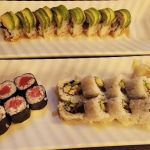 Tomoyama sushi4.0 (767 reviews)
 The Backhouse4.0 (16 reviews)
 Albany Wasabi4.0 (1056 reviews)
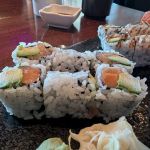 Mt. Fuji Hibachi and Asian Bistro4.0 (354 reviews)
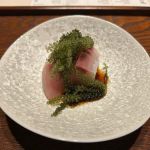 Hayakawa4.0 (401 reviews)
 What Makes Hiro Japanese Restaurant Stand Out Among Japanese Restaurants
 An Insider’s Review of Midori Japanese Restaurant
 What Restaurants in Tokyo Are Japanese Only? Cultural Insights & Real Cases
 What Food Is Served at a Japanese Restaurant?
 What Makes Niu Japanese Restaurant Stand Out Among Japanese Restaurants
 What Makes Asahi Japanese Restaurant Stand Out Among Japanese Restaurants