
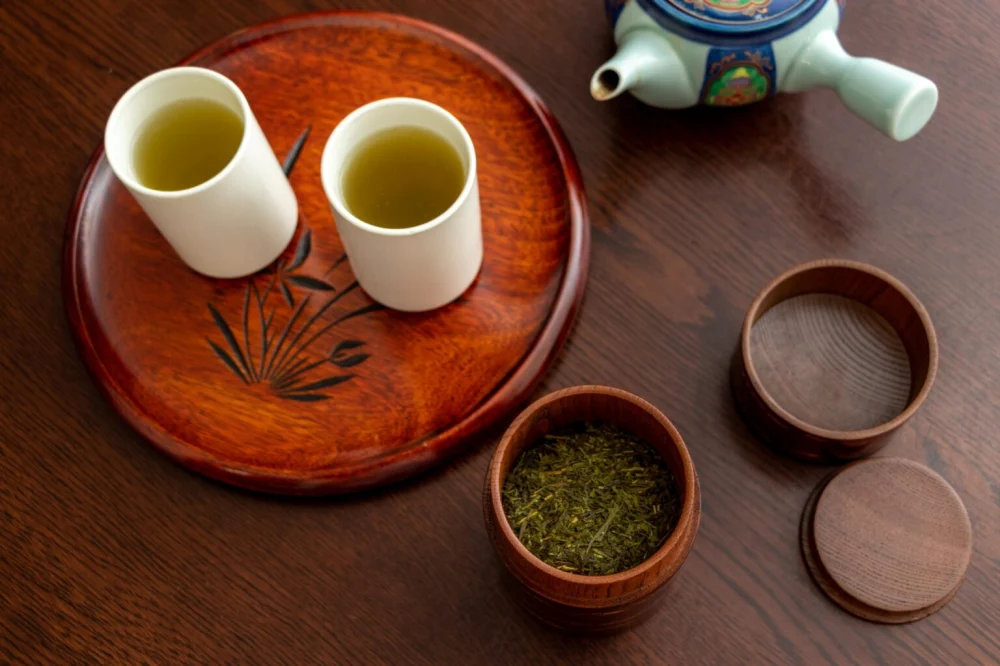
- why-tea-matters-in-japanese-dining
- most-common-types-of-tea-served
- regional-and-seasonal-variations
- cultural-meaning-and-serving-traditions
- experience-authentic-tea-at-japanese-restaurant
1. Why Tea Matters in Japanese Dining
Ask anyone familiar with Japanese cuisine: tea is more than a beverage—it’s part of the experience. In a traditional Japanese restaurant, tea often serves as both a welcome drink and a palate cleanser, setting the tone for your meal. But the real question many first-time diners ask is, what tea do they serve in Japanese restaurants? The answer offers insights into Japan’s culinary and cultural sophistication.
2. Most Common Types of Tea Served
The most frequently served tea in Japanese restaurants is green tea, but within that category, there are several notable varieties:
Sencha: This is the most commonly consumed green tea in Japan. It has a fresh, grassy flavor with a hint of astringency. It’s served hot or cold depending on the season and restaurant type.
Hōjicha: A roasted green tea known for its earthy, caramelized aroma and low caffeine content, making it ideal for evening meals.
Genmaicha: A delightful blend of green tea and roasted brown rice. It’s popular for its nutty taste and gentle balance—often served in family-friendly eateries.
Matcha: While usually reserved for tea ceremonies or premium desserts, some high-end restaurants will serve matcha either as a finishing touch or paired with wagashi (traditional sweets).
Each of these teas brings something different to the table—literally—and reflects the regional and culinary sophistication of the establishment.
3. Regional and Seasonal Variations
Just like ingredients vary by season and region, so does tea. In Kyoto, for example, where tea culture is strong, restaurants may serve high-grade gyokuro or seasonal sencha harvested from nearby Uji. During the summer, chilled barley tea, or mugicha, might appear instead of green tea due to its refreshing, caffeine-free nature.
A friend of mine who dined in a mountain inn in Nagano shared how the tea served was from leaves harvested just down the valley—steeped in mineral-rich spring water. It was earthy and almost smoky, and totally unlike what you’d get at a modern city restaurant.
4. Cultural Meaning and Serving Traditions
Serving tea in a Japanese restaurant is an act of hospitality known as omotenashi. The moment you're seated, warm tea is offered without asking, signifying welcome and care. In more traditional settings, the server may kneel and serve with both hands—a gesture of respect.
Interestingly, tea is rarely sweetened in Japan. It is served to enhance natural flavors, not mask them. Even children are taught to appreciate the subtlety of unsweetened tea—part of a broader appreciation of harmony and minimalism in Japanese cuisine.
5. Experience Authentic Tea at Japanese Restaurant
If you want to explore the real taste of Japanese tea without flying to Tokyo, seek out restaurants that prioritize traditional pairings. At Japanese Restaurant, we carefully source our teas from respected growers and rotate our selections with the seasons.
Whether you’re enjoying a hearty tonkatsu or a refined kaiseki course, the tea served complements your meal and connects you to centuries of culinary tradition. Ask the staff what variety is served and you may discover a new favorite.
 Sapporo Japanese Steakhouse & Revolving Sushi4.0 (1147 reviews)
 Sushi Sumo4.0 (966 reviews)
 Mushi Japanese Food and More5.0 (8 reviews)
 Shoto Japanese Steakhouse & Seafood4.0 (883 reviews)
 Osaka Grill Japanese Cuisine5.0 (7 reviews)
 Miyako's Teriyaki & Wok4.0 (266 reviews)
 Exploring the Menu at Good Japanese Restaurants in NYC: Top Dishes to Try
 How to Say “Where is the Restaurant” in Japanese and Use It Right
 The History and Flavor Behind Akasaka Sushi Korean Japanese Restaurant | Japanese Restaurant
 Explore the Menu at Fugakyu Japanese Restaurant for Craft Drinks & More
 Can You Eat Low Carb at a Japanese Restaurant? Smart Choices to Stay on Track
 The Complete Guide to Dining at Ami Japanese Restaurant: A Unique Experience