
- 1 - navigating-keto-dining-in-a-japanese-restaurant
- 2 - understanding-ingredients-and-hidden-carbs
- 3 - best-dishes-to-order-on-keto-at-a-japanese-restaurant
- 4 - what-to-avoid-if-you-want-to-stay-in-ketosis
- 5 - how-to-communicate-your-dietary-needs-to-staff
- 6 - real-diner-stories-keto-success-at-japanese-restaurants
1. Navigating Keto Dining in a Japanese Restaurant
Staying keto at a Japanese restaurant might seem tricky, but it's surprisingly manageable with the right strategy. Whether you're dining out with friends or looking to keep your macros on track while enjoying authentic Japanese flavors, the key is knowing what to eat at Japanese restaurant keto diners trust. From grilled proteins to light broths, the cuisine actually offers a wealth of low-carb possibilities.
2. Understanding Ingredients and Hidden Carbs
While many Japanese dishes focus on fresh fish, vegetables, and broths, it's easy to fall into carb traps. Sushi rice, sweet sauces like teriyaki or eel sauce, and tempura batter are all high in carbs. Soy sauce itself isn’t off-limits, but some versions may contain wheat—so look for tamari if you're gluten-sensitive. Paying attention to these details helps keto eaters make smarter choices and avoid surprise sugar spikes.
3. Best Dishes to Order on Keto at a Japanese Restaurant
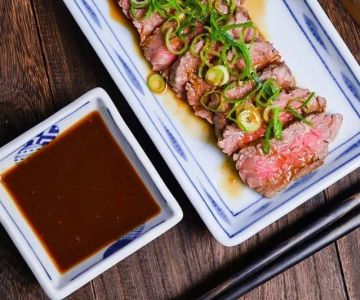
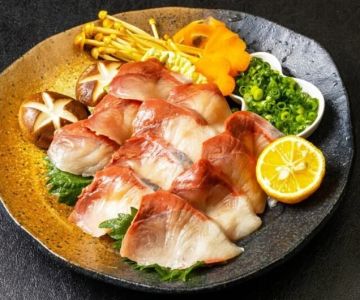
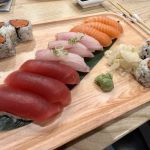
When considering what to eat at Japanese restaurant keto style, focus on simple, clean proteins and vegetables. Sashimi (raw fish without rice) is one of the top choices—think tuna, salmon, or yellowtail. Yakitori skewers (grilled chicken, beef, or vegetables) are also keto-friendly if not glazed in sugary sauces. Miso soup, provided it’s free of noodles or rice, can be a comforting low-carb starter. For main dishes, look for teppanyaki-style grilled meats and stir-fried vegetables without starches. Dining at Japanese Restaurant locations known for fresh, custom options gives you even more control over your plate.
4. What to Avoid if You Want to Stay in Ketosis
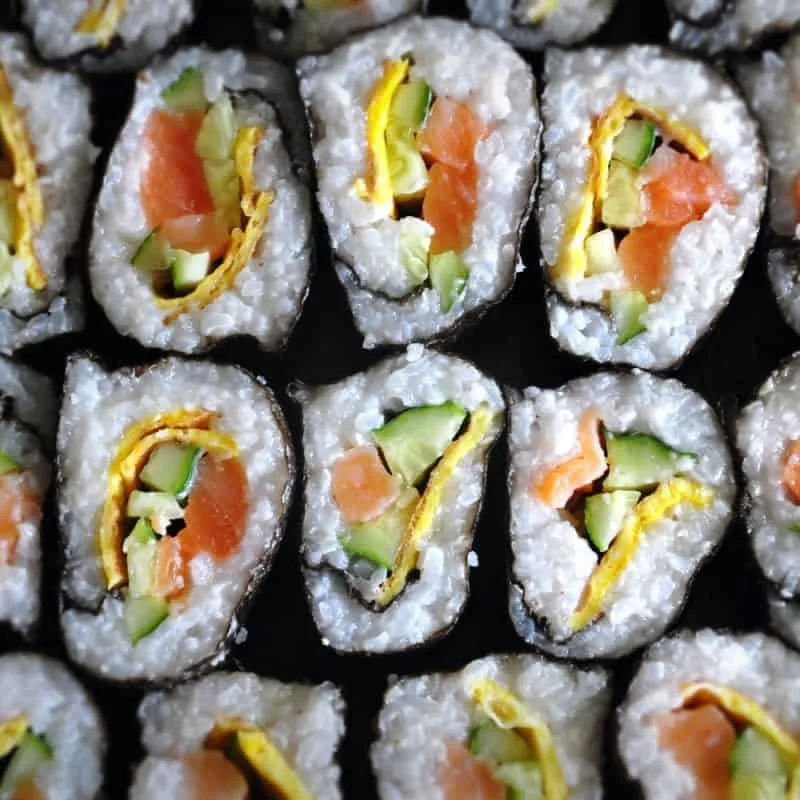
Some dishes sound healthy but are keto pitfalls. Sushi rolls, even with veggies and fish, contain rice as a base and often added sauces. Ramen and udon are noodle-heavy and off the keto list entirely. Be cautious with gyoza, tempura, and breaded katsu—these are flour-coated and deep-fried. Even salads may have sugary dressings. When unsure, request sauces on the side or skip them altogether.
5. How to Communicate Your Dietary Needs to Staff
Clear communication is crucial when dining out keto. Most Japanese restaurants are accustomed to dietary requests, so don’t hesitate to ask for your protein grilled with salt only, or vegetables steamed instead of sautéed with sauce. It helps to say you are avoiding sugar and starches rather than using the term “keto,” which may not always be understood. Staff at quality-focused establishments like Japanese Restaurant are more likely to accommodate specialized requests with care.
6. Real Diner Stories: Keto Success at Japanese Restaurants
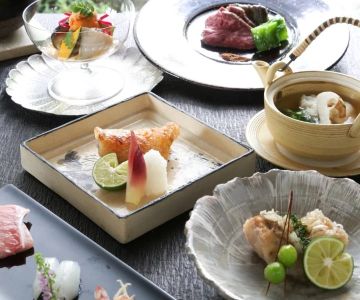
In a recent online thread, a keto community member shared how they dined at a Japanese steakhouse and ordered sashimi, miso soup, and grilled shrimp with butter—ending their meal completely within macro limits. Another user celebrated their birthday at a sushi bar and asked the chef to prepare a no-rice omakase. The chef appreciated the challenge and crafted a custom selection. Stories like these prove that you don’t need to compromise flavor to maintain your keto goals. With preparation and confidence, eating out becomes a pleasure again.
 Koto's4.0 (527 reviews)
 Sum Ramen4.0 (255 reviews)
 Kanbai Japanese Restaurant4.0 (43 reviews)
 a-won4.0 (16 reviews)
 Avocado sushi4.0 (97 reviews)
 Mr Tokyo Japanese Restaurant4.0 (266 reviews)
 Why Locals Recommend Tataki Japanese Restaurant in the US - A Taste of Authenticity
 Signature Sushi and Ramen at Hanaoka Japanese Restaurant
 Why Locals Recommend Yamato Japanese Restaurant in Los Angeles
 What to Order at a Japanese Restaurant: A Guide for First-Time Diners
 The Complete Guide to Dining at Hatsuhana Japanese Restaurant
 Why Goshi Japanese Restaurant SLO Is a Must-Try Spot for Japanese Food Lovers