
- navigating-japanese-restaurants-on-whole30
- understanding-whole30-diet-and-challenges
- whole30-friendly-japanese-dishes-you-can-order
- how-to-read-japanese-menus-on-whole30
- personal-stories-and-real-experiences
- visit-japanese-restaurant-for-curated-whole30-options
1. Navigating Japanese Restaurants on Whole30
Embarking on the Whole30 journey doesn't mean you have to give up dining out. In fact, Japanese restaurants can be a haven for those following Whole30 — if you know what to look for. This guide will walk you through the ins and outs of eating Whole30-compliant at Japanese restaurants, helping you enjoy flavorful meals while staying true to your goals.
2. Understanding the Whole30 Diet and Common Challenges at Restaurants
2.1 What Is Whole30?
Whole30 is a 30-day elimination diet designed to reset your relationship with food. It eliminates sugar, grains, dairy, legumes, alcohol, and processed foods — focusing instead on whole, nutrient-dense ingredients like meats, vegetables, fruits, and healthy fats. The goal is to reduce inflammation, improve digestion, and understand how different foods affect your body.
2.2 Why Restaurants, Especially Japanese Ones, Can Be Tricky
Despite their reputation for fresh, clean eating, Japanese restaurants still pose challenges for Whole30 participants. Soy sauce (which contains soy and wheat), rice, tempura batter, and added sugars in sauces like teriyaki or unagi can all be problematic. It’s crucial to read menus carefully and ask the right questions.
3. Whole30-Friendly Japanese Dishes You Can Order
3.1 Sashimi – The Ultimate Whole30 Japanese Dish
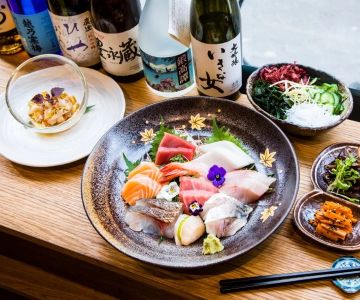
Sashimi, which is simply raw fish without rice, is a Whole30 superstar. Choose fatty fish like salmon, tuna, or mackerel for a nutrient boost. Just make sure it’s served without soy sauce — opt for coconut aminos if available or simply eat it plain with a squeeze of lemon.
3.2 Grilled or Steamed Fish and Vegetables
Dishes like “shioyaki” (salt-grilled mackerel) or grilled salmon are often free from non-compliant ingredients. Pair them with steamed vegetables or a side of pickled daikon (ask to ensure there’s no sugar or mirin).
3.3 Tsukemono and Nimono – Pickled and Simmered Items
While pickled vegetables can be tricky due to sugar, some traditional Japanese pickles like shiozuke (salt-pickled) are compliant. Nimono (simmered vegetables) may contain soy or mirin, so ask for ingredient details.
3.4 Yakitori (Grilled Skewers)
Yakitori can be a Whole30 delight if prepared simply. Request salt-grilled skewers instead of those glazed with tare sauce. Go for chicken thighs, mushrooms, green peppers, or asparagus wrapped in pork belly.
4. How to Read Japanese Menus and Ask the Right Questions
4.1 Spotting Hidden Soy, Sugar, and Additives
Common additives like miso (fermented soy), mirin (sweet rice wine), and dashi (fish stock with soy) often hide in soups and sauces. When in doubt, ask for the dish to be prepared without sauce or seasoning.
4.2 Questions You Can Ask to Ensure Compliance
Train yourself to ask things like: “Is this cooked with soy sauce?” or “Does this contain sugar or mirin?” A polite but direct inquiry can save your Whole30. If the server is unsure, choose the simplest dish on the menu.
4.3 Pro Tip: Use Japanese Terms to Your Advantage
Learning terms like “shio” (salt), “sumiso” (vinegar-miso dressing), or “tare” (sweet soy glaze) will help you make better decisions. Go for dishes labeled with “shio” and avoid anything with “teriyaki” or “unagi.”
5. Personal Stories and Real Experiences
5.1 A Whole30 Enthusiast’s First Sushi Bar Visit
One Whole30 follower shared how she navigated a Tokyo sushi bar by sticking to sashimi, requesting lemon wedges, and bringing her own coconut aminos. Not only did she feel great afterward, but the sushi chef appreciated her health-conscious approach.
5.2 When in Doubt, Customize
Another user mentioned going to a local izakaya where they allowed custom grilled skewers — no sauce, just meat and vegetables. It turned out to be one of the most satisfying meals of her Whole30.
6. Visit Japanese Restaurant for Curated Whole30 Options
If you're tired of trying to figure out what’s compliant and what’s not, you can visit Japanese Restaurant — where we’ve curated Whole30-friendly dishes and ingredient combinations for health-conscious diners. Whether you're new to Whole30 or in your second round, our menus offer flavor, variety, and full compliance, helping you enjoy Japanese cuisine without compromise.
 Fuji Grill4.0 (220 reviews)
 Tomoyama sushi4.0 (767 reviews)
 The Backhouse4.0 (16 reviews)
 Albany Wasabi4.0 (1056 reviews)
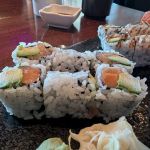 Mt. Fuji Hibachi and Asian Bistro4.0 (354 reviews)
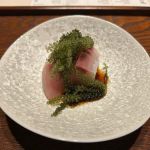 Hayakawa4.0 (401 reviews)
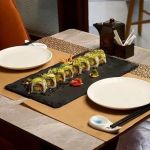 What Makes Hiro Japanese Restaurant Stand Out Among Japanese Restaurants
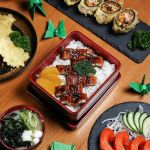 An Insider’s Review of Midori Japanese Restaurant
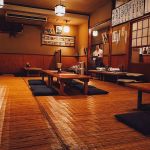 What Restaurants in Tokyo Are Japanese Only? Cultural Insights & Real Cases
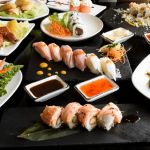 What Food Is Served at a Japanese Restaurant?
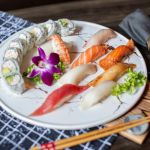 What Makes Niu Japanese Restaurant Stand Out Among Japanese Restaurants
 What Makes Asahi Japanese Restaurant Stand Out Among Japanese Restaurants