
- understanding-the-japanese-restaurant-menu-layout
- sushi-and-sashimi-what-to-know-before-you-order
- hot-japanese-dishes-beyond-raw-fish
- seasonal-specialties-and-regional-japanese-favorites
- personal-stories-and-dining-tips-from-japanese-food-lovers
1. Understanding the Japanese Restaurant Menu Layout
1.1 The Traditional Menu Sections
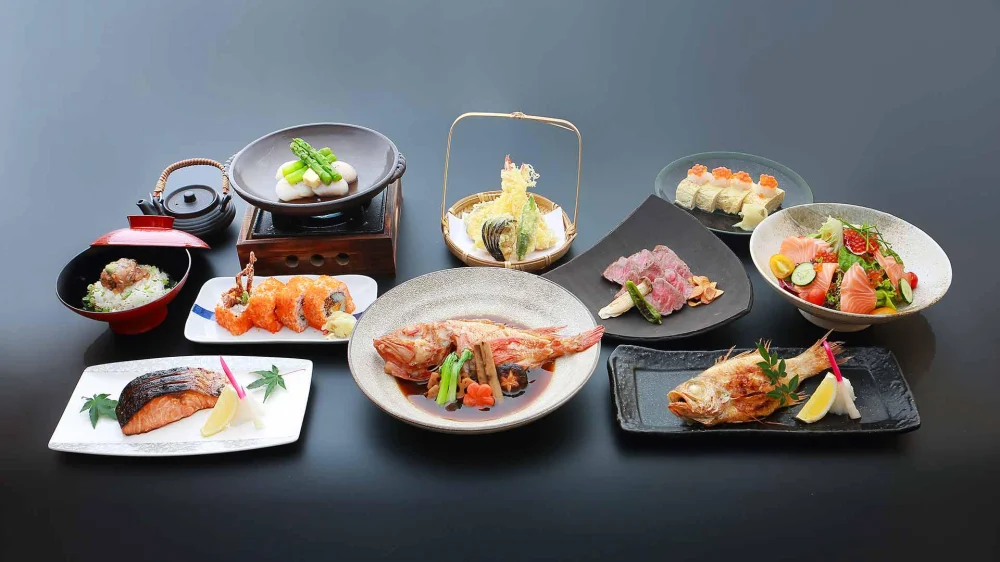
Walking into a Japanese restaurant can be both exciting and overwhelming, especially if you're not familiar with the menu structure. Typically, Japanese menus are divided into cold dishes (like sushi and sashimi), hot meals (such as ramen, donburi, or teppanyaki), and sides or starters (edamame, miso soup, gyoza). Understanding the layout helps you choose dishes that balance flavor and texture.
1.2 Navigating with Confidence
If the menu is only in Japanese or includes unfamiliar terms like “takoyaki” or “kushiyaki,” don’t be intimidated. Many restaurants include photos or have staff ready to explain. Remember, you don’t need to order everything at once—Japanese dining is often about sharing and tasting multiple small dishes over time.
2. Sushi and Sashimi: What to Know Before You Order
2.1 Nigiri, Maki, and Sashimi Differences
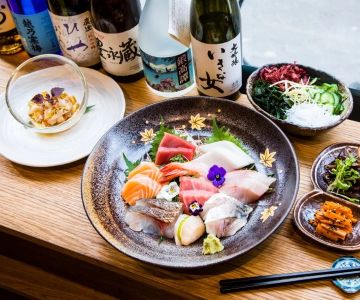
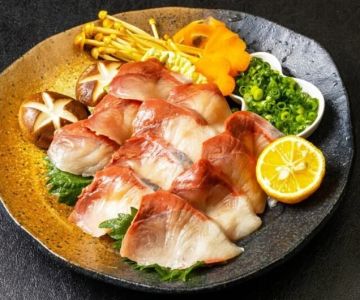
Sushi isn't just one thing. Nigiri is hand-formed rice topped with fish, sashimi is raw fish served without rice, and maki is rolled sushi wrapped in seaweed. Each type offers a different texture and intensity of flavor. Beginners often start with maki rolls before moving to sashimi, which can feel more “advanced” due to its pure fish taste.
2.2 Popular and Safe Picks
For those new to Japanese food and wondering what to eat in a Japanese restaurant, safe bets include salmon nigiri, California rolls, or spicy tuna maki. These are flavorful but mild. Adventurous eaters may try uni (sea urchin) or toro (fatty tuna), which are delicacies prized for their creamy textures.
2.3 Wasabi and Soy Etiquette
Mixing wasabi into soy sauce is common in the West but frowned upon in traditional Japanese settings. Instead, place a bit of wasabi on the fish, then dip it lightly in soy—fish side first. These small cultural notes help you appreciate the cuisine more deeply.
3. Hot Japanese Dishes Beyond Raw Fish
3.1 Ramen and Udon: Noodle Comforts
Japanese noodle dishes are deeply comforting. Ramen comes in varieties like shoyu (soy), tonkotsu (pork bone broth), and miso. Udon noodles are thicker and often served in a clear dashi-based broth. Both are filling and flavorful options, especially in colder seasons.
3.2 Donburi and Rice Bowls
Donburi is a rice bowl topped with meat or vegetables. Options include gyudon (beef), katsudon (pork cutlet), and unadon (grilled eel). It’s the perfect choice if you want something hearty and cooked, without diving into raw fish territory.
3.3 Tempura and Teppanyaki
Tempura offers light, crispy battered shrimp or vegetables, served with dipping sauce. It’s a favorite for kids and adults alike. Teppanyaki, often prepared on an iron griddle in front of guests, delivers a fun dining experience with steak, shrimp, or chicken cooked to order.
4. Seasonal Specialties and Regional Japanese Favorites
4.1 Embracing the Seasons
Japanese cuisine is deeply seasonal. In spring, you might find sakura (cherry blossom) flavored desserts or bamboo shoots in savory dishes. In winter, nabe (hot pot) dishes like sukiyaki or shabu-shabu are comforting communal meals perfect for sharing.
4.2 Regional Dishes Worth Exploring
Different regions of Japan have unique specialties. Osaka is known for takoyaki (octopus balls), Hiroshima for okonomiyaki (savory pancakes), and Hokkaido for miso ramen and seafood. If your local Japanese restaurant offers regional items, don’t hesitate to ask about them—they might just surprise you.
4.3 Chef’s Recommendations
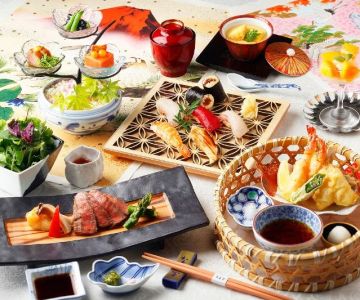
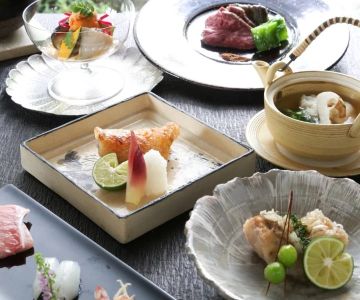
Some Japanese restaurants feature a “chef’s choice” or omakase menu. This is a curated experience where the chef selects seasonal and premium dishes for you. It’s ideal if you trust the restaurant’s quality and want to be surprised by flavors you may not choose on your own.
5. Personal Stories and Dining Tips from Japanese Food Lovers
5.1 A First-Time Diner’s Experience
Jessica, a self-proclaimed sushi skeptic, shared how her first real Japanese restaurant visit in Los Angeles changed her view completely. She started with miso soup and shrimp tempura, then moved to a salmon avocado roll. “It wasn’t just about raw fish. It was clean, light, and delicious—I didn’t feel heavy afterward like with fast food.”
5.2 Learning Through Sharing
Many experienced diners suggest going with a group and ordering a variety of dishes to share. It makes the experience more fun and lets you explore flavors without committing to a full serving of something unfamiliar.
5.3 Where to Start Your Journey
If you’re still not sure what to eat in a Japanese restaurant, start by visiting a well-reviewed place with a wide variety of options. Japanese Restaurant provides curated menus, chef insights, and honest reviews to help newcomers find the most delicious, approachable dishes in their area.
 Sakana Sushi4.0 (243 reviews)
 Teriyaki Way3.0 (60 reviews)
 I Love Ramen4.0 (381 reviews)
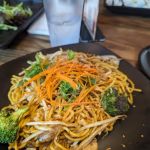 IYA Sushi and Noodle Kitchen - Amherst4.0 (218 reviews)
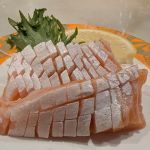 Izumi Revolving Sushi4.0 (472 reviews)
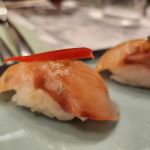 FinBar Sushi NYC4.0 (49 reviews)
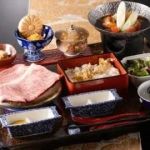 Why Mt. Fuji Japanese Restaurant Is a Must-Try Spot for Japanese Food Lovers
 How to Make Restaurant Reservations in Japanese for a Smooth Dining Experience
 The Complete Guide to Dining at Domo Japanese Country Food Restaurant
 A Foodie’s Experience at Goshi Japanese Restaurant SLO - Authentic Japanese Dining in San Luis Obispo
 Top Dishes You Should Order at Yōki Japanese Restaurant & Bar Ramen & Sushi Place
 Why Are There Waving Cat Figurines in Japanese Restaurants?