
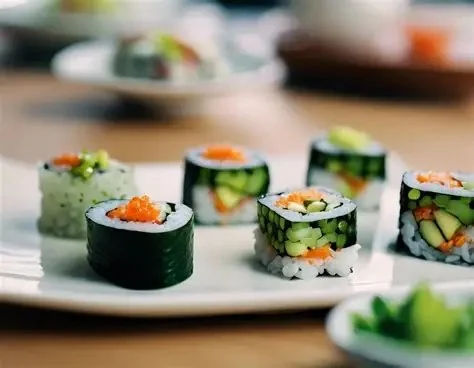
What to Say When Entering a Japanese Restaurant: A Complete Guide
- 1-How to Greet When You Enter a Japanese Restaurant
- 2-Common Phrases Used in Japanese Restaurants
- 3-Understanding Japanese Table Etiquette
- 4-Special Ordering Terms in Japanese Restaurants
- 5-Tips for Foreigners Dining in Japanese Restaurants
1-How to Greet When You Enter a Japanese Restaurant
In Japanese culture, greetings are very important. When entering a Japanese restaurant, the first thing you’ll likely hear is "いらっしゃいませ" (Irasshaimase), which means “Welcome.” It’s customary to bow slightly in response, acknowledging the greeting. As a customer, you don’t need to say much, but a simple “ありがとうございます” (Arigatou gozaimasu) after your meal, which means “thank you,” is always appreciated.
2-Common Phrases Used in Japanese Restaurants
Here are a few key phrases that can enhance your experience when dining in a Japanese restaurant:
2.1 "Sumimasen" – Excuse Me
If you need to get the attention of a waiter or need assistance, “Sumimasen” (すみません) is the phrase you should use. It’s polite and commonly used to get someone’s attention without being intrusive.
2.2 "Okanjo onegaishimasu" – The Bill, Please
When you're ready to pay, simply say “Okanjo onegaishimasu” (お勘定お願いします), which means “The bill, please.” It’s the standard phrase to ask for your check in a Japanese restaurant.
2.3 "Mizu wo kudasai" – Please Bring Water
If you need water during your meal, use this phrase: “Mizu wo kudasai” (水をください), which directly translates to “Please bring water.” Japanese restaurants are usually very attentive to your needs, but it’s good to know how to ask if needed.
3-Understanding Japanese Table Etiquette
Japanese dining culture has specific etiquette that might differ from what you’re used to. Here's an overview of what to expect:
3.1 Proper Use of Chopsticks
One of the key components of Japanese dining etiquette is the proper use of chopsticks. Avoid sticking them upright into your rice, as this resembles a funeral custom. Instead, place them gently on the chopstick rest or lay them parallel across your bowl or plate.
3.2 "Itadakimasu" – Saying Grace Before Eating
Before starting your meal, it’s customary to say “Itadakimasu” (いただきます), which translates to “I humbly receive.” This expression is an appreciation for the food and the effort involved in preparing it. At the end of the meal, “Gochisousama deshita” (ごちそうさまでした) is said to thank the chef.
4-Special Ordering Terms in Japanese Restaurants
When ordering food, knowing a few specific terms can make your experience smoother:
4.1 "Teishoku" – Set Meals
In many Japanese restaurants, a set meal is referred to as “Teishoku” (定食). These meals typically include rice, soup, and a main dish, along with smaller sides.
4.2 "A la carte" Ordering
If you prefer to order individual dishes, you can use “A la carte,” but in Japanese restaurants, ordering from the menu directly is more common. You can say, “Kono menu wo onegaishimasu” (このメニューをお願いします), which means “I would like this from the menu, please.”
5-Tips for Foreigners Dining in Japanese Restaurants
Dining in a Japanese restaurant can be a delightful experience. Here are some helpful tips for foreigners to ensure you have an enjoyable time:
5.1 Be Prepared to Remove Your Shoes
In certain traditional Japanese restaurants, you may be asked to remove your shoes before entering a dining area. Be prepared for this by wearing socks or clean feet.
5.2 Don’t Tip
Unlike in many Western countries, tipping is not customary in Japan. Excellent service is already included in the price, and leaving a tip might be seen as rude or confusing.
5.3 Respect for Silence
Japanese culture values a peaceful, quiet dining experience. While it’s okay to converse, loud or boisterous behavior is generally frowned upon. Keep your voice at a moderate level, and be respectful of other diners.
 Fuji Japanese Restaurant4.0 (226 reviews)
 Niko Niko Sushi4.0 (237 reviews)
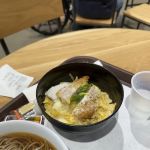 Miyabi Tei4.0 (67 reviews)
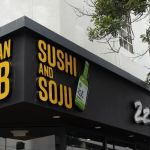 Zzan Sushi & Soju - Downtown4.0 (235 reviews)
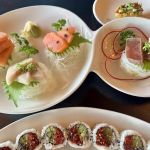 Sushi Mo4.0 (1228 reviews)
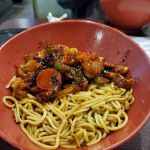 Golden Grill Mongolian & Japanese Cuisine4.0 (268 reviews)
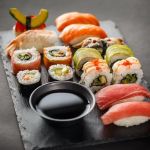 How Many Japanese Restaurants Are in America? A Look at U.S. Japanese Cuisine Growth
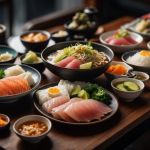 Can You Eat Low Carb at a Japanese Restaurant?
 Why Nagomi Japanese Restaurant Is a Must-Try Spot for Japanese Food Lovers
 Why Locals Recommend Sarku Japanese Restaurant for Authentic Dining
 The Complete Guide to Dining at Taki Japanese Restaurant Dunwoody
 Why Wako Japanese Restaurant Is a Must-Try Spot for Japanese Food Lovers