
- 1-common-japanese-dressings
- 2-ingredients-and-flavor-profiles
- 3-how-dressings-are-used-in-dishes
- 4-real-life-experience-with-japanese-dressings
- 5-finding-quality-japanese-dressings-and-restaurants
1. Common Types of Dressing Used in Japanese Restaurants
When wondering what type of dressing is used in Japanese restaurants, the first to come to mind is the classic wafu dressing. This soy sauce-based vinaigrette combines soy sauce, rice vinegar, sesame oil, and sometimes grated ginger or citrus to create a light yet flavorful dressing that perfectly complements fresh greens.
Another popular option is sesame dressing, rich and creamy with toasted sesame seeds or tahini as a base, providing a nutty depth often paired with salads or cold tofu dishes.
Ginger dressing is also frequently offered, featuring freshly grated ginger mixed with soy sauce, rice vinegar, and a touch of sweetness, delivering a refreshing and slightly spicy note.
2. Ingredients and Flavor Profiles of Japanese Dressings
Japanese dressings are characterized by a balance of savory, sweet, tangy, and umami flavors. Soy sauce provides the salty and umami foundation, while rice vinegar or citrus adds acidity. Sweetness often comes from mirin or sugar, and the addition of fresh ginger, garlic, or sesame enhances complexity.
Unlike Western creamy dressings, many Japanese dressings are lighter and emphasize freshness, making them ideal for enhancing rather than overpowering the natural flavors of ingredients.
3. How Dressings Are Used in Japanese Dishes
Japanese dressings are most commonly served with salads, either simple green salads or mixed with ingredients like seaweed, daikon, or tofu. They also appear as dipping sauces for dishes such as tempura or cold noodles.
Some restaurants use these dressings creatively in fusion dishes, but traditional Japanese restaurants tend to keep the flavors authentic and straightforward.
4. Real-Life Experience: Enjoying Japanese Dressings at Restaurants
A diner once shared their first encounter with Japanese sesame dressing at a local Japanese restaurant. They were surprised by the creamy texture combined with a delicate nuttiness that was unlike any dressing they had tasted before. This experience sparked their curiosity to explore other Japanese dressings and deepen their appreciation for Japanese culinary traditions.
5. Finding Quality Japanese Dressings and Restaurants
If you want to explore authentic Japanese dressings and dishes, Japanese Restaurant is a great resource to find recommended venues serving genuine flavors. Whether you’re seeking a traditional wafu salad or innovative dishes with ginger dressing, you can trust the listings to guide you toward quality experiences.
Understanding what type of dressing is used in Japanese restaurants enhances your dining experience and helps you appreciate the subtle art of Japanese cuisine.
 Genki Sushi4.0 (366 reviews)
 Misako Asian Cuisine4.0 (589 reviews)
 Ramen Mik4.0 (193 reviews)
 Blue Sushi Sake Grill4.0 (1719 reviews)
 Akiyo Hibachi Japanese Restaurant4.0 (321 reviews)
 Flying Fish Sushi Chattahoochee Food Works4.0 (51 reviews)
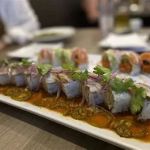 A Foodie’s Experience at Yutaka Japanese Restaurant | Japanese Restaurant
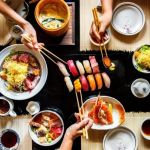 An Insider’s Review of Fujiyama Japanese Restaurant: A Must-Try Dining Experience
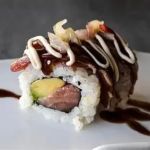 What Is a California Roll at a Japanese Restaurant? Full Guide to This Sushi Classic
 A Foodie’s Experience at a Japanese Curry Restaurant – A Journey of Flavor
 Signature Sushi and Ramen at Oishi Japanese Restaurant
 What Makes Aki Japanese Restaurant Stand Out Among Japanese Restaurants