
What Type of Rice Do Japanese Restaurants Use?
- Introduction to Japanese Rice Varieties
- The Different Types of Rice Used in Japanese Restaurants
- How Japanese Rice is Cooked for Perfect Texture
- Why Japanese Rice Has a Unique Flavor
- Where to Buy Authentic Japanese Rice
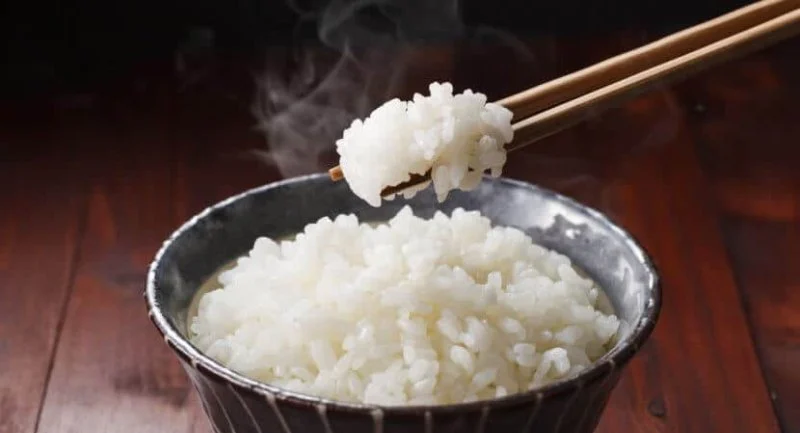
When dining at a Japanese restaurant, one of the most essential elements of the meal is the rice. Known for its sticky texture and subtle flavor, rice in Japanese cuisine is far from just a side dish; it plays a central role in many dishes like sushi, donburi, and onigiri. But what type of rice do Japanese restaurants use to achieve that signature texture and taste? In this article, we will explore the varieties of rice used in Japanese restaurants, how it’s cooked, and why it has its unique characteristics.
The most common type of rice used in Japanese restaurants is Japonica rice. Japonica rice is short-grain rice that is stickier than long-grain varieties. It’s this stickiness that gives the rice its unique texture, making it perfect for holding together in sushi and other dishes. While there are different varieties of Japonica rice, the two most widely used are Koshihikari and Sasanishiki.
Koshihikari Rice
Koshihikari is often considered the gold standard of Japanese rice. Known for its excellent texture and natural sweetness, it’s grown primarily in the Niigata and Fukushima regions of Japan. This rice is highly prized for its soft, yet slightly firm texture when cooked. Its slightly sticky consistency makes it ideal for sushi, where each grain clings together without becoming overly mushy.
Sasanishiki Rice
Sasanishiki is another popular variety of Japonica rice used in Japanese restaurants. It’s known for its slightly less sticky texture compared to Koshihikari but still maintains the same soft and moist quality. This rice is commonly used for dishes like donburi (rice bowls) and is especially popular for its ability to maintain its texture when served as leftovers, making it an excellent choice for rice dishes that require reheating.
The way rice is cooked plays a significant role in achieving the perfect texture that Japanese restaurants are known for. Most Japanese rice is washed thoroughly before cooking to remove excess starch, which helps the rice achieve a perfect consistency. It’s typically cooked in a rice cooker or a pot, with a specific water-to-rice ratio depending on the type of rice used. For sushi rice, the cooked rice is also seasoned with a mixture of vinegar, sugar, and salt, adding flavor and helping it maintain its form.
Japanese restaurants often use specialized rice cookers to ensure the rice is cooked perfectly every time. These cookers are designed to cook rice at the ideal temperature, ensuring it’s fluffy, sticky, and flavorful. For dishes like sushi, the rice is allowed to cool to room temperature before being used to ensure it has the right texture for shaping into sushi rolls or balls.
The unique flavor of Japanese rice comes from both its specific variety and the way it’s cultivated. Unlike many other types of rice, Japanese rice has a natural sweetness that complements the delicate flavors of the dishes it accompanies. The slightly sticky texture also helps it absorb sauces and seasonings, allowing the rice to act as a base that enhances the overall flavor profile of the meal.
Additionally, the high-quality rice grown in Japan, such as Koshihikari, is often cultivated in mineral-rich soils, which contributes to its rich, complex flavor. The specific climate and cultivation methods used in Japan also play a role in the distinct taste and texture of the rice served in Japanese restaurants.
If you’re looking to make authentic Japanese dishes at home, it’s important to buy the right type of rice. You can find Koshihikari and other Japonica rice varieties at Asian grocery stores, specialty food shops, or online retailers. When shopping for Japanese rice, be sure to look for reputable brands known for high-quality products to ensure you get the right texture and flavor for your dishes.
For those seeking the best products to make authentic Japanese dishes, visit Japanese Restaurant for a curated selection of high-quality rice, tools, and ingredients to perfect your cooking.
 Fuji Grill4.0 (220 reviews)
 Tomoyama sushi4.0 (767 reviews)
 The Backhouse4.0 (16 reviews)
 Albany Wasabi4.0 (1056 reviews)
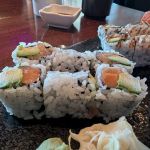 Mt. Fuji Hibachi and Asian Bistro4.0 (354 reviews)
 Hayakawa4.0 (401 reviews)
 What Makes Hiro Japanese Restaurant Stand Out Among Japanese Restaurants
 An Insider’s Review of Midori Japanese Restaurant
 What Restaurants in Tokyo Are Japanese Only? Cultural Insights & Real Cases
 What Food Is Served at a Japanese Restaurant?
 What Makes Niu Japanese Restaurant Stand Out Among Japanese Restaurants
 What Makes Asahi Japanese Restaurant Stand Out Among Japanese Restaurants