
- -origins-of-japanese-dining-#origins
- -edo-sushi-stalls-to-restaurant-culture-#edo
- -first-overseas-openings-#overseas
- -american-milestone-1889-#america
- -london-s-first-japanese-restaurant-#london
- -heritage-experience-today-#experience
1 Origins of Japanese Dining
1.1 Kyoto’s 1465 Pioneer When people ask “when were the first Japanese restaurant opened”, historians often point to Honke Owariya, founded in Kyoto in 1465 and still serving soba today. Its six-century run illustrates the deep roots of commercial dining in Japan.
1.2 From Teahouses to Ryōtei During the Edo period (1603-1868), urban teahouses evolved into full-service ryōtei, where seasonal kaiseki menus codified today’s omotenashi ethos.
1.3 Royal & Commoner Appeal Records show Owariya delivered soba to the imperial palace as early as the 17th century, while cart vendors fed merchants—proof that Japanese restaurants bridged class lines long before fast food existed.
2 Edo Sushi Stalls Turn Restaurants
2.1 Hanaya Yohei’s 1824 Breakthrough In Ryogoku, Edo, chef Hanaya Yohei opened a sushi stall in 1824, popularizing hand-pressed nigiri that could be eaten standing up—Japan’s first true “fast-food” restaurant.
2.2 From Boxes to Brick-and-Mortar Within decades, yatai (street boxes) gave way to permanent sushi houses, marking the moment when sushi became a sit-down, ticketed experience.
2.3 Culinary Standardization By the late 19th century, three Edo shops—Yoheizushi, Matsunosushi, and Sasamaki—had standardized fish aging, rice vinegar ratios, and knife work that still define Edomae style.
3 First Overseas Openings
3.1 Exhibitions & Pop-Ups Temporary Japanese pavilions at world fairs introduced sukiyaki and tempura to curious Westerners in the 1870s and 1880s.
3.2 Permanent Footprints Private clubs like London’s Nippon Club (1881) fed expatriates, foreshadowing public restaurants that would follow decades later.
3.3 Migration & Meiji Diplomacy The Meiji government actively sponsored culinary ambassadors abroad, seeding demand for authentic Japanese dining long before sushi’s global boom.
4 American Milestone—New York City, 1889
4.1 84 James Street Opening According to Harper’s Weekly, the first documented Japanese restaurant in the United States opened on New York’s Lower East Side in the summer of 1889, offering raw fish, rice, and sake to adventurous Gilded-Age diners.
4.2 Impact on Immigration This tiny eatery became a social hub for Japan’s earliest arrivals, laying cultural groundwork for West Coast sushi bars that flourished after the 1907 Gentlemen’s Agreement.
4.3 Legacy in Today’s Omakase Scene Many modern NYC omakase counters cite the 1889 pioneer when tracing their culinary genealogy, underscoring its enduring influence.
5 London’s First Public Japanese Restaurant—1972
5.1 Hiroko on Bond Street While exhibition pop-ups appeared earlier, London’s first permanent, publicly accessible Japanese restaurant—Hiroko—opened in 1972, sparking Britain’s long-term fascination with sushi and ramen.
5.2 Breaking the Steak-and-Ale Mold Press reviews from the era noted Hiroko’s minimalist design and raw-fish menu as a radical departure from traditional British dining, paving the way for today’s Michelin-starred Japanese kitchens.
5.3 Cultural Ripple Within five years, more than a dozen Japanese eateries dotted central London, proving pent-up demand for authentic Far-East flavors.
6 Heritage Experience Today
6.1 Why History Still Matters Knowing when the first Japanese restaurant opened enriches every bite—whether you slurp 550-year-old Owariya soba or reserve a 6-seat Edo-style counter in Brooklyn.
6.2 Traveler Tip Plan pilgrimages around anniversaries: Owariya’s autumn soba festival or Yoheizushi’s spring neta showcase offer immersive history you can actually taste.
6.3 Curated Assistance For venue maps, reservation hacks, and artisan condiments that echo centuries of craft, explore Japanese Restaurant—our trusted hub connecting food lovers to authentic experiences worldwide.
 Toshi's Teriyaki3.0 (148 reviews)
 Moshi Moshi Sushi & Izakaya4.0 (769 reviews)
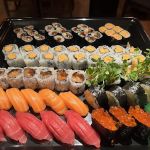 Aloha Sushi4.0 (38 reviews)
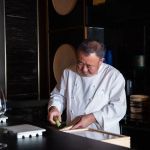 WAKUDA Omakase Room & Bar3.0 (3 reviews)
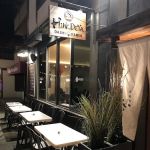 HINODEYA Ramen Japantown4.0 (2720 reviews)
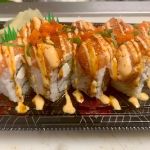 Oshiki Japan (Quail Springs Mall)3.0 (43 reviews)
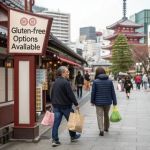 Is Japanese Restaurant Good for Celiac People? Tips for Dining Gluten-Free
 Why Taki Japanese Restaurant is a Must-Try Spot for Japanese Food Lovers
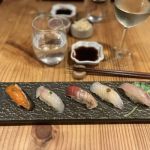 Exploring the Menu at Sasa Japanese Restaurant in the U.S.
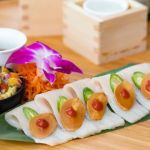 Why Locals Recommend Miyako Japanese Restaurant
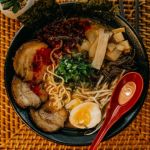 Signature Sushi and Ramen at Izumi Japanese Restaurant
 The Complete Guide to Dining at Azuma Japanese Restaurant in the USA