
- cultural-roots-of-sunday-closures-in-japanese-restaurants
- staffing-and-family-values-in-japanese-cuisine
- economic-and-operational-factors
- impact-on-customers-and-how-to-prepare
- finding-open-japanese-restaurants-on-sundays
1. Cultural Roots of Sunday Closures in Japanese Restaurants
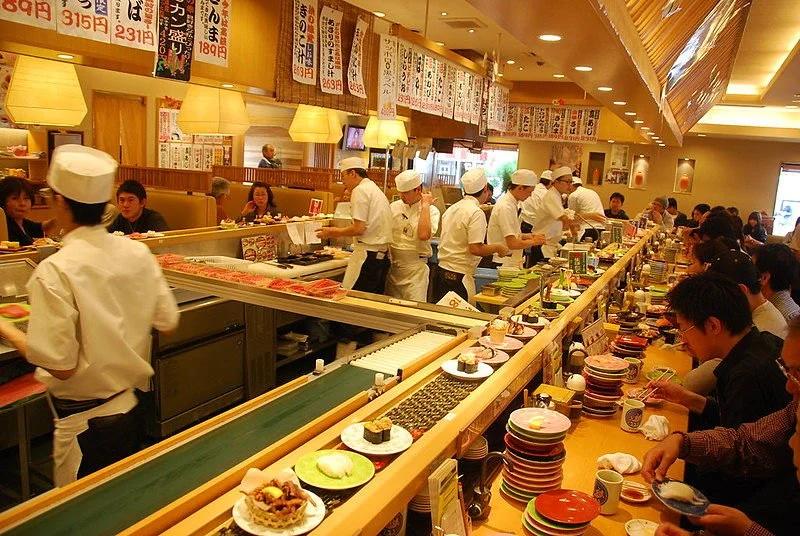
It may come as a surprise, especially for new diners in the U.S., to find that some Japanese restaurants are closed on Sundays — a day many Western restaurants consider peak business time. But this practice is not random. In fact, it often stems from deep-rooted cultural values and traditions that influence business operations, particularly in family-owned establishments.
In Japanese culture, Sundays are historically a time reserved for rest and family. While Japan isn’t predominantly Christian, the concept of a “day of rest” has long been respected across industries, especially in small-scale, community-centered businesses. Japanese restaurant owners, both in Japan and abroad, often carry this mindset with them, prioritizing well-being over profit at least one day a week.
2. Staffing and Family Values in Japanese Cuisine
2.1 Family-Run Operations
Many authentic Japanese restaurants in the U.S. are family-run — meaning the head chef might also be the owner, server, and bookkeeper. Running a traditional Japanese kitchen is both physically and mentally demanding, especially when excellence is expected in every dish. For these owners, closing on Sunday is a chance to breathe, connect with family, and reset before the next busy week.
2.2 A Balance Between Work and Life
Unlike in some Western business models where maximizing customer foot traffic on weekends is paramount, Japanese work culture, particularly in small business ownership, often values sustainable rhythm and rest. As a result, some restaurant owners choose to close on Sundays not because of low customer demand, but because they prioritize long-term quality — both in food and in life.
3. Economic and Operational Factors
3.1 Limited Skilled Labor
Authentic Japanese cuisine requires highly trained chefs, often with years of apprenticeship. Hiring and retaining such talent — especially those willing to work weekends — can be challenging. Instead of risking quality with under-trained Sunday staff, some owners prefer to shut down for the day.
3.2 Fresh Ingredient Sourcing
High-end sushi and sashimi depend on ultra-fresh fish. Many Japanese restaurants receive their fresh shipments during the week, and by Sunday, supplies may be lower or less optimal. Rather than compromise freshness, some chefs choose to close and restock the following day — an act of culinary integrity.
4. Impact on Customers and How to Prepare
For diners who crave ramen or sushi on a lazy Sunday, closures can be frustrating. But understanding the cultural and operational logic behind it helps manage expectations. If you’re planning a weekend outing, check business hours in advance — many restaurants now post accurate times on social media or Google.
Better yet, treat Sunday as a chance to try a new cuisine and save your Japanese dining experience for Monday, when restaurants are refreshed and ready to serve their best.
5. Finding Open Japanese Restaurants on Sundays
Not all Japanese restaurants are closed on Sundays — especially in urban areas where customer flow is high and staff size allows rotation. To avoid disappointment, consider checking trusted platforms like Japanese Restaurant, where you can discover operating hours, chef specialties, and even book a seat in advance.
Whether you’re searching for sushi in San Francisco or udon in Austin, the site helps you find authentic spots — including those open on Sundays — without compromising on quality or culture.
 Ichi Japanese cuisine4.0 (164 reviews)
 Sarku Japan4.0 (249 reviews)
 Nami Sushi4.0 (634 reviews)
 Amazing Katsu4.0 (77 reviews)
 Sawa Sushi3.0 (122 reviews)
 Daruma North Sarasota - Japanese Steakhouse & Sushi Lounge4.0 (1254 reviews)
 What Soup Do They Serve at Japanese Restaurants? A Guide to Authentic Flavors
 Is There Still a Japanese Restaurant? Exploring the Cultural Revival Across the U.S.
 Why Locals Recommend Japanese Restaurants in Boston
 Why Akira Japanese Restaurant Is a Must-Try Spot for Japanese Food Lovers
 Why Locals Recommend Orchid Japanese Restaurant for Authentic and High-Quality Dining
 Why Locals Recommend Good Japanese Restaurants in NYC