
1. Common Practice of Closing on Tuesdays
One frequently asked question by diners is why do Japanese restaurants close on Tuesdays. This practice is surprisingly common in Japanese eateries both in Japan and abroad. While it may seem unusual at first, there are several practical and cultural reasons behind choosing Tuesday as a rest day.
Many Japanese restaurants pick Tuesday to close because it tends to be a slower business day following the weekend rush and Monday’s customer flow. This allows staff and management to regroup and prepare for the busy midweek and weekend periods.
1.1 Tuesday as a Midweek Break
Closing on Tuesday creates a natural break in the weekly cycle, helping the restaurant maintain a sustainable pace. This is particularly important in the demanding hospitality industry, where long hours and high customer volume can quickly lead to burnout without scheduled rest.
2. Historical and Cultural Reasons
Historically, the concept of designated rest days has deep roots in Japanese culture. Many traditional businesses, including restaurants, align their schedules with customs and community rhythms. Tuesday often falls on a day with fewer social activities, making it a logical choice for a break.
In Japan, the idea of “Teikyūbi” (定休日) refers to fixed holidays for shops and restaurants, and Tuesday is a popular choice. This cultural norm has carried over to Japanese restaurants globally, helping preserve tradition and operational balance.
2.1 Community and Supplier Coordination
Choosing Tuesday for closure also aligns with supplier delivery schedules and community business hours, facilitating smooth logistics and restocking without interrupting peak service days.
3. Operational Benefits for Japanese Restaurants
Beyond cultural reasons, there are clear operational advantages to closing on Tuesdays. Staff receive a guaranteed day off to recover, improving morale and performance. The kitchen can undergo deep cleaning and maintenance on a quiet day, ensuring high standards of hygiene and safety.
Furthermore, managers use this time to train staff, plan menus, or conduct inventory checks, which are difficult to perform during busy periods.
3.1 Enhancing Customer Experience
By maintaining well-rested staff and a well-prepared kitchen, Japanese restaurants ultimately deliver better service and food quality to customers, reinforcing loyalty and positive reputation.
4. Examples and Real-Life Stories
Many well-known Japanese restaurants around the world follow the Tuesday closure tradition. For example, a Tokyo-based sushi restaurant shared how closing on Tuesday allowed their chefs to focus on sourcing the freshest fish without the pressure of daily service. This resulted in noticeably higher quality sushi that customers appreciated.
Similarly, family-run Japanese restaurants in the United States have adopted this practice to balance work-life demands while maintaining authenticity and quality, showing its practical benefits across cultures.
5. Planning Your Visit to Japanese Restaurants
Understanding why Japanese restaurants close on Tuesdays helps diners plan better. Checking the restaurant’s schedule before visiting ensures you don’t miss out on authentic dining experiences.
For finding Japanese restaurants with reliable hours and excellent reviews, platforms like Japanese Restaurant provide curated listings and updated information. This helps guests enjoy the best Japanese cuisine without inconvenience.
 Hashigo Sushi4.0 (283 reviews)
 FuGaKyu Japanese Cuisine4.0 (1434 reviews)
 Pepper Lunch4.0 (542 reviews)
 Mura Shabu Shabu3.0 (7 reviews)
 Osaka Ramen and Sushi4.0 (297 reviews)
 Koja Sushi4.0 (496 reviews)
 Why Restaurant Japanese Is a Must-Try Spot for Japanese Food Lovers
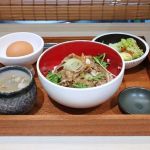 Don Japanese Restaurant Auckland: Discover Authentic Donburi Flavors
 What Makes Green Tea Japanese Restaurant Stand Out Among Japanese Restaurants
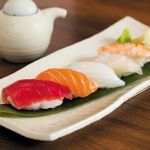 A Aki Japanese Restaurant: Where Tradition Meets Modern Japanese Dining
 Why Locals Recommend Kru Japanese Restaurant: A Hidden Gem for Authentic Japanese Cuisine
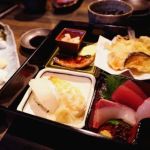 What to Eat at a Japanese Restaurant Besides Sushi