
- 1- Why Do Koreans Love Japanese Restaurants?
- 2- Cultural Influence and Culinary Appreciation
- 3- Similarities in Korean and Japanese Cuisine
- 4- The Popularity of Sushi and Ramen in Korea
- 5- Korean Adaptations of Japanese Dishes
- 6- Conclusion: The Ever-Growing Bond Between Korean and Japanese Food Cultures
1- Why Do Koreans Love Japanese Restaurants?
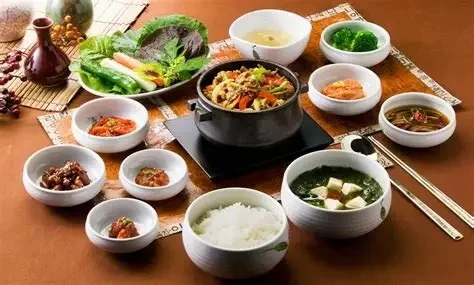
Many people often wonder, "Why do Koreans love Japanese restaurants?" The answer is rooted in cultural, historical, and culinary factors. Japan and Korea share deep-rooted historical ties, and the two countries’ cuisines have influenced each other over centuries. Despite differences in preparation and seasoning, both countries have a profound appreciation for fresh, high-quality ingredients, making Japanese restaurants extremely popular in Korea.
The global trend of Japanese food's rising popularity also plays a role in its widespread enjoyment in Korea. From sushi to ramen, Japanese dishes are not just exotic to Koreans; they are a delightful extension of familiar flavors with a unique twist. This love affair with Japanese food is also influenced by the rise of Japanese pop culture, including anime and manga, which highlights the appeal of Japanese culinary traditions.
2- Cultural Influence and Culinary Appreciation
The long-standing cultural exchange between Japan and Korea has contributed significantly to their culinary similarities. Both cultures highly value food presentation, and there is a shared focus on balance and harmony in flavors. The traditional Japanese concepts of "umami" and "shun" (eating foods at their seasonal best) align with Korea’s focus on seasonal ingredients and the appreciation for food quality.
This cultural overlap makes Japanese food accessible and appealing to the Korean palate. Additionally, the emphasis on communal dining in both cultures enhances the experience of enjoying dishes such as sushi, sashimi, and other shareable meals. It’s no wonder that Japanese restaurants are so popular in Korea—there’s a sense of familiarity combined with novelty that makes them an attractive choice for dining out.
3- Similarities in Korean and Japanese Cuisine
Though Korean and Japanese cuisines are distinct in their own right, there are surprising similarities that make Japanese food easily embraced by Koreans. Here are some key points of overlap:
- Rice-Based Meals: Both Korea and Japan are rice-centered cultures, with rice being a staple in almost every meal. The shared importance of rice has led to similar dishes like bibimbap and donburi (rice bowls).
- Fermented Foods: Fermentation plays a significant role in both cuisines. While Koreans have kimchi, the Japanese counterpart is miso, both being staples that provide depth of flavor to various dishes.
- Broth-Based Soups: Soups are common in both cuisines. In Korea, soups like kimchi jjigae and doenjang jjigae are enjoyed daily, while Japan has its own comforting broths such as miso soup and tonkotsu ramen.
4- The Popularity of Sushi and Ramen in Korea
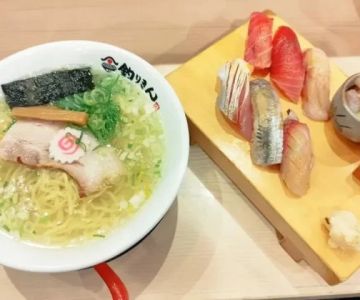
Sushi and ramen are undoubtedly the most popular Japanese dishes in Korea. Over the years, sushi bars and ramen shops have popped up across the country, each offering their own take on traditional Japanese dishes. Korean sushi, known as "gimbap," has its own distinctive flavor, but the advent of authentic sushi and its global appeal has made it a favorite among Koreans.
Ramen, with its rich, flavorful broths and comforting nature, also has a special place in the hearts of many Koreans. The introduction of ramen in Korea goes beyond the instant noodle variety; dedicated ramen restaurants offer a variety of regional styles such as tonkotsu and shoyu, enjoyed by those seeking the authentic Japanese ramen experience.
5- Korean Adaptations of Japanese Dishes
While Koreans enjoy authentic Japanese food, they also have a knack for adapting Japanese dishes to suit their own culinary preferences. Korean-inspired versions of Japanese dishes have become mainstream, particularly in Korea’s diverse dining scene. Here are some popular adaptations:
- Kimchi Sushi: A fusion of traditional sushi with the iconic Korean kimchi, creating a spicy and savory sushi roll.
- Spicy Ramen: While Japanese ramen is often mild, Korean versions tend to feature bold, spicy flavors, often incorporating gochujang (Korean chili paste) for extra heat.
- Japchae-Inspired Udon: Mixing Korean japchae (stir-fried glass noodles) with udon noodles results in a deliciously unique fusion dish loved by many.
6- Conclusion: The Ever-Growing Bond Between Korean and Japanese Food Cultures
The relationship between Korean and Japanese cuisines continues to flourish, with both cultures continually influencing each other. Whether it’s a simple sushi roll or a bowl of ramen, Koreans are increasingly exploring Japanese food while simultaneously adding their own twists to the dishes they adore.
This ongoing love for Japanese food in Korea shows how culinary traditions can cross borders and bring people together. As you explore the variety of Japanese dishes available in Korea, it’s clear that the bond between the two cultures is one of shared appreciation for good food and culinary creativity.
 Sushi Park4.0 (142 reviews)
 Tokyo Boys4.0 (401 reviews)
 Ohana Hut4.0 (140 reviews)
 Doza Sushi And Ramen4.0 (126 reviews)
 Sushi Gallery4.0 (156 reviews)
 Haya Sushi4.0 (1091 reviews)
 How Much in a Roll at a Japanese Restaurant? Portion Guide & Tips
 Do Any Japanese Restaurants Serve Breakfast? Discover What You Can Expect
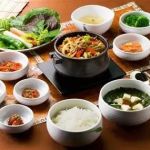 Why Do Koreans Love Japanese Restaurants? Discover the Culinary Bond
 The Complete Guide to Dining at Sapporo Japanese Restaurant
 Wasabi Japanese Restaurant: What Sets It Apart from Others | Best Japanese Food
 Why Locals Recommend Hokkaido Japanese Restaurants: A Taste of Authenticity