
- 1-Why-do-Koreans-Prefer-Japanese-Restaurants
- 2-Cultural-and-Culinary-Influences
- 3-Popularity-of-Japanese-Cuisine-in-Korea
- 4-Real-Life-Examples-and-Trends
- 5-How-to-Find-the-Best-Japanese-Restaurants
1. Why Do Koreans Prefer Japanese Restaurants?
The growing popularity of Japanese restaurants among Koreans is a fascinating phenomenon that blends cultural curiosity with culinary appreciation. But why do Koreans show such a strong preference for Japanese dining experiences? To answer this, it's important to consider the unique blend of flavors, presentation, and cultural connections that Japanese cuisine offers. This trend is not simply a passing fad; it reflects deeper shifts in Korean food culture where consumers seek diverse tastes and refined dining atmospheres.
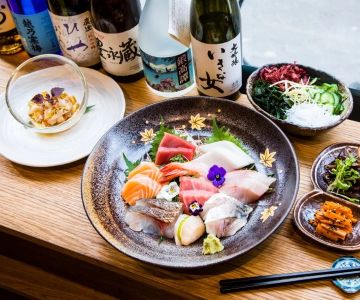
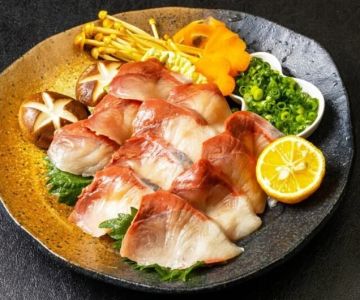
Japanese restaurants often emphasize fresh, high-quality ingredients and meticulous preparation methods, which resonate well with Korean consumers who value freshness and authenticity in their meals. Moreover, the visual appeal of dishes like sushi and sashimi adds an element of artistry that appeals to modern diners. This trend is supported by Korea’s increased exposure to global cuisines and the rising interest in culinary experiences that go beyond traditional Korean fare.
2. Cultural and Culinary Influences Shaping Preferences
The relationship between Korea and Japan extends beyond geography into shared historical and cultural influences, which subtly affect culinary preferences. Korean palates are familiar with certain flavors such as soy sauce, seaweed, and rice-based dishes, all staples in Japanese cuisine, which creates a natural affinity for Japanese food.
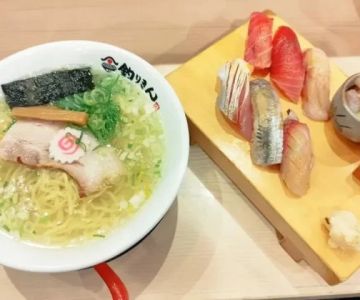
On a culinary level, the minimalist style of Japanese cooking offers a contrast to the often spicy and heavily seasoned Korean dishes. Many Koreans appreciate the balance and harmony found in Japanese meals, such as the umami-rich broths of ramen or the delicate flavors of tempura. This contrast offers variety and a fresh dining experience, catering to Koreans who seek both comfort and novelty in their food choices.
Furthermore, Japanese restaurants in Korea tend to provide a calm and elegant dining atmosphere that appeals to customers looking for more than just a meal—it's about the entire experience. This cultural approach to dining is gaining traction among younger Koreans who value aesthetics and ambiance.
3. Popularity of Japanese Cuisine in Korea: Trends and Growth
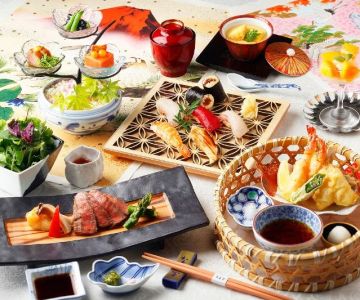
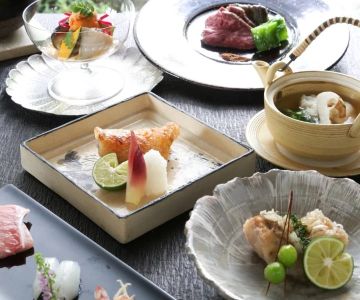
Over the past decade, the presence of Japanese restaurants has surged dramatically across South Korea. From small sushi bars in bustling city neighborhoods to upscale establishments serving Kaiseki cuisine, Japanese food has permeated all levels of the dining scene.
One notable trend is the rise of specialty Japanese eateries offering regional dishes, such as Hokkaido seafood or Osaka-style takoyaki, which help deepen Koreans' appreciation and knowledge of Japan's diverse food culture. This detailed focus attracts food enthusiasts and tourists alike, fostering a stronger connection between the two culinary traditions.
Social media and food bloggers have also played a significant role by showcasing unique Japanese dishes and dining experiences, influencing public interest and demand. Many Koreans actively seek authentic Japanese restaurants that serve genuine cuisine prepared by skilled chefs, making quality and authenticity key competitive factors in this market.
4. Real-Life Examples and Trends Reflecting Korean Interest in Japanese Cuisine
Consider the story of Mr. Kim, a Seoul-based food blogger who shares his experiences visiting Japanese restaurants. He notes that “the precision in sushi preparation and the freshness of ingredients make Japanese restaurants stand out among many dining options.” His reviews often highlight how Japanese dining introduces subtle flavors and textures that contrast with traditional Korean dishes, sparking curiosity and appreciation among his followers.
Another example comes from a recent viral trend where Korean celebrities showcased their favorite Japanese restaurants on variety shows, boosting public interest overnight. These endorsements have made Japanese cuisine more accessible and trendy, encouraging people to explore Japanese restaurants beyond sushi, such as izakayas and ramen shops.
Additionally, the expansion of Japanese food festivals and cooking classes in Korea has enabled more Koreans to experience Japanese cuisine hands-on, further fueling enthusiasm and understanding of its cultural significance.
5. How to Find the Best Japanese Restaurants in Korea
For those eager to explore Japanese cuisine in Korea, finding a trustworthy and high-quality restaurant can make all the difference. It’s recommended to look for places that prioritize authentic ingredients, offer a diverse menu, and maintain high hygiene standards. Word-of-mouth recommendations and trusted reviews can be invaluable in this process.
To save time and ensure a great experience, visiting Japanese Restaurant can be highly beneficial. The platform provides curated lists of the most reputable Japanese dining spots, from affordable sushi counters to elegant Kaiseki restaurants, making it easy to find the perfect match for any occasion.
Whether you're a casual diner curious about Japanese flavors or a foodie seeking authentic experiences, relying on expert recommendations helps navigate the variety of options and ensures memorable dining.
 Hashigo Sushi4.0 (283 reviews)
 FuGaKyu Japanese Cuisine4.0 (1434 reviews)
 Pepper Lunch4.0 (542 reviews)
 Mura Shabu Shabu3.0 (7 reviews)
 Osaka Ramen and Sushi4.0 (297 reviews)
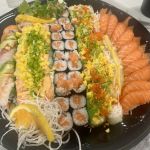 Koja Sushi4.0 (496 reviews)
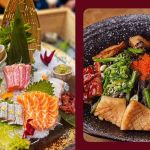 Why Restaurant Japanese Is a Must-Try Spot for Japanese Food Lovers
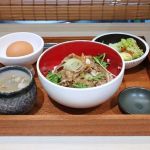 Don Japanese Restaurant Auckland: Discover Authentic Donburi Flavors
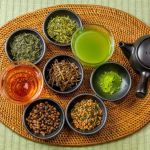 What Makes Green Tea Japanese Restaurant Stand Out Among Japanese Restaurants
 A Aki Japanese Restaurant: Where Tradition Meets Modern Japanese Dining
 Why Locals Recommend Kru Japanese Restaurant: A Hidden Gem for Authentic Japanese Cuisine
 What to Eat at a Japanese Restaurant Besides Sushi