
- what-makes-a-japanese-restaurant-authentic
- essential-dishes-you-should-try
- how-atmosphere-defines-the-experience
- sushi-is-just-the-beginning
- a-japanese-restaurant-in-the-modern-world
- find-your-perfect-spot-on-japanese-restaurant
1. What Makes a Japanese Restaurant Authentic?
Authenticity in a Japanese restaurant isn’t just about having sushi on the menu or kimonos on the staff. It’s in the details: from the quality of rice used to the subtle balance of umami in miso soup. Traditional preparation techniques and seasonal ingredients are key signs of an establishment that respects Japanese culinary heritage.
Chef Kenta Watanabe of a renowned Tokyo-based restaurant once said, “It’s not about how much you serve, but how deeply you respect the ingredient.” That’s the ethos many authentic Japanese restaurants follow around the world.
2. Essential Dishes You Should Try
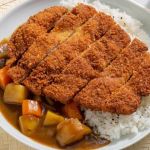
While sushi and sashimi are globally known, there’s a wide spectrum of Japanese cuisine that often goes unnoticed. Tempura, a lightly battered and deep-fried delight, is a must. So is tonkatsu, a crispy pork cutlet that’s comforting and hearty.
Don’t miss out on chawanmushi (a savory egg custard), or unagi don (grilled eel over rice), which offers rich, smoky flavors. Many first-timers are surprised by how much variety exists in a single authentic menu.
3. How Atmosphere Defines the Experience
Walking into a Japanese restaurant should feel like entering a serene retreat. Whether it’s tatami mats, low lighting, or soft instrumental music, ambiance plays a critical role in how food is perceived. Some restaurants even offer private dining rooms or traditional horigotatsu seating (a low table with a recessed floor).
At the famous Kyoto-based eatery Yudofu Sagano, guests dine overlooking a Zen garden—reminding us that in Japan, the setting is part of the meal.
4. Sushi Is Just the Beginning
Many diners equate Japanese cuisine solely with sushi, but the culinary landscape is much broader. Ramen shops, izakayas (Japanese pubs), yakitori grills, and kaiseki restaurants (multi-course fine dining) all offer diverse, flavorful experiences.
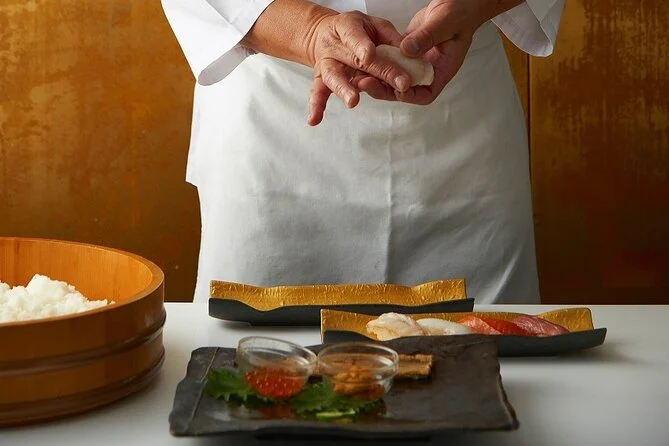
One rising trend is omakase—where the chef selects the menu based on fresh, seasonal items. It’s a deeply personalized meal that builds trust between diner and chef.
5. A Japanese Restaurant in the Modern World
Today’s Japanese restaurants blend tradition with innovation. While preserving classic dishes, many now include fusion elements or modern plating styles. The goal? To honor the past while appealing to the evolving tastes of global diners.
Social media has made Japanese food more accessible, but also more competitive. For this reason, restaurants now strive to offer both visual appeal and exceptional taste.
6. Find Your Perfect Spot on Japanese Restaurant
Whether you’re searching for a quiet corner to enjoy soba noodles or a vibrant sushi bar that serves omakase with flair, Japanese Restaurant helps you discover top-rated places, user reviews, and hidden gems in your area.
Explore menus, photos, and expert recommendations tailored to your preferences—because finding the right Japanese restaurant should feel just as special as the meal itself.
 Bomdama Shabu Shabu Hot Pot (봄담아 샤브샤브)4.0 (129 reviews)
 Sushi Sake Sunset4.0 (904 reviews)
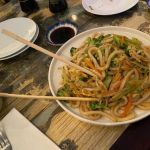 Mizu Japanese Cuisine4.0 (263 reviews)
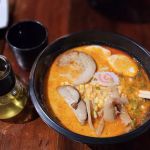 Gu Ramen Long Beach Taps & Tapas4.0 (331 reviews)
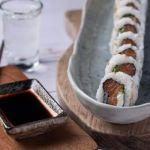 Sushi Song - Pembroke Pines4.0 (110 reviews)
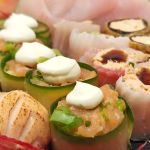 Sugoi Restaurant4.0 (346 reviews)
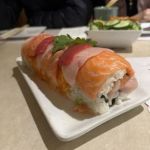 An Insider’s Review of Akasaka Sushi Korean Japanese Restaurant
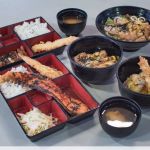 Is Zen Japanese Food Fast a Fast Food Restaurant or Something More?
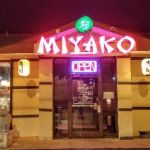 Why Miyako Japanese Restaurant Is a Must-Try Spot for Japanese Food Lovers
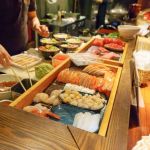 What Restaurants in Tokyo Are Japanese Only and How to Dine There
 A Foodie’s Experience at a Japanese Curry Restaurant – A Journey of Flavor
 What is Hot Pot Japanese Restaurant? Discover the Unique Dining Experience