
Do All Japanese Sushi Restaurants Use Ikejime? Exploring the Technique and Its Impact on Sushi Quality
- 1-What is Ikejime?
- 2-Why is Ikejime Important for Sushi?
- 3-Do All Japanese Sushi Restaurants Use Ikejime?
- 4-Real-Life Case Study: The Difference Ikejime Makes
1. What is Ikejime?
Ikejime is a traditional Japanese method of preparing fish for consumption, especially in sushi restaurants. This technique involves humanely stunning the fish and quickly killing it to preserve its freshness and flavor. The process includes inserting a spike into the fish's brain to ensure its nervous system is shut down immediately, preventing rigor mortis and the build-up of lactic acid in the muscles, which can affect the texture and flavor of the fish.
By using ikejime, sushi chefs can ensure that the fish maintains its natural sweetness, smooth texture, and vibrant color, which are essential for high-quality sushi.
2. Why is Ikejime Important for Sushi?
2.1. Enhanced Flavor and Texture
One of the key reasons sushi chefs use ikejime is to improve the quality of the fish's flesh. When fish are killed using methods like ikejime, the fish muscles don’t undergo the stress and lactic acid build-up that can occur with other killing methods. This leads to a smoother texture and a more delicate flavor, making the sushi experience more enjoyable for diners.
2.2. Increased Freshness
Unlike fish that are simply caught and stored, ikejime ensures that the fish is in its freshest state when it is prepared. The rapid death of the fish and its quick processing means that there is minimal degradation of the fish's quality, leading to a product that tastes fresher and is safer to eat.
2.3. Ethical Considerations
Ikejime is considered a more humane way of preparing fish, as it reduces the suffering of the animal. In Japan, where sushi is an integral part of the culture, using ikejime is seen as a way to honor the fish and the art of sushi making.
3. Do All Japanese Sushi Restaurants Use Ikejime?
Not all Japanese sushi restaurants use the ikejime technique, despite its benefits. The decision to use ikejime depends on several factors, including the type of sushi restaurant, the cost of fish, and the philosophy of the restaurant’s chefs.
3.1. High-End Sushi Restaurants
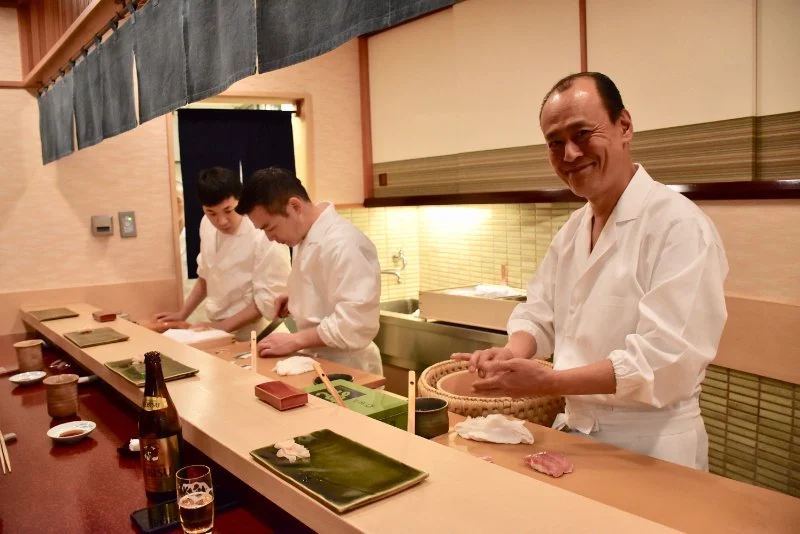
Many high-end sushi restaurants, particularly those focused on omakase dining, prioritize the use of ikejime. These restaurants often source fish from reputable suppliers who use the technique, and they are committed to providing the freshest and most flavorful sushi to their customers. In these establishments, using ikejime is considered an essential part of delivering top-tier quality.
3.2. Mid-Range and Casual Sushi Spots
However, not all sushi restaurants, especially mid-range and casual establishments, employ ikejime. These restaurants may not have the same level of access to high-quality fish or may choose alternative methods for preparing their fish that are less costly. While they may still provide delicious sushi, the absence of ikejime could result in a less refined texture or flavor compared to more exclusive sushi bars.
3.3. Regional and Cultural Differences
Additionally, there can be regional or cultural differences in the use of ikejime. In some areas of Japan, especially those with less access to fresh seafood or a less established sushi culture, ikejime might not be as common. While it is a widely respected practice, it is not universally adopted across all sushi establishments.
4. Real-Life Case Study: The Difference Ikejime Makes
To understand the impact of ikejime, let’s take a look at a real-life example. A sushi chef in Tokyo’s Tsukiji market shared that when using fish prepared with ikejime, the texture of the fish was noticeably different. Customers could taste the difference in the sweetness and the overall freshness of the sushi. In one instance, a local diner was able to discern that the fish had been treated with ikejime simply by its smooth, buttery texture and delicate flavor.
For restaurants that want to elevate the quality of their offerings, using fish prepared with ikejime can be a game-changer. If you’re looking for the finest sushi experience, consider visiting a restaurant that emphasizes the use of this technique for its fish preparation.
If you're interested in exploring the finest sushi products or need recommendations for sushi restaurants that prioritize quality, check out Japanese Restaurant for expert suggestions and top-rated services.
 Ultra Sushi3.0 (313 reviews)
 Orion Sushi4.0 (515 reviews)
 Sushi & Poke House4.0 (387 reviews)
 Ramen Yamadaya4.0 (754 reviews)
 OKYTO_ HIBACHI EXPRESS4.0 (306 reviews)
 Misono Sushi & Asian Bistro4.0 (1187 reviews)
 Do All Japanese Sushi Restaurants Use Ikejime? Exploring the Technique and Its Impact on Sushi Quality
 The Complete Guide to Dining at Sake Japanese Restaurant | Experience Authentic Japanese Cuisine
 Why Umi Japanese Restaurant Is a Must-Try Spot for Japanese Food Lovers
 Exploring the Menu at Inaba Japanese Restaurant
 De Fune Japanese Restaurant in Marylebone London – A True Culinary Gem
 A Foodie’s Experience at Nagoya Japanese Restaurant – A Journey Through Authentic Flavors