
- understanding-the-role-of-matradis
- do-they-have-matradis-at-japanese-restaurants
- what-makes-service-unique-in-japanese-restaurants
- stories-from-real-dining-experiences
- exploring-japanese-service-at-japanese-restaurant
1. Understanding the Role of Maître d’s in Fine Dining
The term "maître d'" comes from the French "maître d'hôtel," traditionally the head of service in fine restaurants. A maître d’ oversees guest seating, manages reservations, coordinates the dining room flow, and often sets the tone for guest experience. Think of them as the first impression and ultimate hospitality ambassador. But is this role universally adopted in global culinary cultures?
2. Do They Have Maître d’s at Japanese Restaurants?
2.1 Traditional vs. Westernized Practices
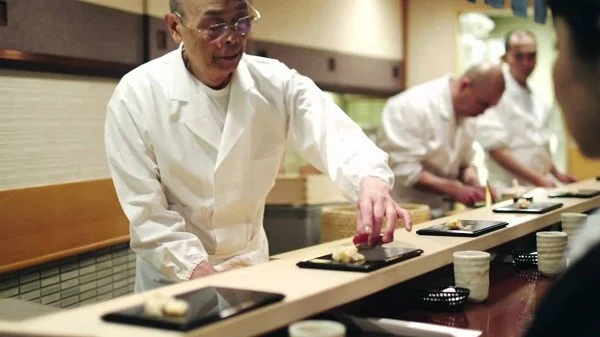
When you walk into a high-end French or Italian restaurant in the U.S., you're likely to be greeted by a maître d’. However, when it comes to Japanese restaurants—especially those rooted in tradition—the role takes a different shape. While Japanese restaurants may not explicitly use the term "maître d’," the function is often present under a different title or form, such as the okami-san (female manager or hostess) in ryotei (traditional Japanese inns), or a senior staff member greeting guests at omakase counters.
2.2 Cultural Service Norms
Japanese dining culture places strong emphasis on hospitality, or “omotenashi.” This is a deep-rooted concept of anticipating the needs of guests without being asked, often executed quietly and respectfully. So while you might not see someone in a tuxedo at the front door, someone is always attentively managing the guest experience. In some modern Japanese fusion restaurants in the U.S., a maître d’ title may be adopted to align with American expectations, but this is more about branding than tradition.
3. What Makes Service Unique in Japanese Restaurants
3.1 Hierarchy and Team Roles
In Japanese culinary settings, every staff member—from the sushi chef to the hostess—contributes to an orchestrated service experience. In upscale kaiseki dining, for example, servers move with purposeful choreography, while chefs may personally greet or thank guests depending on the establishment’s intimacy. Rather than relying on a single maître d’, the team acts collectively to embody that role.
3.2 Guest Engagement
Unlike Western maître d’s who might check on your table several times, Japanese service tends to be less interruptive. You won’t hear “How’s everything tasting?” every few minutes. Instead, discreet observation allows staff to intervene only when necessary, which many patrons find refreshingly peaceful.
4. Stories from Real Dining Experiences
Michael, a food blogger from San Francisco, visited a Michelin-starred kaiseki restaurant in Kyoto and was surprised when the chef himself greeted him at the entrance. “There was no maître d’,” he recalled, “but the chef and staff created an experience that was even more personal and refined.”
Similarly, Jessica from NYC dined at a high-end sushi spot in Los Angeles and noticed that the general manager played the maître d’ role in practice. “She checked our reservation, explained the omakase flow, and even remembered my shellfish allergy from a prior visit,” Jessica said. “It wasn’t called a maître d’, but it sure felt like one.”
5. Exploring Japanese Service at Japanese Restaurant
If you’re curious to experience traditional Japanese hospitality firsthand, you can explore establishments listed on Japanese Restaurant. Whether you’re looking for serene Kyoto-style tea house experiences, high-end omakase, or modern Japanese bistros that bridge East and West, the right venue will offer service that embodies the essence of the maître d’—even if it doesn’t go by that name.
In the end, the question isn’t just “do they have maître d’s at Japanese restaurants,” but rather, “how do Japanese restaurants deliver world-class service in their own unique way?” The answer lies in cultural respect, precision, and a quiet sense of care that defines Japanese hospitality worldwide.
 Matsuri Restaurant4.0 (363 reviews)
 Ichiban Bistro4.0 (224 reviews)
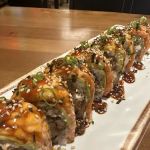 Mori Sushi & Bento4.0 (568 reviews)
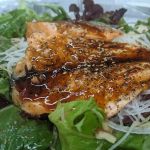 ROLL SPOT sushi & desserts Tokyo Haus Sushi & Grill4.0 (89 reviews)
 Ai-Sakae Asian Cuisine4.0 (189 reviews)
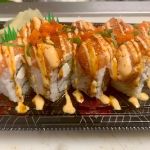 Oshiki Japan (Quail Springs Mall)3.0 (43 reviews)
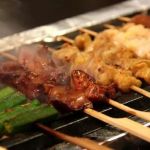 Why Locals Recommend Asaka Japanese Restaurant
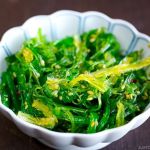 How to Make Japanese Restaurant Seaweed Salad at Home
 How to Eat Octopus in a Japanese Restaurant Like a Local
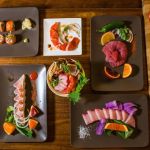 Top Dishes You Should Order at Hiro Japanese Restaurant
 Why Locals Recommend Sarku Japanese Restaurant | Japanese Restaurant
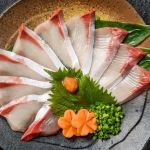 What Makes Yellowtail Japanese Restaurant Stand Out Among Japanese Restaurants