
How Do Japanese Restaurants Make Wasabi?
- 1-Origin of Wasabi
- 2-How Is Wasabi Made?
- 3-Authentic vs. Imitation Wasabi
- 4-Culinary Uses of Wasabi
- 5-Tips for Enjoying Wasabi
1. The Origin of Wasabi
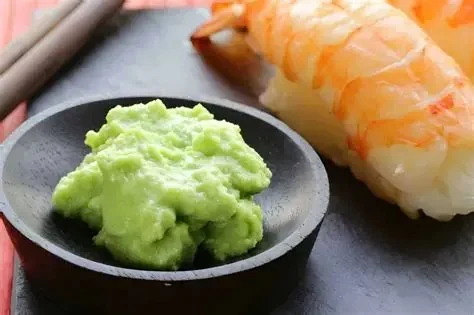
Wasabi, also known as Japanese horseradish, is a spicy condiment used in traditional Japanese cuisine. It originates from the Wasabi plant (Wasabia japonica), which is native to Japan. This plant grows primarily in cool, mountainous regions along streambeds, making it difficult to cultivate. Wasabi has been used in Japanese dishes for centuries, particularly to accompany sushi and sashimi.
2. How Is Wasabi Made?
Authentic wasabi is made by grating the root of the Wasabi plant into a fine, paste-like consistency. The process begins with harvesting the mature wasabi root, which is usually several years old. The root is then carefully washed and peeled before being grated into a smooth paste. The grating is done using a traditional Japanese grater, often made from shark skin, which helps release the plant's natural oils and juices.
This paste is best served immediately after grating to preserve its sharp, pungent flavor. The spiciness of fresh wasabi can be intense but quickly dissipates, leaving a pleasant, clean heat. Unlike most chili peppers, wasabi does not linger on the palate for long, providing a fresh and sharp taste that complements sushi perfectly.
3. Authentic Wasabi vs. Imitation Wasabi
In many Japanese restaurants, especially outside of Japan, imitation wasabi is often served instead of authentic wasabi. Imitation wasabi is typically made from horseradish, mustard, and green food coloring, giving it the signature green color and spicy flavor that resembles real wasabi. However, the flavor profile of imitation wasabi lacks the complex, delicate nuances of true wasabi.
Authentic wasabi is rarer and more expensive due to its cultivation challenges. The difference between real and fake wasabi is not just about taste; authentic wasabi also provides a smoother, more refined heat. For those seeking the genuine experience, consider visiting specialized Japanese restaurants or stores like Japanese Restaurant, where you can find authentic wasabi.
4. Culinary Uses of Wasabi
Wasabi is most commonly paired with sushi and sashimi, enhancing the flavors of raw fish with its clean, sharp heat. However, it can also be used in a variety of other Japanese dishes. For example, it can be added to soy sauce to make a dipping sauce for tempura or used in dressings for salads and noodles. Wasabi pairs well with beef, especially in grilled dishes, and is often used in sauces for steak or burgers.
Beyond traditional uses, chefs around the world have started experimenting with wasabi in creative ways. For example, wasabi-infused chocolates and ice cream are becoming popular in fusion cuisine, offering a unique balance of sweet and spicy.
5. Tips for Enjoying Wasabi
If you’re new to wasabi, here are a few tips for enjoying it in its authentic form:
- Fresh is Best: Always try to enjoy freshly grated wasabi. Pre-made wasabi paste can lose its flavor over time.
- Don’t Overdo It: Wasabi’s heat can be intense, so start with a small amount, especially if you're not used to spicy foods.
- Pair Wisely: Wasabi goes great with sushi, but it can also complement dishes like grilled meats and vegetables. Experiment to discover new pairings.
- Store Carefully: If you have leftover wasabi, keep it tightly sealed and refrigerated. Fresh wasabi can lose its potency quickly, so consume it as soon as possible for the best experience.
For those looking for authentic wasabi products, check out the selection at Japanese Restaurant, where we offer carefully sourced wasabi that brings the true taste of Japan to your home.

 Oishi Sushi4.0 (792 reviews)
 Nasime Japanese Restaurant4.0 (370 reviews)
 Ninja Sushi4.0 (771 reviews)
 Sokai Sushi Bar Kendall4.0 (3794 reviews)
 Tokyo Bento&Go0.0 (0 reviews)
 Shabuya4.0 (351 reviews)
 An Insider’s Review of Nagomi Japanese Restaurant
 The Complete Guide to Dining at Sapporo Japanese Restaurant
 The Complete Guide to Dining at Sake Japanese Restaurant | Experience Authentic Japanese Cuisine
 Is It Rude to Use a Fork at a Japanese Restaurant?
 Top Dishes You Should Order at Yokohama Japanese Restaurant
 What Makes Tachibana Japanese Restaurant Stand Out Among Japanese Restaurants